>>
Technology>>
It service>>
Google Maps Update Sparks Cont...Google Maps Update Sparks Controversy with Gulf of Mexico Renaming to Gulf of America Proposal
The Silicon Review
28 January, 2025
Author:
The Silicon Review Team
Google’s decision to rename the Gulf of Mexico as the "Gulf of America" in its Maps app, following government updates, has ignited debates about geographic labeling and digital accountability.
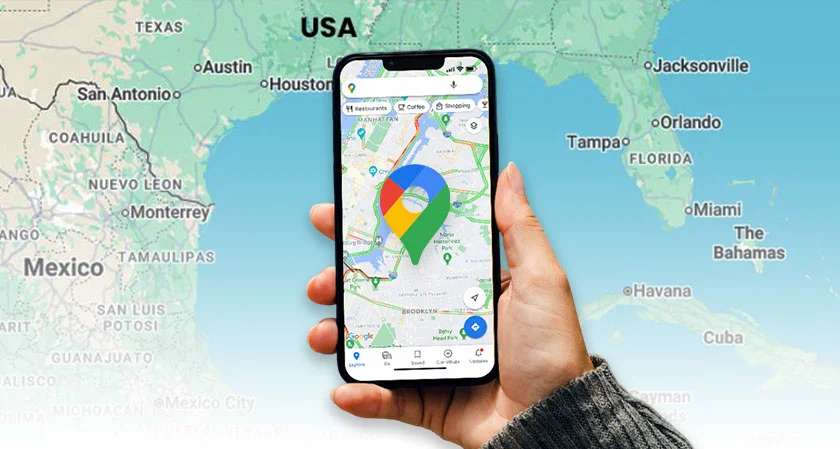
In a move that has sparked significant attention, Google Maps is set to update the Gulf of Mexico's designation to the "Gulf of America," aligning with recent governmental nomenclature changes. The update, reportedly intended to reflect evolving geopolitical and cultural narratives, has raised questions among businesses, policymakers, and the general public about the implications of such digital transformations. Industry insiders note that geographic labeling changes in widely-used platforms like Google Maps can carry broad-reaching consequences. For sectors such as defense technology, logistics, and maritime operations, even subtle alterations in digital cartography could immensely impact navigation systems, critical operational protocols, and legal frameworks tied to international waters.
Critics argue that such a renaming risks eroding historical and cultural ties, diminishing long-standing regional identities, and sparking diplomatic sensitivities, while supporters suggest it underscores a shift toward nationalistic branding in global platforms, emphasizing sovereignty and digital influence. Technology leaders are being urged to assess the strategic, operational, and reputational impacts of this development, including its implications for international relations and corporate accountability in an increasingly interconnected digital landscape.
For organizations heavily reliant on accurate geospatial data, experts recommend immediate steps to evaluate the potential operational risks posed by this update. Conducting audits of systems dependent on digital maps, exploring alternative geospatial services, and ensuring compliance with any associated legal shifts are essential measures to mitigate disruptions. As Google finalizes the update, stakeholders across industries are closely monitoring the broader implications of this decision on digital accountability, cultural representation, and the future of map-based applications.