 United States
  Canada
  United Kingdom
  Europe
  Africa
  Middle East
  Asia
Asia  China
China  Australia










BREAKING NEWS
Switch Edition:
RECENT NEWS

Nvidia Pledges $250 Million to Boost UK AI Safety Research
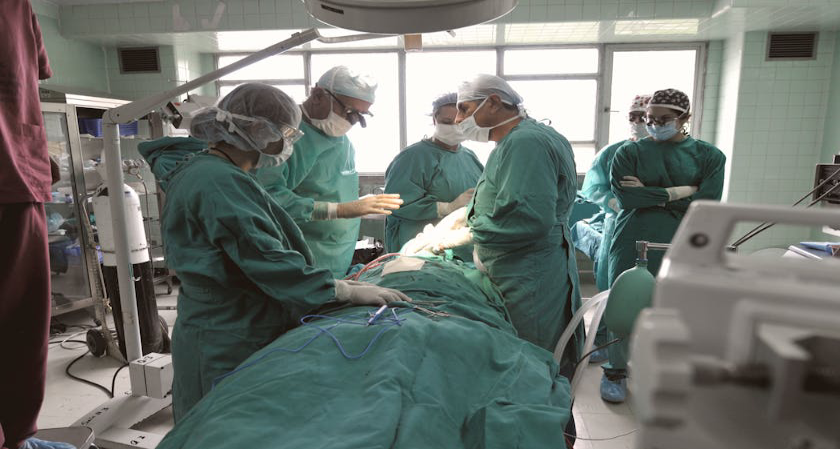
Nvidia will invest $250 million in UK AI safety research over five years, establishing a new lab in Cambridge and partnering with the UK AI Safety Institute and the Alan Turing Institute. News source: Google / https://www.channelnewsasia.com/ Nvidia has committed $250 million to artificial intelligence safety research in the United Kingdom, marking one of the largest private investments in AI safety to date. The funding will be spread over five years and includes the establishment of a new research lab in Cambridge, according to the company's announcement on Wednesday, October 14, 2026. "AI safety is not a constraint on innovation it is a prerequisite for it. This investment reflects our belief that the UK's research ecosystem is uniquely positioned to lead in this field," said a senior Nvidia executive. The Cambridge Lab The new lab will focus on the technical foundations of AI safety, including interpretability, robustness, and alignment. It will employ approximately 100 researchers within three years, working alongside academic partners. Partnerships with UK Institutions Nvidia will partner with the UK AI Safety Institute, the government body established in 2023 to evalua...
Featured Articles
MAGAZINES
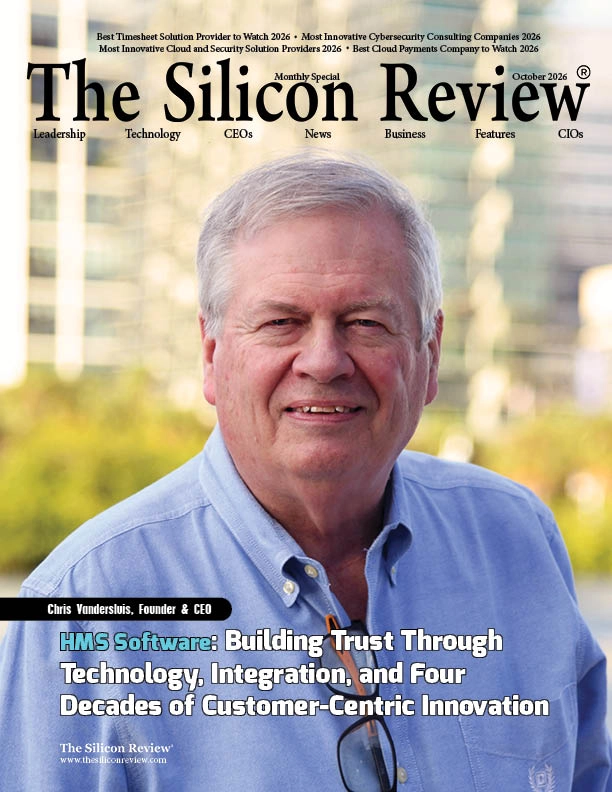
OCTOBER MONTHLY SPECIAL 2026
Discover the October Monthly Special 2026 featuring inspiring leaders, innovative companies, business insights, industry trends, and stories shaping the glob...




OCTOBER EDITION 2026
Explore the October Edition featuring inspiring leaders, business insights, industry trends, innovative companies, and the latest stories shaping the busines...