 United States
  Canada
  United Kingdom
  Europe
  Africa
  Middle East
  Asia
Asia  China
China  Australia














BREAKING NEWS
Switch Edition:
RECENT NEWS
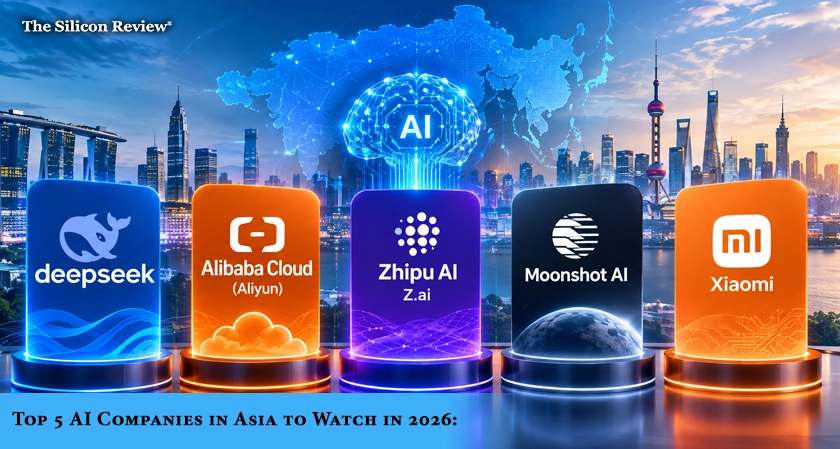
Top 5 AI Companies in Asia 2026: The Silicon Review’s Pick
Today Artificial Intelligence (AI) has become an essential part of our lives, from the way we communicate our thoughts to the way we look for information, and our workflow also heavily depends on AI. While the global AI market is ruled by US AI companies like OpenAI, Anthropic, and Google, but there are companies that are ruling the Asian market. The Silicon Review’s guide to Top 5 AI Companies in Asia 2026 will show you exactly why these Asian companies are challenging the global AI leaders in 2026. How The Silicon Review Selected These Top 5 AI Companies in Asia 2026 To establish an unbiased, credible and precision-oriented list of the Top 5 AI Companies in Asia 2026. The Silicon Review ranked as the No. 1 digital magazine in the world 2026 did a thorough research around the market based on five factors; Algorithmic Core - LMSYS Elo Benchmark, SWE-bench, GPQA Diamond and MMLU-Pro Benchmark Token Economics - Cost Per Token, Weekly Traffic Linguistic Architecture - Multi Dialect Parsing, Low-Latency Voice Compute Resilience - Alternative Hardware/Silicon Optimization Edge Integration & Hardware to Cloud Density - On-device Footprint, loT Integration We review...
Featured Articles
MAGAZINES
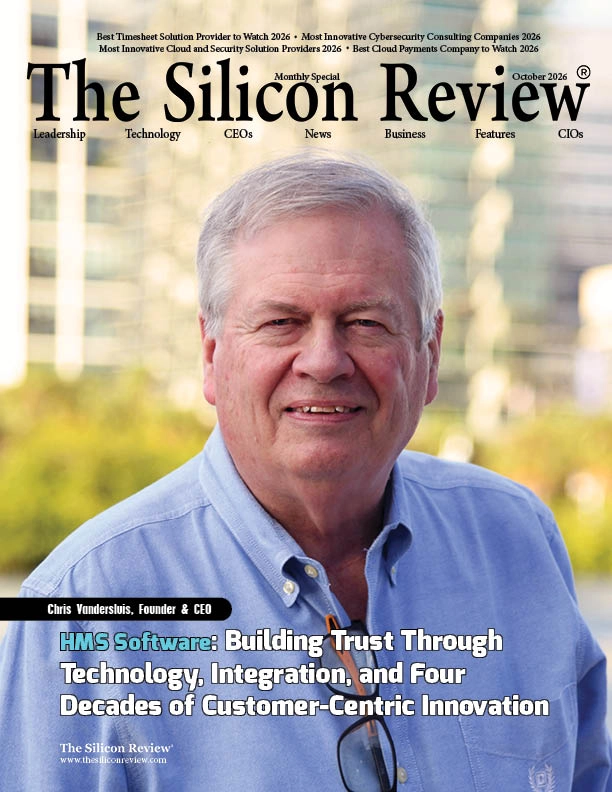
OCTOBER MONTHLY SPECIAL 2026
Discover the October Monthly Special 2026 featuring inspiring leaders, innovative companies, business insights, industry trends, and stories shaping the glob...




OCTOBER EDITION 2026
Explore the October Edition featuring inspiring leaders, business insights, industry trends, innovative companies, and the latest stories shaping the busines...