 United States
  Canada
  United Kingdom
  Europe
  Africa
  Middle East
  Asia
Asia  China
China  Australia







BREAKING NEWS
Switch Edition:
RECENT NEWS
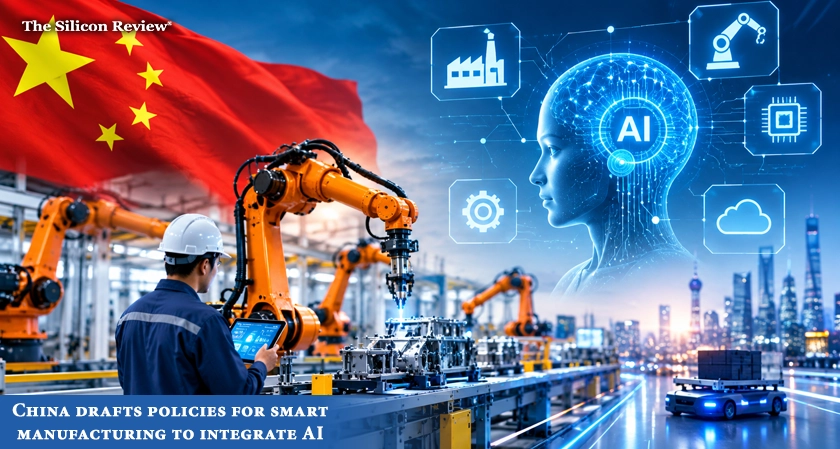
China drafts policies for smart manufacturing to deeply integrate AI
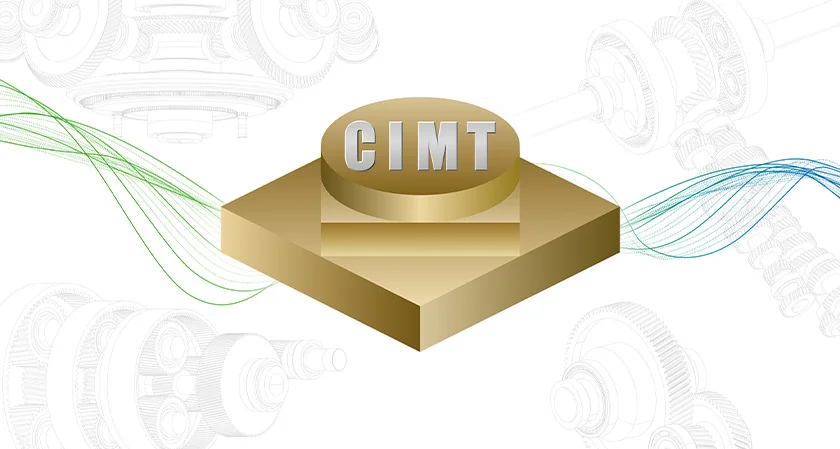
In order to fully integrate artificial intelligence (AI) into the nation's whole industrial sector, China's Ministry of Industry and Information Technology (MIIT) has said that it is coming up with new policies for next-generation smart manufacturing. News Source: https://english.news.cn/ In order to integrate artificial intelligence (AI) into its vast industrial sector, the Chinese government has planned a broad legislative and policy drive. The Ministry of Industry and Information Technology (MIIT) claims that the new framework would focus on the whole manufacturing chain with the goal of drastically reducing operating costs, maximizing factory floor productivity, and quickly responding to shifting consumer market demands. China is putting into practice a tiered upgrading strategy under the new blueprint. While top-tier flagship plants are responsible for developing next-generation industrial systems, basic and intermediate factories will concentrate on growing basic digital architecture. The development of highly specialized industrial AI agents, automated robotics, precise inspection equipment, and advanced machine tools will receive direct state backing. An existing s...
Featured Articles
MAGAZINES

OCTOBER SPECIAL 2026
Explore the October Special 2026 featuring inspiring leaders, innovative companies, business insights, and emerging industry trends shaping the global busine...


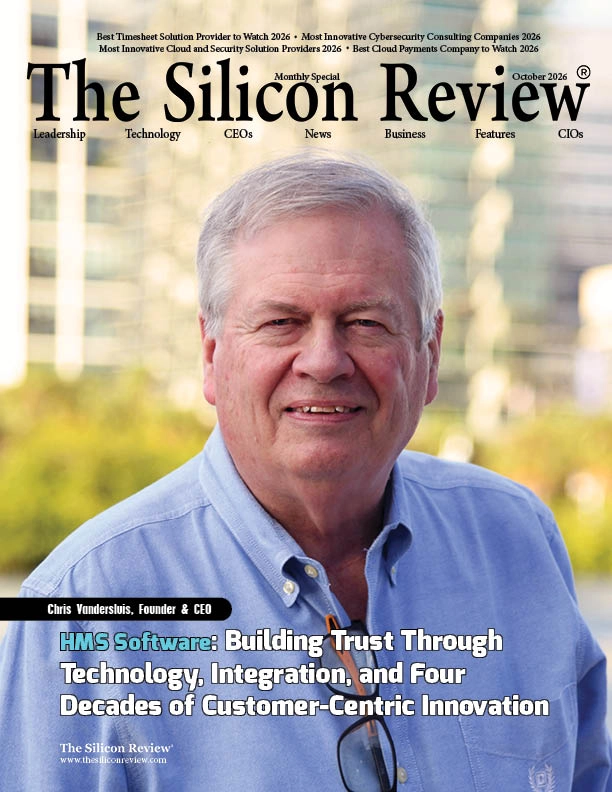
OCTOBER MONTHLY SPECIAL 2026
Discover the October Monthly Special 2026 featuring inspiring leaders, innovative companies, business insights, industry trends, and stories shaping the glob...




-Recovered-Recovered-Recovered_2026-07-24_07-57-21.webp)
_2026-07-24_08-43-51.webp)