>>
Technology>>
Security>>
Open Source AI: If Security Co...Open Source AI: If Security Controls Growth Is Innovation Losing Its Freedom?
-Recovered-Recovered-Recovered_2026-07-24_07-57-21.webp)
The open source AI race is entering a controversial new era as global powers demand stronger security controls. But is this protecting AI technology or quietly limiting the freedom that built it?
The open source AI race is entering a new battlefield as global powers push for innovation with stronger security rules. The U.S., China, and APEC economies are reshaping the future of AI technology. But is protection becoming another form of control?
The Chengdu statement, released during APEC Digital Weeks, called for support of open-source AI models while emphasizing cybersecurity, data protection, and intellectual property rights. The agreement signals a new reality: the world wants faster AI progress, but governments increasingly want a stronger hand in deciding how that progress happens.
But if open access created AI innovation, why is control becoming the new priority?
Open-source AI models allow developers, researchers, and companies to download, modify, and improve artificial intelligence systems. Supporters argue that this approach fuels competition, helps startups challenge technology giants, and prevents AI power from staying with only a few companies.
However, governments are raising concerns about security threats, misuse, and the risks of powerful models spreading without proper safeguards. The result is a growing tension between AI freedom and AI regulation.
Is security becoming a reason to protect people or a reason to control technology?
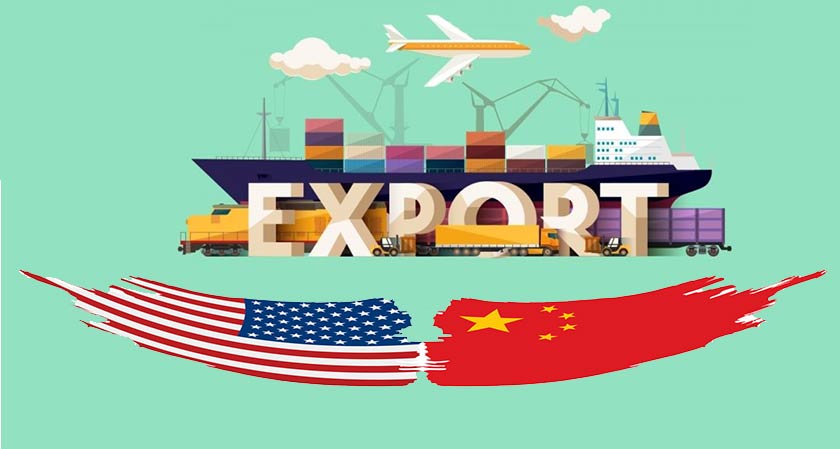
China has strengthened its position in open-source AI through freely available models from companies such as DeepSeek, while many U.S. companies continue developing closed AI systems with limited access. The divide highlights a bigger battle over who will shape the next generation of artificial intelligence.
“We need trusted encryption to ensure the security of our entire financial system” said Janet De Silva, chair of the APEC.
The APEC agreement marks one of the first major international efforts to recognize open-source AI cooperation at a ministerial level. Leaders also emphasized collaboration between governments, private companies, and researchers to address cybersecurity, supply chain risks, and online fraud.
The latest development exposes a major contradiction in the open source movement. Governments want AI systems that are more powerful, accessible, and innovative, yet they also want tighter control over how those systems evolve. If openness is the engine of AI progress, how much restriction can the ecosystem absorb before innovation slows?
The future of open source AI will depend on balancing freedom with security. The Silicon Review asks if governments truly want faster innovation, why are they tightening control over the very systems driving progress?
FAQ:
Q: What is open source AI?
A: Open source AI refers to artificial intelligence models that allow developers and researchers to access, modify, and improve the technology openly.
Q: Why is open source important for AI technology?
A: Open source development helps accelerate AI technology innovation by encouraging collaboration, competition, and wider access beyond major technology companies.
Q: Why are governments adding security rules to open source AI?
A: Governments want stronger safeguards for AI technology to reduce risks related to cybersecurity, data protection, misuse, and digital threats.
Q: How are the U.S. and China competing in open source AI?
A: The U.S. and China are competing to lead AI technology development, with China expanding open-source models while many U.S. firms focus on closed AI systems.
Q: What did the APEC AI statement focus on?
A: The APEC statement supported open source AI development while emphasizing security assurance, intellectual property protection, and responsible AI deployment.
Q: Can open source AI and security work together?
A: Yes. Experts believe open source AI can continue growing if innovation is balanced with transparency, testing, and strong security measures.

















Comments