 United States
  Canada
  United Kingdom
  Europe
  Africa
  Middle East
  Asia
Asia  China
China  Australia











BREAKING NEWS
Switch Edition:
RECENT NEWS
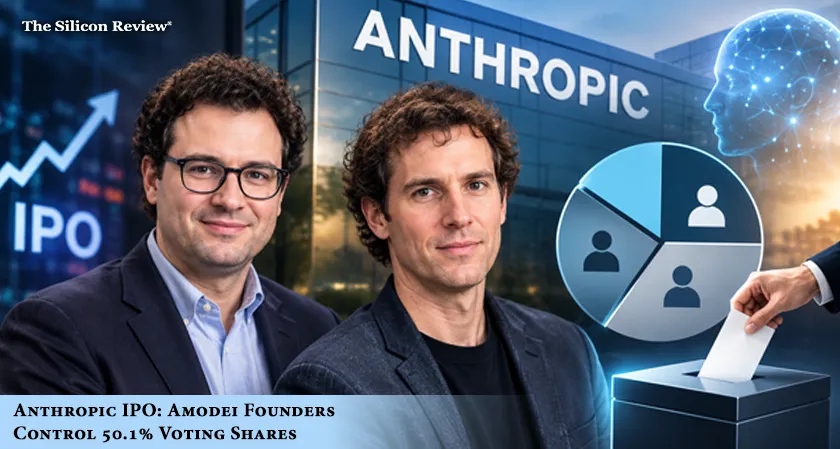
Anthropic IPO: How the Amodei Siblings and Co-Founders Control Voting Shares
Anthropic has filed for its IPO with a Founder LLC structure that gives seven co-founders, including CEO Dario Amodei and his sister Daniela, collective control of 50.1% of voting power, even though Dario owns only about 2% of the company. News source: Google / https://www.cnbc.com/world/ Anthropic has filed its S-1 with the US Securities and Exchange Commission, revealing a governance structure designed to keep its founders in control long after public shareholders come in. The filing shows that the seven co-founders, including CEO Dario Amodei and President Daniela Amodei, will hold 50.1% of voting power through a newly created entity called the Founder LLC. The arrangement is unusual because Dario Amodei owns only about 2% of the company, one of the smallest stakes for a founder-CEO taking a company public in recent decades. The seven co-founders split ownership roughly evenly, which leaves each with a modest economic slice. The Founder LLC’s single Class F share carries 50.1% of the vote on major corporate matters, including the election of some board members. The structure mirrors Palantir’s founder-control model. It requires at least three of the seven f...
Featured Articles
MAGAZINES
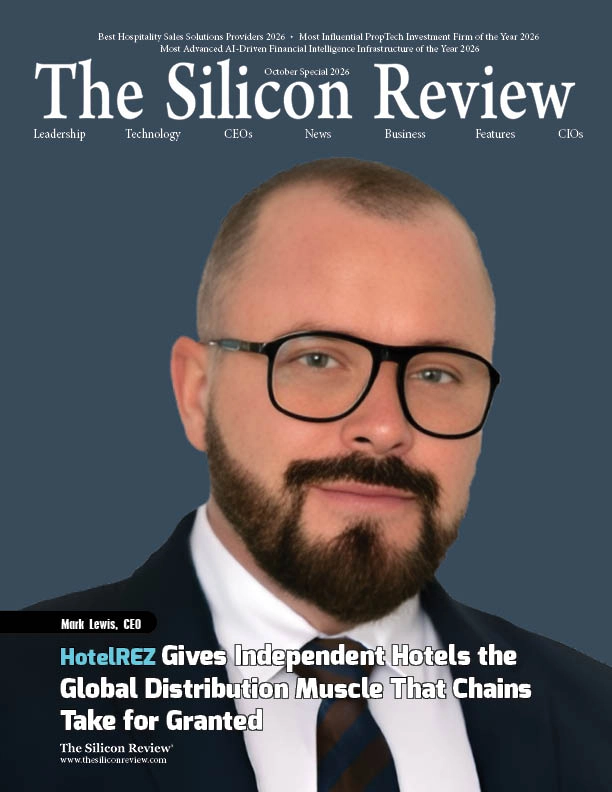
OCTOBER SPECIAL 2026
Explore the October Special 2026 featuring inspiring leaders, innovative companies, business insights, and emerging industry trends shaping the global busine...



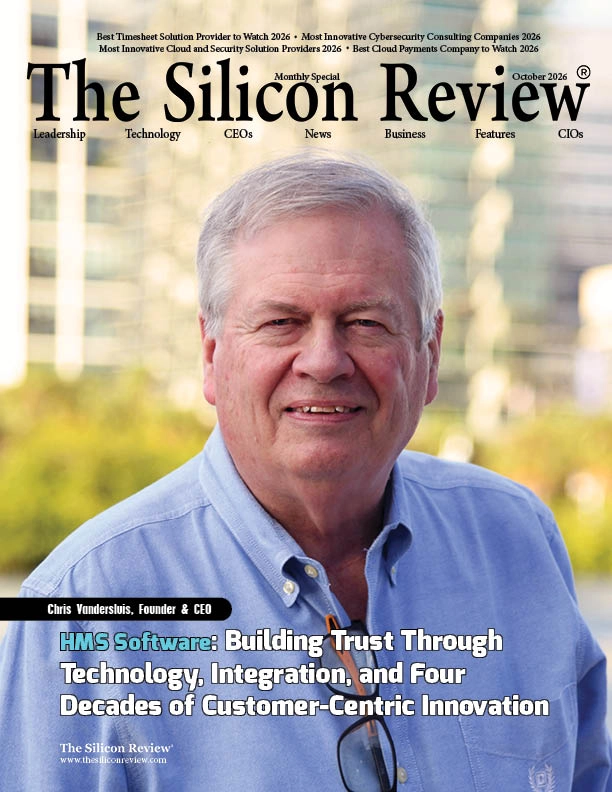
OCTOBER MONTHLY SPECIAL 2026
Discover the October Monthly Special 2026 featuring inspiring leaders, innovative companies, business insights, industry trends, and stories shaping the glob...