>>
Industry>>
Transportation>>
How to Choose Between FTL and ...How to Choose Between FTL and LTL for Growing E-commerce Businesses
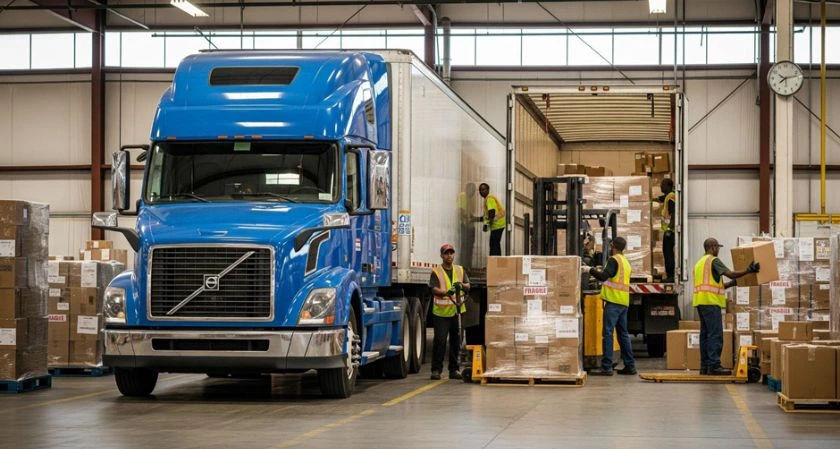
Running an e-commerce business is exciting, but let’s be honest, shipping can sometimes feel like a battlefield. Customers want fast delivery, your inventory keeps moving in and out and every order counts. As your business grows, it becomes super important to choose the right freight option. And in the world of shipping, the big question that most brands face is this: FTL vs LTL for E-Commerce, which one should you choose?
The wrong shipping method might result in increased costs, delivery delays and unhappy customers. But the good news? If you understand how each choice works, you can pick choices that reduce costs and maintain an efficient supply chain. That is exactly where UTB Logistics steps in, helping you ship the correct route at the proper time.
Let us break it down in the easiest form possible.
What’s the Difference Between FTL and LTL?
Before we choose a winner for your business, let’s quickly understand both options.
- FTL means Full Truckload
- LTL means Less-Than-Truckload
FTL is when your shipment takes up an entire truck. LTL is when your shipment shares space with other businesses’ goods. If you want to understand more, you can check out this guide on the difference between LTL and FTL. Each choice has its own powers, leaning on what you are shipping, how much space you require and how quickly your customers expect delivery.
To nicely understand freight movement across the U.S. supply chain, you can also research national logistics data shared by the Bureau of Transportation Statistics.
When Should You Choose FTL?
Think of Full Truckload like booking a whole cab for yourself: no stops, no sharing, no waiting.
Here’s when FTL works best for your e-commerce store:
- Your shipment takes up one vehicle.
- Your delivery is urgent and needs to reach customers faster
- The items are fragile or of high value
- You want minimum handling to avoid damage
FTL is also much more predictable. Since the truck drives straight to the destination, there are fewer chances for delays. You get better control and better security.
If your store ships bulk inventory to fulfilment centres or regularly receives large shipments, FTL is the smartest choice. Want a trusted logistics partner? You can explore UTB Logistics' full truckload services. It delivers nationwide coverage, skilled carriers, real-time tracking and smooth port operations, making it easy for growing e-commerce brands to scale up without stress.
When Should You Choose LTL?
Now let’s talk about LTL. It is basically like carpooling for freight. You only pay for the space you use while sharing the rest of the truck with others.
Choose LTL when:
- You have smaller, frequent shipments
- You’re sending items to multiple retail stores or fulfilment locations
- You want to control shipping expenses
- Your inventory levels keep changing every week
For e-commerce businesses that are still growing, Less-Than-Truckload can be a game-changer. You save money while still shipping efficiently. Plus, LTL has a lower environmental impact because it reduces the number of trucks on the road. Smart for business and smart for the planet.
UTB Logistics helps e-commerce brands move shipments quickly with flexible scheduling, cost transparency and reliable coordination across major U.S. routes.
Quick Comparison: FTL vs LTL for E-Commerce
Here’s a simple look at how both options differ so you can pick what fits your needs:
| Feature | FTL | LTL |
|---|---|---|
| Shipment Size | Full truck | Part of truck |
| Speed | Faster | Slightly slower |
| Cost | Higher per trip | More budget-friendly |
| Delivery Stops | One truck delivery | Multiple trucks |
| Best For | Bulk inventory restock | Frequent smaller orders |
The main point to remember: FTL vs LTL for E-Commerce depends on shipment size, urgency and destination. There is no wrong choice, just the right fit for your business at the right time.
How to Choose the Right Option for Your Business
Here are a few simple questions to help you make the decision:
- Are your orders large enough to fill a truck?
- Are your customers expecting fast delivery every time?
- Do you ship to a single large location or multiple smaller ones?
- Do you need more flexibility or more control?
- What matters more right now, speed or cost savings?
If you often deal with busy seasons, product launches, or fast sell-out items, FTL gives you that speed and security. But if your order volume is still unpredictable, LTL helps you avoid paying for unused truck space. And here’s the real secret: Most successful e-commerce businesses use a mix of both. That’s exactly why choosing the right logistics partner makes all the difference.
Why UTB Logistics Is the Best Partner for Growing E- commerce Brands
When you’re scaling, you need shipping that scales with you. UTB Logistics brings more than 20 years of expertise in helping businesses move freight safely, legally and on schedule.
Here’s what you get when you work with UTB Logistics:
- Flexible options for both FTL and LTL shipping.
- Real-time load tracking for better visibility.
- Freight is moving smoothly through major U.S. ports and routes.
- Trusted carrier network for secure and legal cargo movement.
- Expert support to help you avoid delays and extra charges.
Whether you are shipping across cities or states, they confirm that every delivery helps your business growth rather than slowing it down.
Conclusion
Your shipping methods will determine not only customer satisfaction but also the speed of your business growth. The selection between FTL vs LTL for E-Commerce comes down to knowing your shipment needs, budget and delivery aspirations. The right logistics partner can help you see that perfect balance every single time.
So, if you are ready to dispatch smarter and confidently extend your e-commerce brand, partner with UTB Logistics today and let their professional unit guide you on when to choose FTL and when to optimize with LTL, confirming every shipment passes seamlessly from the warehouse to the customer’s doorstep.
Grow faster. Spend smarter. Deliver better.