>>
Industry>>
Environmental sustainability>>
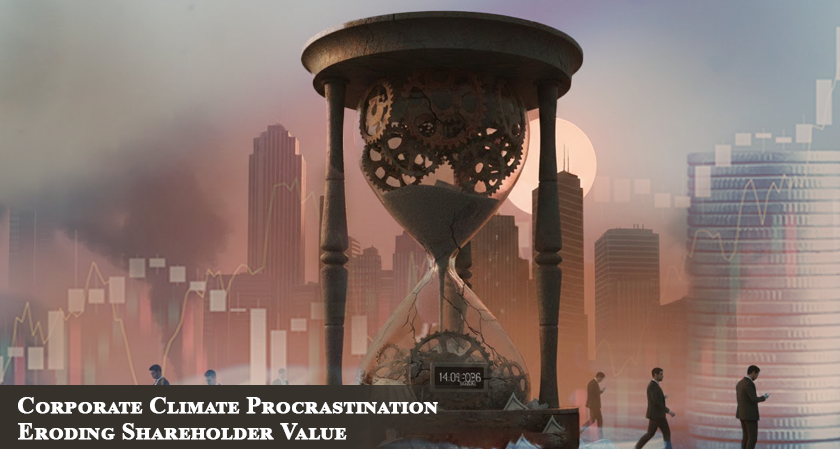
Corporate Climate Procrastinat...Corporate Climate Procrastination Eroding Shareholder Value
The Silicon Review
27 January, 2026
Author:
The Silicon Review Team
New analysis warns that corporate procrastination on climate and nature-related risks is actively eroding long-term financial value and competitiveness.
A stark new financial analysis reveals that corporate procrastination on climate action and nature-related risks is actively eroding long-term shareholder value and undermining competitive resilience. The report, from a leading sustainability consultancy, demonstrates that companies delaying substantive decarbonization, supply chain adaptation, and biodiversity protection are accruing hidden liabilities and missing transformative opportunities. This value erosion is becoming increasingly quantifiable through rising cost of capital, insurance premiums, and regulatory penalties, translating vague future risks into present-day financial underperformance.
The analysis contrasts leaders embedding sustainability into core strategy with laggards treating it as a peripheral CSR concern. This strategic delay matters because capital markets and procurement departments are now systematically pricing in climate transition and physical risks. For corporate boards and investors, the findings are a clear signal that inaction is a direct threat to portfolio value and a failure of fiduciary duty in an era of climate-disrupted economics. The data shows that proactive companies are securing cheaper financing, attracting top talent, and building more resilient operations.
For CFOs and risk officers, the implication is an urgent need to integrate climate and nature into financial planning and enterprise risk management (ERM) frameworks. The forecast is for accelerated divestment and devaluation of assets in high-risk sectors as markets correct. Decision-makers must conduct scenario analyses that model the financial impact of both rapid policy changes and physical disruptions. The next imperative for corporate leadership is to move from incremental pledges to capital reallocation, directing investment away from vulnerable activities and towards innovation that builds long-term sustainable value aligned with a net-zero, nature-positive economy.