>>
Industry>>
Industrial Automation>>
9 Mistakes to Avoid When Expan...9 Mistakes to Avoid When Expanding Your Warehouse Facility's Storage Capacity
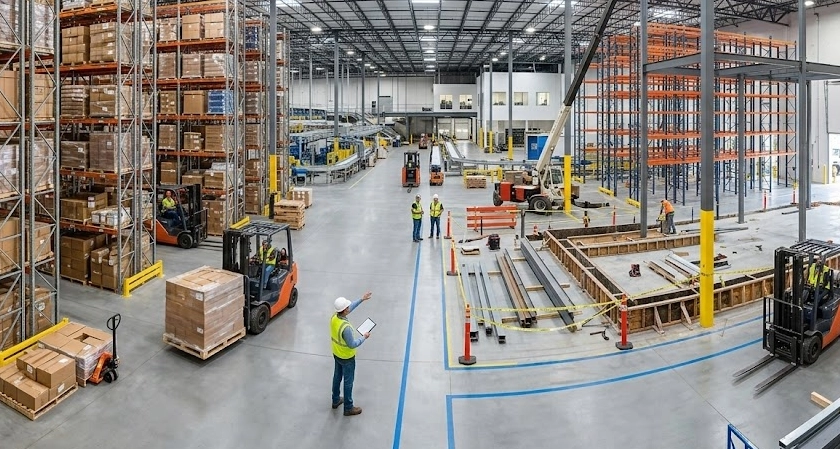
The capacity of your warehouse to store goods plays a critical role in the success of your trading or manufacturing business. It determines the efficiency and cost-effectiveness of your operations while contributing to customer satisfaction. Moreover, sufficient storage capacity supports growth, allowing your business to meet increasing demand and manage inventory optimally.
As your business evolves, you may need to expand your warehouse’s capacity along with it. However, this process may not be as straightforward as it may initially seem. While expansion is often a necessary step for facilitating business growth, warehouse upgrades require careful planning and informed decision-making.
Below, we will examine some of the common mistakes businesses make when expanding warehouse storage capacity, and will explain how avoiding them can support long-term operational success.
Expanding without a Clear Capacity Strategy
One of the most common mistakes businesses make is expanding warehouse space without a clearly defined capacity strategy. Increasing storage area without understanding actual storage requirements often leads to inefficient layouts and underutilised space. Expansion decisions should be based on accurate assessments of inventory volume and turnover rates as well as operational needs.
In addition, a lack of strategic planning can limit future flexibility. Without a clear capacity plan, businesses may find themselves constrained by poor layout decisions that can be difficult and costly to correct later.
Ignoring Workflow and Material Handling Efficiency
Expanding storage capacity without considering workflow efficiency can negatively affect daily operations. Storage systems, including various configurations for pallet racking NZ businesses commonly use, influence how goods move through a facility, from receiving to dispatch. That said, poor layout decisions can increase travel distances and slow order fulfilment. When expansion plans overlook workflow considerations, the result is often increased handling time and higher operational costs.
Efficient warehouse design supports smooth material handling while reducing labour strain. Businesses in New Zealand can benefit from expert advice and complete storage solutions, ensuring that pallet racking, shelving, and other storage systems are optimally configured to meet both current operational needs and future growth.
Underestimating Future Growth Requirements
Many businesses underestimate how quickly demand can increase, particularly in markets undergoing constant change. When expansion plans do not account for future growth, facilities may reach capacity sooner than expected.
This short-term approach can lead to repeated expansion projects, which disrupt operations and increase costs over time. By contrast, planning for projected growth allows businesses to maximise the value of their investment and avoid operational interruptions later on.
Overlooking Structural and Building Constraints
An existing warehouse facility’s floor load capacity, ceiling height, and column spacing dictate storage system configuration. Ignoring these constraints may lead to structural failures, unsafe installations, inefficient space utilisation, or higher operating costs.
Moreover, structural limitations can affect compliance with safety regulations. Expanding storage without confirming building suitability may expose businesses to operational risks and regulatory issues.
Failing to Consider Technology and Automation Needs
Warehouse expansion decisions that neglect technology requirements often limit long-term efficiency. An effective storage system supports warehouse management software and other digital tools that improve inventory visibility and control. Meanwhile, expansion without technology alignment can reduce system compatibility and data accuracy.
As automation becomes more accessible, businesses that fail to plan for it may struggle to adapt later. When technology needs are considered during expansion, businesses ensure that storage systems support operational improvements rather than restrict them.
Choosing Storage Solutions Based Solely on Cost
Cost considerations are important, but selecting storage solutions based only on initial expense is a frequent mistake. Low-cost systems may save money at the onset, but they often lack durability, flexibility, and scalability, leading to higher maintenance costs and reduced adaptability over time.
Evaluating long-term value rather than upfront cost helps businesses avoid compromises that affect efficiency and long-term cost-effectiveness. Storage solutions should support changing inventory requirements and operational demands while delivering reliable performance throughout their lifespan.
Disrupting Ongoing Operations During Expansion
Warehouse expansion projects can significantly disrupt daily operations without proper planning. Poor scheduling and inadequate contingency measures often result in reduced productivity and missed delivery targets.
Careful coordination is essential in maintaining operational continuity during expansion. Well-planned phased implementation or temporary adjustments help minimise disruption and protect service levels. Businesses that overlook this aspect risk damaging customer relationships as well as internal efficiency.
Neglecting Safety and Compliance Requirements
Treating safety as an afterthought during warehouse expansion can lead to serious consequences. Changes to storage capacity often introduce significant safety risks related to load stability, access, and emergency procedures. When businesses fail to address these hazards, they increase the likelihood of workplace incidents and regulatory penalties.
Compliance with health and safety standards is critical when modifying warehouse facilities. Expansion plans that meet regulatory requirements ensure employee protection and reduce business liability.
Failing to Seek Expert Input
Warehouse expansion is often a complex project that is best undertaken with expert guidance. Warehouse design and storage engineering, along with compliance requirements, involve specialised knowledge that many businesses lack internally.
Engaging experienced professionals helps businesses identify potential issues early while ensuring that expansion decisions are informed and practical. Expert input can improve efficiency and reduce costly errors during implementation.
A warehouse facility is more than just a place to store inventory. Rather, it’s a foundational element of operations designed for the effective management and movement of goods. When it comes time to expand your warehouse capacity, balancing efficiency, compliance, and cost makes a significant difference in enabling operational continuity and long-term value. Moreover, thoughtful planning and expert guidance help ensure that this investment supports both day-to-day productivity and sustainable growth.