>>
Industry>>
Legal>>
What exactly is public liabili...What exactly is public liability and who needs insurance for it?
The Silicon Review
30 October, 2025
Author:
The Silicon Review Team
Public liability can be a confusing area of insurance for many Australian business owners and individuals. Whether you're running a cafe, working as a tradie, or organising a community event, understanding your liability exposures is essential. This guide aims to clarify what public liability means in Australia, who typically requires coverage, and key considerations when selecting the right policy. If you ever face a liability claim, you may need to visit National Compensation's public liability lawyers in Melbourne for expert legal assistance.
Key Takeaways
- Public liability insurance protects against claims for third-party bodily injury or property damage
- Most businesses with customer interaction, on-site visits, or public events need cover
- Policy costs vary based on risk factors including industry, turnover, and claims history
- Understanding exclusions is critical to avoid coverage gaps
- Proper documentation and prompt reporting are essential when incidents occur
What is public liability insurance?
Plain-language definition
Public liability insurance is a type of cover that protects individuals and businesses against claims made by third parties for bodily injury or property damage. In simple terms, if someone gets hurt or their property is damaged and they believe it's your fault, this insurance helps cover legal costs and potential compensation payments.
Legal and practical purpose
The main purpose of public liability insurance is to protect you or your business from financial ruin if someone takes legal action against you. Without adequate cover, even a relatively minor claim could potentially bankrupt a small business or sole trader.
"When it comes to public liability protection, we always tell clients that the right coverage isn't just about ticking a box - it's about securing your business's future against unpredictable incidents that could otherwise be financially devastating." - National Compensation Lawyers
Common scenarios
Public liability claims can arise in numerous situations:
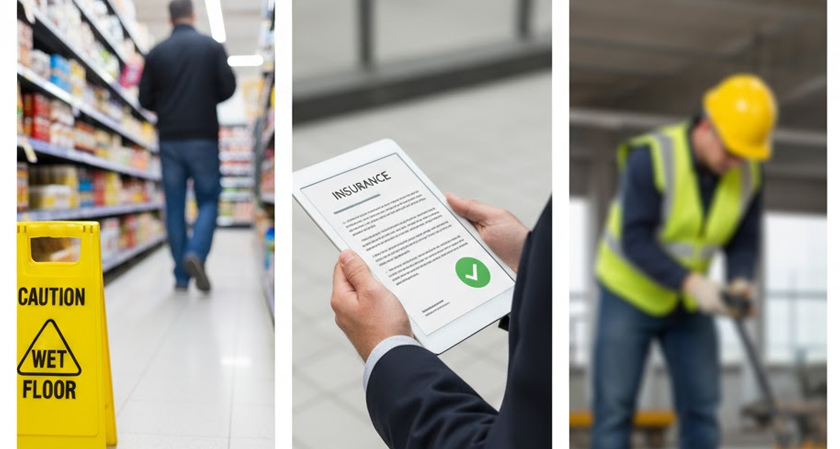
- A customer slips on a wet floor in your shop
- You accidentally damage a client's property while working in their home
- A visitor trips over equipment at your event
- Your signage falls and injures a pedestrian
Differentiating related covers
Public liability is often confused with other types of insurance:
- Product liability covers claims arising from products you manufacture or supply
- Professional indemnity covers claims for financial loss due to your advice or services
- Workers compensation covers your employees for work-related injuries
Who needs public liability insurance?
Small businesses and sole traders
Virtually all businesses with physical locations where customers visit need public liability insurance. This includes retail shops, cafes, restaurants, hairdressers, and fitness centres. The risk of customer injury makes this cover particularly important.
Contractors and tradies
Tradies and contractors who visit client premises face significant liability risks. Plumbers, electricians, carpenters, painters, and cleaners all need robust coverage as they could accidentally cause property damage or injury while working.
Property owners and event organisers
Landlords need protection if tenants or visitors are injured on their property. Similarly, anyone organising events - from wedding planners to community fair coordinators - should have appropriate coverage for the duration of the event.
Community groups
Volunteer-run organisations, sporting clubs, and community groups typically require public liability insurance, especially when hosting activities where members of the public participate.
When cover is mandatory
Many situations require proof of public liability insurance:
- When signing commercial leases
- For council permits
- When bidding on contracts
- To work on building sites
- For trade licensing in some professions
What policies typically cover
Bodily injury claims
This includes medical expenses, rehabilitation costs, lost income and compensation for pain and suffering when someone is injured due to your business activities.
Property damage claims
Coverage extends to repair or replacement costs when third-party property is damaged as a result of your business operations.
Legal defence costs
Your policy will typically cover legal representation, court fees and expert witness costs, even if a claim against you is ultimately unsuccessful. In more complex injury or exposure-related disputes, knowing whether to settle or file a lawsuit can be a critical legal decision.
Policy limits
A $5 million limit means the insurer will pay up to that amount for a single claim or series of claims in the policy period. For higher-risk businesses, limits of $10-20 million are common.
Common exclusions
Most public liability policies won't cover:
- Deliberate acts or damage
- Professional advice (requires professional indemnity insurance)
- Employee injuries (covered by workers compensation)
- Contractual liabilities beyond what would exist at common law
- Pollution and contamination (may require specialist environmental liability cover)
- Asbestos-related claims
Cost factors and examples
Key premium factors
Your premium will depend on:
- Industry type (high-risk vs. low-risk)
- Annual turnover
- Number of employees
- Claims history
- Business location
- Chosen policy limit and excess
Typical price ranges
Prices vary widely but as a rough guide:
- Small retail: $500-$1,500 annually
- Tradies: $600-$2,000 annually
- Hospitality: $800-$3,000 annually
Higher risk businesses or those requiring higher limits will pay more.
Risk controls
You may reduce premiums by implementing safety measures, staff training, risk assessments, and maintaining incident logs.
Making a claim
Immediate actions
If an incident occurs:
- Ensure anyone injured receives medical attention
- Secure the scene and address immediate hazards
- Document everything thoroughly
- Notify your insurer promptly
Evidence collection
Gather photos of the incident site, witness contact details, incident reports, and CCTV footage if available. Preserve any relevant maintenance records or safety documentation.
Claim process
After notification, your insurer will assign a claims handler who may appoint investigators or loss adjusters. Claims typically take 2-6 months to resolve, though complex cases may take longer.
Frequently asked questions
Do I need public liability if I work from home?
Yes, if clients visit your home or if you visit client premises. Home insurance typically doesn't cover business activities.
How much cover should a small business carry?
Most small businesses should have at least $5-10 million in coverage. Review your contracts and industry standards to determine an appropriate amount.
Are volunteers covered?
Not automatically - check your policy wording and add volunteer cover if needed. Many policies require specific endorsements for volunteer workers.
Does public liability cover pandemic claims?
Most policies exclude communicable disease transmission claims, particularly following COVID-19. Special coverage may be available but often at significant cost.
Case studies
Retail example
A customer slipped on a recently mopped floor in a boutique clothing store, breaking her wrist. The store's public liability insurance covered $45,000 in medical costs and lost wages plus $15,000 in legal expenses.
Trades example
A plumber accidentally drilled through a water pipe while installing a bathroom fixture, causing $30,000 in water damage to the client's home. His public liability insurance covered the repairs and alternative accommodation for the homeowner.
Key lessons
Both cases highlight the importance of:
- Proper warning signs and safety procedures
- Prompt incident reporting
- Thorough documentation of work practices
- Regular staff training
Conclusion
Public liability insurance is a fundamental protection for businesses and individuals who interact with the public or work on others' property. The right coverage provides peace of mind and financial security against potentially devastating claims. When selecting a policy, carefully review coverage limits, exclusions, and conditions to ensure they match your specific needs. If you find yourself facing a liability claim, National Compensation Lawyers can provide the expert legal guidance needed to protect your interests and secure fair outcomes.