>>
Industry>>
Industrial Automation>>
Stretch Film Machines Gain Mom...Stretch Film Machines Gain Momentum as Manufacturers Reassess Packaging Efficiency
The Silicon Review
31 December, 2025
Author:
The Silicon Review Team
As global manufacturing continues to recover and restructure after years of supply chain disruption, packaging operations are quietly becoming a focal point for efficiency improvements. Across logistics, consumer goods, and industrial manufacturing, stretch film machines are seeing renewed attention as companies reassess how packaging impacts cost control, product protection, and sustainability performance.
Industry analysts note that while packaging has traditionally been viewed as a downstream process, its influence on operational efficiency is now being recognized earlier in production planning.
Packaging Efficiency Moves Up the Priority List
Rising transportation costs, labor shortages, and stricter sustainability requirements are forcing manufacturers to look beyond basic packaging solutions. Stretch film, widely used for pallet stabilization and load containment, has become a key area for optimization.
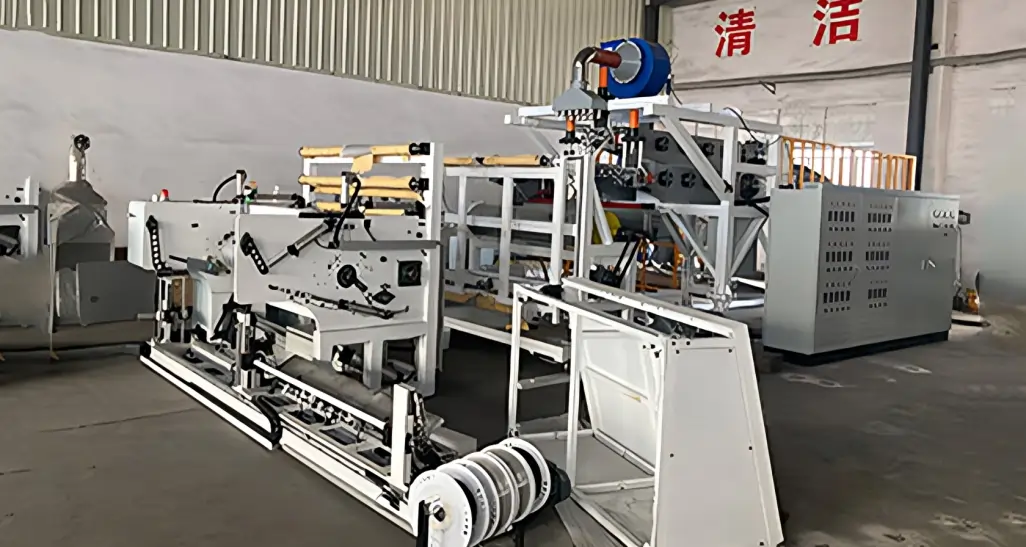
Modern stretch film machines allow manufacturers to achieve consistent film quality and controlled stretching performance, reducing material usage while maintaining load security. This balance between performance and efficiency is increasingly important for export-oriented businesses operating under cost pressure.
Technology Shifts in Stretch Film Production
Recent developments in stretch film machinery focus less on speed alone and more on process stability and precision control. Equipment manufacturers are refining extrusion systems, temperature management, and automation features to ensure uniform film thickness and reliable output over long production cycles.
Multi-layer extrusion technology, in particular, is gaining traction as it allows producers to combine strength, elasticity, and cling properties without increasing overall material consumption. This approach supports both performance improvement and raw material savings.
Automation Reduces Dependency on Manual Labor
Another notable trend is the growing adoption of automated operation and monitoring systems. Advanced stretch film machines now integrate real-time parameter adjustment, fault detection, and simplified user interfaces.
For manufacturers facing workforce constraints, automation reduces reliance on skilled manual operators while improving consistency across production batches. The result is fewer stoppages, lower scrap rates, and more predictable production planning.
Sustainability Influences Equipment Investment Decisions
Environmental considerations are also shaping purchasing decisions. Manufacturers are under pressure from customers and regulators to reduce packaging waste and improve recyclability.
Modern stretch film machines support downgauging strategies, allowing thinner films to perform at the same or higher strength levels. Many systems are also compatible with recycled or modified raw materials, helping producers adapt to evolving sustainability standards without compromising product quality.
Broad Industry Applications Continue to Expand
Stretch film machines are now used across a wide range of sectors, including logistics, food and beverage distribution, building materials, chemicals, and industrial components. Their ability to adapt to different load types and packaging requirements makes them a flexible solution in both large-scale factories and mid-sized production facilities.
As supply chains become more complex, reliable load containment remains a non-negotiable requirement.
Choosing Equipment for Long-Term Operational Stability
Industry experts emphasize that selecting a stretch film machine is no longer just a matter of initial cost. Buyers are increasingly focused on long-term stability, technical support, and the supplier’s ability to customize solutions based on production needs.
Working with an experienced stretch film machine manufacturer can help businesses improve packaging efficiency while minimizing operational risk.
MOST VIEWED ARTICLES
RECOMMENDED NEWS








Artificial Intelligence News
Startups News