>>
Industry>>
Legal>>
5 Most Common Causes of Jackkn...5 Most Common Causes of Jackknife Accidents
The Silicon Review
14 January, 2026
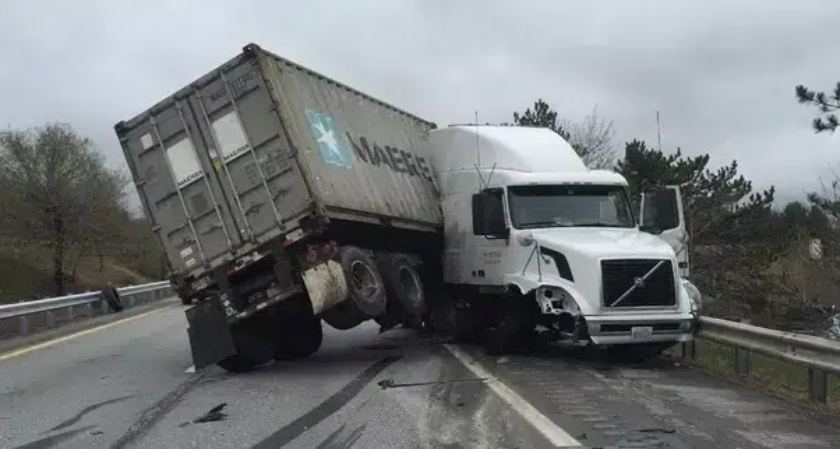
A jackknife accident happens when a truck’s trailer swings out at an angle, forming a shape similar to a folding knife. These accidents are extremely dangerous because they can block multiple lanes of traffic and cause severe injuries to nearby drivers.
Understanding common causes and injuries in jackknife crashes helps explain why these accidents occur so suddenly and why they often lead to serious, sometimes fatal, outcomes. Large trucks require careful handling, and even a small mistake can quickly turn into a loss of control.
What Is a Jackknife Accident?
A jackknife accident is when the truck cab slows down or stops, but the trailer keeps moving; thus, the trailer will swing sideways. It is the common result of a truck losing traction or becoming unstable.
The Federal Motor Carrier Safety Administration (FMCSA) states that jackknife accidents are among the most deadly commercial vehicle accidents due to the size and impact area of these vehicles.
Sudden Braking
One of the major reasons for jackknife accidents is sudden or hard braking. If a truck brakes suddenly, the trailer can swing sideways with enough momentum to topple.
The chances of this happening go up when:
- Roads are wet, icy, or uneven.
- The truck is moving at high speeds.
- Brakes are not in good condition.
The National Highway Traffic Safety Administration (NHTSA) states that heavy trucks take much longer to stop than passenger vehicles.
Speeding
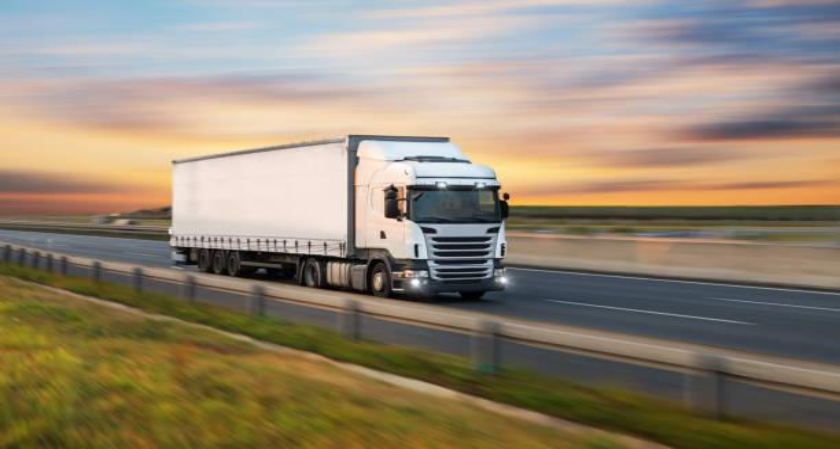
Driving too fast for road or weather conditions makes it harder for truck drivers to stay in control. Even if a truck is within the posted speed limit, excessive speed can still be dangerous.
High speeds reduce reaction time and increase the chance that braking or steering corrections will cause the trailer to swing out.
Improperly Loaded Cargo
Indeed, improperly secured or unevenly loaded cargo may move while being transported. The caravan may become unstable if the weight distribution abruptly shifts.
- Inadequate cargo loading may result in:
- Balance issues during turns
- A longer stopping distance
- Increased danger of caravan swing
According to FMCSA data, a significant factor in serious truck accidents is cargo-related problems.
Poor Weather Conditions
Rain, snow, ice, and fog significantly reduce traction and visibility. Slippery roads make it easier for truck tires to lose grip, especially during braking.
Weather-related jackknife accidents often occur when drivers:
- Fail to slow down early
- Brake too aggressively
- Misjudge road conditions
The Federal Highway Administration notes that wet pavement is a frequent factor in large truck crashes.
Inexperience or Driver Fatigue
Two of the biggest risk factors for jackknife accidents are driver fatigue and inexperience. When faced with unexpected hazards, fatigued drivers may overcorrect due to their slower reaction times.
- Additionally, inexperienced drivers may have trouble with:
- Controlling the braking pressure
- Managing trailers around curves
- Handling emergency situations
Although driving hours are restricted by federal regulations, infractions nevertheless play a role in crashes caused by fatigue.
Which Injuries Often Occur in Jackknife Accidents?
Jackknife accidents can result in serious injuries because they frequently involve multiple vehicles. Typical injuries consist of:
- Brain injuries caused by trauma
- damage to the spinal cord
- Internal injuries and fractured bones
- severe crush injuries or burns
Additionally, these collisions may result in long-term impairments that necessitate continuous medical attention.
How Can Jackknife Accidents Be Prevented?
Preventing jackknife accidents requires careful driving and proper vehicle maintenance. Key prevention measures include:
- Reducing speed in poor weather
- Ensuring cargo is properly loaded
- Maintaining brakes and tires
- Following federal hours-of-service rules
Safety training and compliance with trucking regulations play a critical role in reducing accident risks.
Final Key Takeaways
- Jackknife accidents occur when a trailer swings out of control.
- Sudden braking and excessive speed are leading causes.
- Poor weather and improper cargo loading increase risk.
- Driver fatigue and inexperience contribute to loss of control.
- Injuries from jackknife crashes are often severe and life-changing.
Jackknife accidents are preventable in many cases, but they continue to occur when safety rules are ignored. Understanding the causes helps drivers, companies, and the public recognize the serious risks involved with large commercial trucks on the road.
MOST VIEWED ARTICLES
RECOMMENDED NEWS









TOP NEWS
YOU MAY ALSO LIKE


_2025-11-17_06-38-14.webp)


_2025-12-15_12-44-58.webp)


 (1)_2025-10-21_13-35-14.webp)