>>
Other>>
Electronic and electricals>>
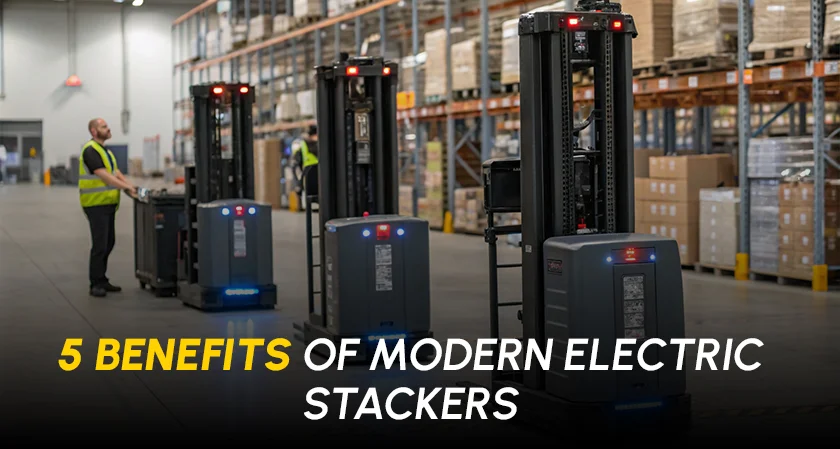
5 Benefits of Switching from M...5 Benefits of Switching from Manual or Older Equipment to Modern Electric Stackers
The Silicon Review
05 December, 2024
Author:
The Silicon Review Team
Whether you’re managing a bustling warehouse or a modest storage facility, the tools you rely on can significantly impact productivity and efficiency. Manual pallet stackers, for instance, have long been reliable workhorses that address the basic lifting and stacking needs of warehousing businesses. However, as the material handling industry evolves to meet the growing demands of modern consumers, this outdated machinery may struggle to keep up with the efficiency and scalability required in today’s operations.
As such, many businesses are shifting to modern electric stackers, as these machines offer many advantages over their manual counterparts. This article will explore why electric stackers are becoming an indispensable tool for businesses aiming to stay competitive in an increasingly fast-paced industry, helping you understand how upgrading to these machines can support long-term growth.
Enhances Operational Capacity
Modern electric stackers are designed with advanced motorisation, making them significantly faster and more efficient in moving, lifting, and stacking goods compared to manual models. This boost in efficiency allows them to handle larger volumes of goods in less time, which directly translates into higher throughput and improved productivity.
Electric stackers also offer more precise handling. With their smoother controls and more precise manoeuvrability, these machines enable operators to position loads more accurately. This reduces the risk of product damage while optimising the use of space in warehouses and other facilities that require high-density storage and organisation.
Lowers Risk of Workplace Injuries
Workplace safety is a top priority in any material handling operation, and modern electric stackers play a crucial role in reducing injury risks. A manual pallet stacker often requires operators to engage in strenuous physical activities, such as pushing, pulling, and lifting, which can lead to repetitive strain injuries, muscle fatigue, and even accidents. An electric stacker, on the other hand, is designed with powered lifts and more ergonomic controls, which require less physical exertion from operators.
Additionally, the increased stability and control offered by electric stackers further contribute to safety. These machines are equipped with features such as anti-tip designs, better traction, and precise steering, which reduce the risk of accidents in busy warehouse environments. With better manoeuvrability and more reliable control, operators can navigate narrow aisles and tight spaces with ease, lowering the chances of collisions, tipping, and other accidents. By mechanising much of the lifting and transporting process, electric stackers create a safer work environment that not only protects employees but also reduces the potential costs associated with workplace injuries.
Reduces Maintenance and Downtime
One of the key advantages of modern electric stackers is their low maintenance requirements compared to older, manual models. These machines are equipped with robust components that are designed for durability, reducing the need for frequent repairs or part replacements. Unlike manual stackers, which rely on mechanical systems that can wear down over time, electric stackers are powered by advanced electric motors that typically require less maintenance. What’s more, their design includes fewer moving parts, which reduces the potential for mechanical failure and extends the overall lifespan of the equipment. With improved reliability and reduced chances of unexpected failures, electric stackers can reduce costly downtime and keep your business’s operations running smoothly.
Improves Energy Efficiency
Compared to older, less efficient equipment, electric stackers consume less power while offering superior performance. Their energy-efficient motors deliver consistent power output, and their regenerative braking systems enable electric stackers to recover kinetic energy during deceleration, reducing overall energy consumption. This means that they can operate for longer periods on a single charge, reducing the need for frequent recharging and minimising energy costs.
Furthermore, the improved energy efficiency of electric stackers contributes to a lower environmental impact. With growing awareness among consumers about environmental concerns, and with stricter government regulations, businesses are increasingly looking for ways to reduce their carbon footprint. Electric stackers help achieve this by producing less emissions and operating more cleanly than their combustion-powered counterparts. Thus, adopting electric stackers to your operations can improve your eco-friendly credentials, and potentially qualify your business for green certifications or incentives.
Better Long-Term Cost Benefits
While the initial investment in modern electric stackers may be higher compared to manual models, the long-term cost benefits far outweigh the upfront expenses. As mentioned in the previous sections, electric stackers require less frequent maintenance, have longer lifespans, and offer improved energy efficiency, all of which contribute to reduced operating costs over time. Their durable design and minimal need for repairs also lead to fewer financial resources being spent on maintaining and servicing the equipment, allowing you to allocate their budget to other areas of operation. Furthermore, the productivity gains from electric stackers lead to faster turnaround times, which can increase overall revenue. Their ability to handle larger volumes of goods more precisely and in less time enables you to meet customer demands more effectively, reducing the chances of delays and improving your order fulfilment rates.
Switching to modern electric stackers is a step towards future-proofing your business. This equipment is designed to optimise productivity, serving as an effective solution for meeting the demands of today’s fast-paced logistics environment. Thus, upgrading your fleet with the right electric stackers can help you stay competitive in a rapidly evolving industry and position your business for sustainable growth.