>>
Industry>>
Bio tech>>
Novartis Drug Ianalumab Succee...Novartis Drug Ianalumab Succeeds in Second Indication
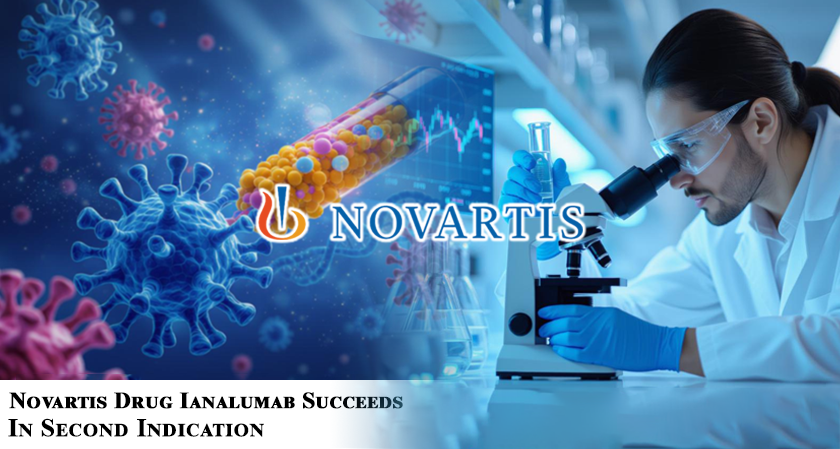
Novartis's drug ianalumab, acquired via MorphoSys, succeeds in a second condition, proving impactful for treating low platelet counts.
Novartis has achieved another clinical trial success for ianalumab, a drug acquired through its purchase of MorphoSys, demonstrating significant impact in treating a condition that causes dangerously low platelet counts. This positive data, following a prior win in Sjögren’s syndrome, validates the strategic acquisition and underscores the drug's potential as a versatile biologic therapy for autoimmune diseases. The result strengthens Novartis's late-stage immunology pipeline and provides a promising new treatment avenue for patients with immune thrombocytopenia, a disorder with limited effective options.
This additional therapeutic indication contrasts with the high failure rate of drug repurposing efforts. The success demonstrates ianalumab's mechanism of action can effectively modulate different B-cell mediated pathologies. Proving clinical efficacy in a second distinct disease is the critical deliverable that enhances the drug's commercial viability and justifies the acquisition cost. This matters because it de-risks the investment, provides a clear path to expand patient access, and could establish a new treatment standard for a challenging hematologic condition.
For hematologists, regulatory agencies, and biotech investors, the implications are significant. This success necessitates planning for a supplemental regulatory submission to the Food and Drug Administration (FDA) and other global health authorities. The forecast is for accelerated development and potential regulatory approval for this new use, creating a larger market opportunity. Decision-makers must now evaluate commercial strategy for a dual-indication launch and assess manufacturing scale-up. The next imperative is to continue long-term safety monitoring to fully understand the benefit-risk profile of chronic ianalumab use across different patient populations, ensuring its promising efficacy translates into sustainable, safe care.