>>
Industry>>
Healthcare>>
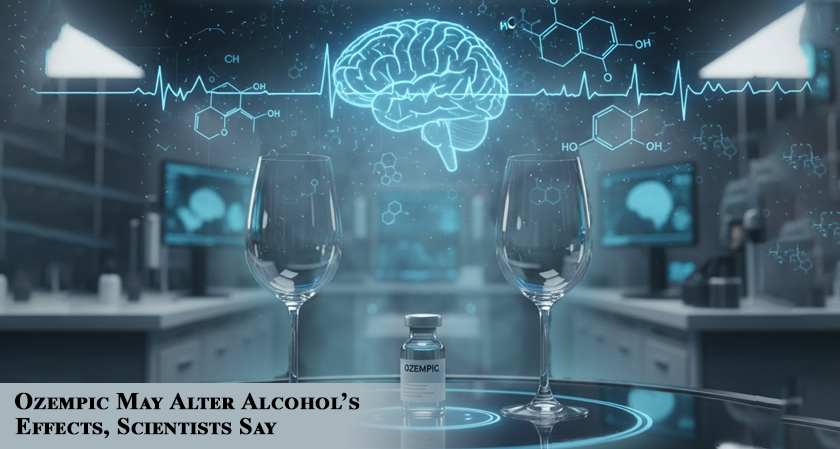
Ozempic May Alter Alcohol's Ef...Ozempic May Alter Alcohol's Effects, Scientists Say
The Silicon Review
30 December, 2025
Author:
The Silicon Review Team
Emerging reports suggest the diabetes and weight-loss drug Ozempic (semaglutide) may change how users experience the effects of drinking alcohol.
Emerging clinical observations suggest that the widely used GLP-1 receptor agonist drug semaglutide, marketed as Ozempic and Wegovy, may significantly alter how individuals experience the physiological and psychological effects of drinking alcohol. Patients anecdotally report reduced cravings, diminished pleasurable sensations, or increased negative side effects when consuming alcohol while on the medication. These reports have prompted scientists to initiate formal studies into this potential drug-alcohol interaction, which sits at the intersection of metabolic pharmacology and neurobehavioral science.
This observed interaction contrasts with the established primary effects of the drug on blood sugar regulation and appetite suppression. The potential to modify alcohol's rewarding signals in the brain represents an unintended but significant secondary pharmacological effect. Conducting rigorous, controlled clinical research to confirm and quantify this phenomenon is the critical next scientific deliverable. This matters profoundly because it raises important questions about patient safety, informed consent, and potential off-label implications for a medication taken by millions, particularly regarding addiction medicine and substance use behaviors.
For prescribing physicians, patients using GLP-1 drugs, and public health researchers, the implications are immediate and cautionary. This development necessitates that healthcare providers explicitly discuss potential alcohol interactions during patient consultations. The forecast is for accelerated research that could lead to updated prescribing guidelines and patient education materials. Decision-makers at regulatory agencies like the FDA must monitor this emerging data. The next imperative for the scientific community is to determine the precise neurological mechanism involved and establish evidence-based recommendations, ensuring patients are fully aware of how their treatment might unexpectedly influence social behaviors and personal health choices.