>>
Industry>>
Healthcare>>
What to Expect From Restorativ...What to Expect From Restorative Dental Procedures
The Silicon Review
19 January, 2026
Author:
The Silicon Review Team
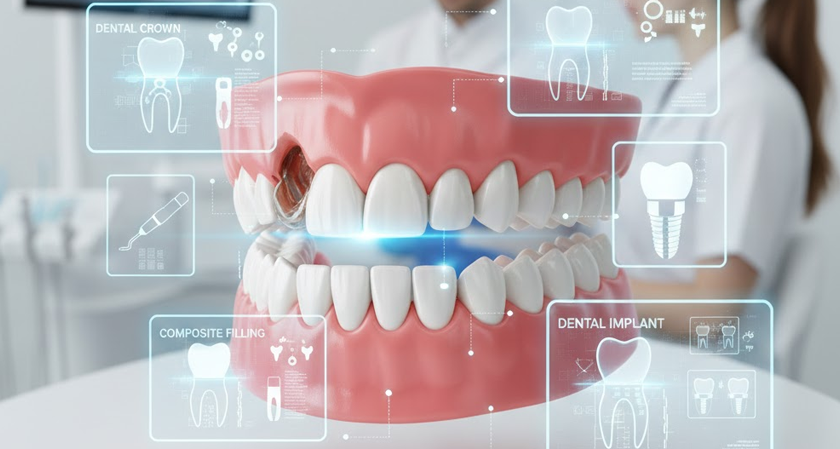
Restorative dentistry encompasses a range of procedures aimed at repairing or replacing damaged teeth. The core goal of this branch of dentistry is to restore functionality, enhance aesthetics, and maintain oral health. Unlike preventive or cosmetic treatments, restorative dental procedures are typically necessary to address issues like decay, trauma, or disease. These interventions are often crucial not only for the health of individual teeth but also for maintaining the integrity of the jaw, gums, and overall bite alignment.
Patients may seek restorative care following the loss of a tooth, the breakdown of old fillings, or due to wear from grinding. Each case is unique, and a thorough examination is the first step toward building a treatment plan tailored to specific needs. Dentists often use advanced imaging technologies to diagnose underlying problems that may not be visible on the surface. Understanding the root cause of an issue is essential for ensuring that any restorative work will last and not simply mask symptoms.
One of the most common misconceptions about restorative dentistry is that it is purely cosmetic. While many procedures do improve the appearance of teeth, their primary function is therapeutic. Replacing missing teeth with bridges or implants, restoring decay-damaged areas with crowns, or reinforcing weakened teeth with inlays or onlays are all restorative solutions designed with functionality at their core. This distinction underscores the importance of addressing dental concerns early before they evolve into more complex issues.
Initial Consultation and Diagnostic Process
The restorative dental journey begins with an initial consultation, during which a comprehensive assessment is performed. Dentists evaluate not only the teeth but also the health of the gums, the bite (occlusion), and any existing dental work. A full set of digital X-rays, intraoral photographs, and sometimes 3D imaging is typically part of this phase. These tools allow clinicians to develop a complete picture of the patient’s oral condition and identify potential issues that might influence treatment outcomes.
During this initial visit, patients can expect a detailed discussion about their symptoms, dental history, and treatment goals. Dentists will explore not just the visible problems but also investigate underlying causes such as infection, bone loss, or chronic wear patterns. A personalized approach is critical because the success of restorative procedures depends heavily on identifying and addressing foundational problems, not just applying surface fixes.
It is also during this stage that treatment options are introduced and explained. Dentists will discuss different materials, techniques, and anticipated timelines for each procedure. Patients are encouraged to ask questions, consider their budget, and weigh the pros and cons of each available solution. For example, a missing tooth might be addressed with a removable partial denture, a fixed bridge, or a dental implant, each offering different levels of durability and cost.
Types of Restorative Dental Procedures
For missing teeth, bridges and dental implants are frequently recommended. Bridges rely on adjacent teeth for support and can restore function quickly, although they require alteration of healthy teeth. Implants, on the other hand, are standalone replacements that fuse to the jawbone and provide the most stable and permanent solution. While they typically involve a longer treatment timeline, they are highly durable and help preserve bone density in the jaw.
Partial and full dentures are also part of the restorative toolbox, especially for patients missing multiple teeth. Advances in materials and fabrication techniques have greatly improved the comfort and realism of these appliances. The right solution often depends on factors like bone health, the condition of surrounding teeth, and the patient's lifestyle.
In metropolitan areas with access to specialized prosthodontic care, patients benefit from clinicians who focus exclusively on restorative treatments. One example is Dental Implant Partners, a San Francisco-based practice led by Dr. Belinda Gregory-Head for over 25 years, known for delivering comprehensive restorative dental procedures that emphasize both function and aesthetics. Choosing a provider with deep experience in complex dental restorations can have a lasting impact on treatment outcomes and long-term satisfaction.
The Role of Crowns, Inlays, and Onlays
Crowns are often recommended when a tooth has lost a significant amount of structure due to decay, fracture, or previous dental work. These restorations fully cover the tooth, providing strength and protection from further damage. Materials used for crowns include porcelain, ceramic, metal alloys, and composite resins, each with distinct benefits depending on the location and visibility of the tooth. The placement of a crown typically requires two visits, although same-day crowns are becoming more common with CAD/CAM technology.
Inlays and onlays offer a more conservative alternative to crowns. Inlays fit within the cusps of a tooth and are typically used when damage is not extensive enough to require a full crown. Onlays, often called partial crowns, cover one or more cusps and offer additional protection while preserving more of the natural tooth structure. These restorations are usually fabricated outside the mouth and bonded in place during a second appointment.
Both crowns and inlays/onlays are essential tools in restorative dentistry, bridging the gap between simple fillings and more invasive procedures. Dentists consider factors like bite force, location in the mouth, and patient preferences when recommending these options. They are especially useful in molars, where chewing forces are greatest and where long-term durability is critical for preventing further issues.
Full-Mouth Rehabilitation and Complex Cases
In cases where dental damage is widespread, a full-mouth rehabilitation may be necessary. This involves a comprehensive plan that addresses all areas of the mouth, often blending several restorative and cosmetic techniques. Patients who suffer from significant tooth loss, advanced gum disease, or severe wear due to bruxism may require this level of care. Treatment may span several months and involve collaboration between different dental specialists.
A full-mouth rehabilitation plan typically includes implants, crowns, bridges, and sometimes orthodontic or periodontal treatments. The objective is to restore not just the appearance of the teeth but also their function and alignment. The process is carefully phased to ensure that healing occurs properly and that each procedure builds upon the previous one. Patients are monitored closely throughout to track progress and make adjustments as needed.
This type of restoration can be life-changing, improving both oral health and overall quality of life. Chewing, speaking, and self-confidence are all affected by dental health, and comprehensive rehabilitation can address long-standing issues that impact day-to-day activities. Patients often report a renewed ability to enjoy food, speak comfortably, and smile confidently after completing their treatment plan.
Pain Management and Recovery Expectations
Pain management is a central consideration in any restorative dental procedure. Advances in anesthetics and sedation techniques have made it possible to undergo complex treatments with minimal discomfort. Local anesthesia is often sufficient for procedures like fillings and crowns, while sedation dentistry may be recommended for more involved work or for patients with anxiety. The emphasis is on ensuring a calm, controlled environment for every stage of treatment.
Post-procedure recovery varies depending on the type of restoration. Minor treatments like fillings typically cause little to no downtime, while procedures such as implant placement may involve a healing period of several weeks. During this time, patients may be prescribed pain medications, advised on dietary restrictions, and scheduled for follow-up visits to monitor progress. Swelling, tenderness, and mild discomfort are common and usually resolve within a few days.
Long-term recovery depends on patient adherence to aftercare instructions and ongoing dental hygiene. Proper brushing, flossing, and routine check-ups are critical to maintaining the longevity of restorative work. Dentists will often recommend night guards or other protective devices for patients who grind their teeth or have other habits that may compromise their restorations. Consistency in care helps ensure that the benefits of restorative procedures are long-lasting.
Long-Term Care and Maintenance of Restorations
The success of restorative dental work does not end with the final appointment. Long-term care is essential for preserving the integrity and function of restorations. Patients should maintain regular visits to their dental provider, ideally twice a year, for professional cleanings and assessments. These visits allow for early detection of any potential problems and help prolong the life of restorations such as crowns, bridges, and implants.
Daily oral hygiene remains the foundation of dental health, even with restored teeth. Brushing with a fluoride toothpaste, using interdental brushes or floss, and rinsing with an antimicrobial mouthwash are recommended habits. For patients with complex restorations, customized hygiene tools may be necessary to reach all surfaces. Dental professionals often offer guidance on technique and tools suited to each individual’s needs.
Some restorations, particularly implants, require periodic imaging to confirm that the underlying bone remains healthy. Changes in the mouth, such as shifting teeth or gum recession, can affect the fit and performance of restorations over time. By staying proactive with care and responsive to any signs of trouble, patients can maximize the durability and effectiveness of their dental work for many years.