>>
Other>>
Others>>
Mastering the Art of Product M...Mastering the Art of Product Management: Strategies for Success
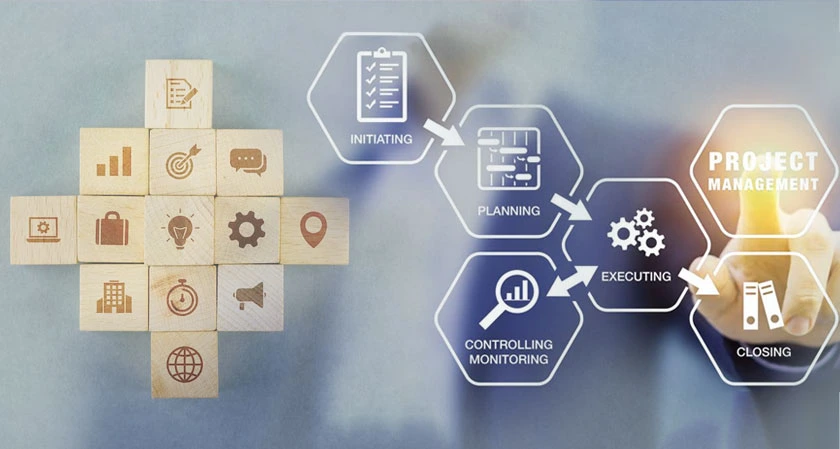
Technology experts that concentrate on the vision for a product or service are known as product managers. Together with cross-functional teams, they establish the product's strategy and plan, define its success, and carry it out.
A product manager is in charge on meeting the needs of a product, like its target market and business strategy, essentially the overarching business plan. Below, we discuss everything there is to know about product management and product management marketing.
What is product management?
Product management is a role in an organization that entails leading teams through the development and execution phases of a product's lifecycle while concentrating on what (possible) desires the customers have. Product managers are advocates for the product, but they are also familiarizing themselves with the market, gaining insight into its customers, and coming up with innovative ways to make it better.
Since every product is unique, the job of a product manager is constantly changing. The development and research of a new product may be part of product management for one company, while the re-launch and rebranding of an outdated product may be the solution for others. Product management, in any case, relates to delivering excellence throughout a product's lifecycle.
User experience (UX) design, business, and technology all come together in product management. To plan ahead and support a product's success, it frequently requires building trusting connections with cross-functional teams.
The position was previously located on the marketing or engineering teams, but in the past few years, IT businesses have started to recognize the significance of having a separate team dedicated to product management.
How to get into product management?
Product managers are strategic thinkers and problem solvers with a range of educational and professional skills. There are a set of skills required to get into product management, successful product managers are acutely aware of market trends and have a natural intuition for what might improve or better suit a product or service for a certain consumer base. Product management marketing needs these crucial abilities in order to position a person to get into product management:
- Communication: Collaboration with company stakeholders, executives, and product teams is made easier through effective communication. You can also take in product market feedback and communicate the relevant information and goals to the right people at the right time.
- Strategic thinking: Prioritizing and putting into practice ideas that can have the biggest impacts on a company or brand require the use of strategic thinking.
- Management skills: With the right management abilities, you can encourage peak performance from both individuals and teams.
- Technical skills: Technical knowledge enables you to comprehend how a product or service is designed.
- User empathy: Empathy with users makes it easier to spot and assess any issues they may have with the product.
- Project management: To be able to guarantee that product management marketing, design, engineers, and other stakeholders are in agreement with the product's vision and are able to carry out that goal in a prompt, efficient manner.
What does a product manager do?
A product manager is a specialist who determines a product's strategy, plan, features, and success. With the main objective of ensuring that a product debuts and performs well in the market, they assist in setting goals and inspiring the product team of engineers, designers, marketers, and researchers.
Product managers keep up with commercial and consumer trends and habits that may have an impact on the product or business. Day-to-day obligations could consist of:
- Evaluating, comprehending, and articulating user requirements
- Keeping track of market conditions to create a competitive analysis
- Establishing the goals for a product, such as a multi-year schedule for its creation, packaging, release, and growth
- Coordinating with the product teams, management, and other stakeholders to discuss the product's vision
- Assembling and carrying out data collection and product evaluation
- Directing groups of people throughout the whole product lifecycle
What is the role of a product manager?
Depending on the organization's size, different tasks are assigned to different people. For instance, product managers are integrated into teams of specialists in larger firms. While developers and designers handle the day-to-day execution, generate designs, test prototypes, and identify bugs, researchers, analysts, and marketers assist in gathering information. Although they have greater assistance, these product managers also spend more time getting these stakeholders to support a particular vision by using tools and software’s like product management Monday.
However, the following are certain general responsibilities a smart product manager will focus on:
- Recognizing and expressing user requirements
- Market research and creating competitive evaluations
- Creating a product's vision
- Bringing stakeholders together to support the product's goal
- Focusing on the strengths and qualities of the product
- Establishing a shared mental space among larger teams to encourage independent decision-making
What are the 7 stages of product management?
Depending on the project, the product management cycle may change. It can be divided into the following general stages: idea procurement, idea screening, market and user research, strategy formulation, product creation, testing and feedback collection, and product upgrades.
1. Idea Sourcing
It might be alluring to start writing code as soon as you have a wonderful idea. The problematic part about this is that it's possible that this concept has already been used. It is therefore, important to first spend time developing ideas. It will assist you in sorting through all the fundamental concepts to identify the most complex problems.
2. Idea Screening
It's time to create specifications now that you have the list of concepts in your possession. The top three ideas that you and your team come up with should be chosen. Then, the SWOT analysis can be applied. By eliminating alternatives that seem compelling but are out of reach, it assists in selecting only the most effective and practical ideas.
3. Market research and user research
The lack of product management and marketing is the primary reason companies fail. Finding white space and researching current market competitors are the two most crucial product management tasks you must consider.
4. Strategy Development
For the product manager, developing a product development strategy is a useful planning exercise. Market analysis and customer development helped build the product's vision, but strategy describes the actions you intend to take over time to realize that vision.
5. Product Creation
Take this as your slogan throughout the entire product management process: "There's no need to launch the product as soon as possible." First of all, efficacy doesn't equate to perfection. Second, if you have a startup idea that changes the industry, tiny failures are excused.
6. Testing and feedback gathering
Begin by studying how customers interact with your product, soliciting their opinions, and pinpointing potential areas for development. Next, communicate to the team what is required for the product, make adjustments, and test. The entire process of developing a product should be conducted in accordance with this cycle.
7. Constant product improvement
Although the process of managing software products is not the final goal, things are now moving toward sustaining your firm. Consider ways to scale up, improve operations, and maintain company results while lowering costs and increasing efficiencies.
Conclusion
In conclusion, the answer to the question "What is product management?" is that the role is solely strategic in nature. The strategy for the product must first be developed and clearly communicated by product managers. They then ensure that all decisions relating to development, marketing, etc. reflect and support the strategy. Successful product management starts and ends with defining your customers’ needs, the important thing to do is to bring value to the product your clients require. These simple steps can improve the future of the product.
FAQ
What is a product management salary?
According to Glassdoor, the average salary of a product manager in the US, is anywhere between $110,000 and $190,000 per annum.
Is product management an IT role?
Product management can be considered a complex, cross-functional role in IT. It is a complex role that involves strategic planning and solutions.
Is product management the future?
Product management is shaped by several key trending factors, it involves working smarter by adopting new methodologies and delivering better products, this requires staying ahead of the curve, using AI and other advanced technologies to make an impact in the future.
Will product management be replaced by AI?
According to research, AI will not be able to replace product management. It might be used to co-pilot programs and make things easier, but will never replace a product manager.