>>
Technology>>
Artificial intelligence>>
Elon Musk’s $97.4B OpenAI Bi...Elon Musk’s $97.4B OpenAI Bid: A New AI Power Struggle Unfolds
The Silicon Review
11 February, 2025
Author:
The Silicon Review Team
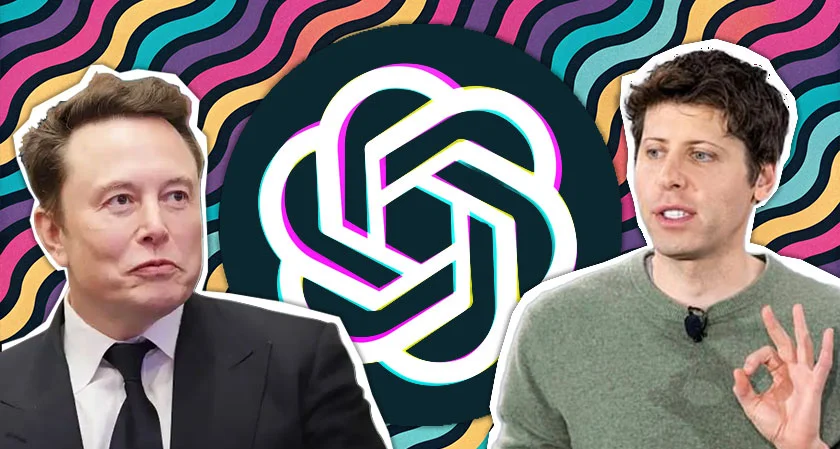
Elon Musk leads a $97.4 billion unsolicited bid to acquire OpenAI, intensifying competition in artificial intelligence as Sam Altman pushes back against the move.
Billionaire entrepreneur Elon Musk has launched an unsolicited $97.4 billion bid to gain control of OpenAI, a move that could reshape the artificial intelligence landscape. However, OpenAI’s CEO, Sam Altman, has reportedly rejected the offer, signaling a major standoff in the industry. Musk, a co-founder of OpenAI who distanced himself from the company in 2018, has been critical of its partnership with Microsoft and its shift toward commercialization. His bid, backed by high-profile investors and legal representation from Marc Toberoff, aims to wrest control of the AI leader at a time when generative AI is becoming a global economic and security priority.
The acquisition attempt raises key questions about OpenAI’s independence, governance, and the broader implications for AI innovation. If successful, Musk’s control could accelerate OpenAI’s transition toward open-source AI, aligning with his previous criticisms of the company’s closed-door approach. Conversely, rejection of the bid may reinforce Microsoft’s influence over OpenAI, given its multibillion-dollar investments.
For businesses, this development underscores the strategic importance of AI ownership and control. Companies relying on OpenAI’s technology—ranging from enterprise automation to cybersecurity—must closely monitor potential shifts in leadership, which could impact licensing agreements, development priorities, and regulatory scrutiny. While the bid’s success remains uncertain, it highlights the growing AI arms race, where leadership and ownership are becoming critical to shaping the future of artificial intelligence. Executives should prepare for potential disruptions in AI access, investment trends, and governance models as industry giants vie for dominance.