>>
Industry>>
Environmental sustainability>>
Regulatory Bottlenecks Threate...Regulatory Bottlenecks Threaten U.S. Renewable Infrastructure Expansion
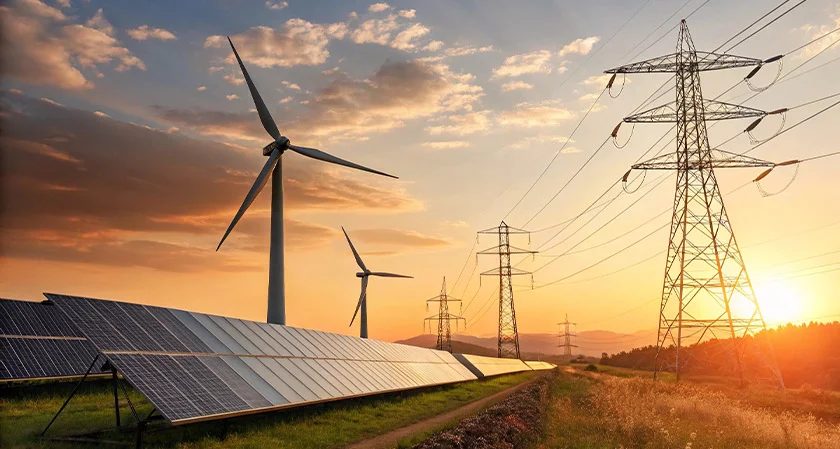
A bipartisan push to streamline permitting for renewable energy projects aims to eliminate costly delays, but automation and regulatory complexities remain key obstacles.
A bipartisan initiative to overhaul the permitting process for renewable energy infrastructure is gaining momentum, aiming to address persistent delays that have slowed the deployment of wind and solar projects. Lawmakers are advocating for a more efficient approval framework to accelerate clean energy expansion while maintaining environmental oversight. The proposed reforms target regulatory bottlenecks that can stall projects for years. Current permitting requirements often involve multiple federal agencies, lengthy environmental reviews, and inconsistent state regulations, creating uncertainty for developers. The new framework seeks to establish clear timelines, leverage automation in compliance processes, and enhance coordination between federal and state agencies.
Industrial automation is expected to play a critical role in expediting permitting decisions. AI-powered modeling tools and automated environmental impact assessments could streamline compliance checks, reducing manual oversight without compromising regulatory standards. Additionally, digital twin simulations—virtual replicas of energy projects—may allow regulators to assess infrastructure impacts in real-time, shortening approval timelines. However, concerns remain about the effectiveness of automation in navigating complex regulatory landscapes. While AI and data analytics can optimize site selection and impact forecasting, they cannot entirely replace the need for human oversight in environmental evaluations. Moreover, integrating automated permitting solutions requires significant investment in digital infrastructure, which could pose challenges for smaller developers.
For companies in renewable energy and industrial automation, the regulatory shift presents both opportunities and challenges. Firms specializing in AI-driven compliance solutions and automated construction monitoring may see increased demand, while developers must adapt to evolving requirements to maintain project viability. As Congress debates the specifics, the outcome of these reforms will shape the future of U.S. renewable energy deployment. If successfully implemented, a more automated and efficient permitting process could accelerate the nation’s transition to a cleaner energy grid while mitigating costly delays in project execution.