>>
Industry>>
Environmental sustainability>>
DOE’s $1.2B Push for Offshor...DOE’s $1.2B Push for Offshore Wind and Geothermal Reshapes Energy Strategy
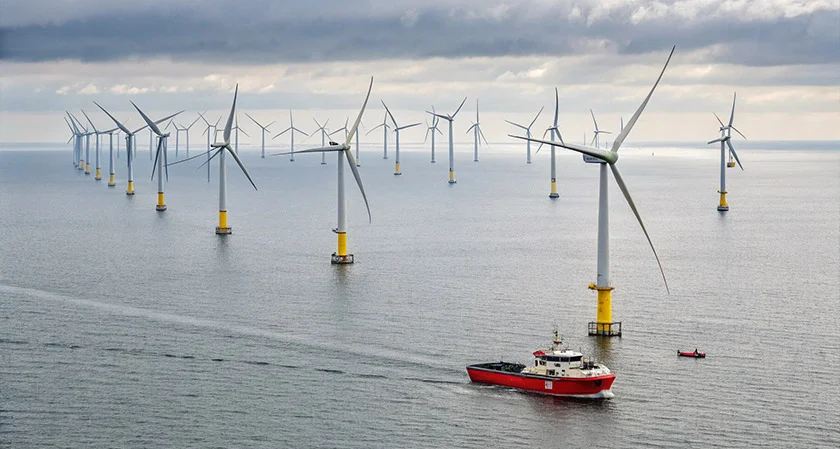
The Department of Energy’s $1.2 billion investment in offshore wind and geothermal energy signals a strategic shift in U.S. energy policy, accelerating industrial automation in clean power infrastructure.
The U.S. Department of Energy (DOE) is steering the country’s energy transition with a $1.2 billion allocation in its 2025 budget, prioritizing offshore wind and geothermal energy expansion. This move reflects a decisive shift toward industrial automation in renewable energy infrastructure, positioning these technologies as critical pillars in the push for net-zero emissions by 2050. Offshore wind projects are set to benefit from advanced automation in turbine installation, predictive maintenance, and AI-driven energy forecasting, optimizing performance while reducing operational costs. Meanwhile, geothermal initiatives will see enhanced drilling automation, leveraging AI to identify and exploit deeper, high-yield reservoirs with greater efficiency.
The funding also signals heightened competition for grid integration solutions. As offshore wind capacity scales and geothermal energy extends beyond traditional hotspots, automated grid-balancing technologies will be crucial to ensure seamless energy distribution. The move is expected to accelerate investments in digital twin technology, which allows energy operators to simulate and refine power grid operations in real time. Despite the momentum, challenges persist. Offshore wind faces supply chain constraints and logistical hurdles, while geothermal expansion requires advanced subsurface mapping and precision drilling. DOE’s commitment suggests an urgency to address these issues through automation, reducing dependency on conventional energy sources while fortifying energy security.
As industries align with the evolving energy landscape, companies integrating automation into wind and geothermal infrastructure will be best positioned to capitalize on federal incentives and emerging market demands. This strategic shift underscores the role of industrial automation in driving the next era of sustainable energy deployment.