>>
Industry>>
EdTech>>
5 Ways to Keep Your Fridge Mol...5 Ways to Keep Your Fridge Mold-Free Long-Term
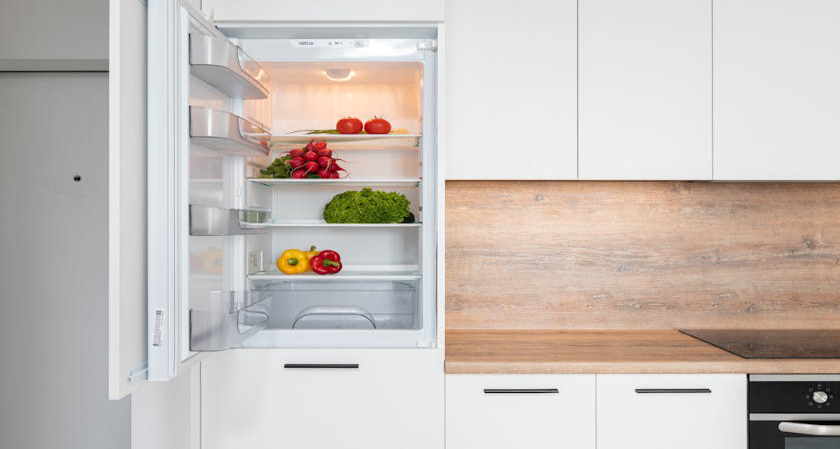
Photo by Max Vakhtbovycn from Pexels
Mold grows fast in closed, damp spaces, and refrigerators fit that profile when care slips. Spoiled produce leaks moisture, door gaskets trap crumbs, and air stops moving in crowded shelves. The result is musty smells, gray patches, and food you cannot trust the next day. It also triggers extra maintenance work and staff complaints in busy office kitchens.
Clear routines prevent most of this and they do not require special gear or chemicals. If you want a simple plan with steps that stick, start with evidence based methods. A good place to begin is Keeping your fridge mold-free, which shows safe cleaning with vinegar and prevention tactics. The five moves below help you keep clean results week after week.
Set The Right Temperature And Airflow
Cold air will slow down the mold from growing; however, a large number of refrigerators are running warmer than they were designed to operate at. Check your internal thermometer and adjust the setting on your refrigerator to match what you actually have in the box rather than guesswork.
Keep the temperature in the fresh food compartment between 37°F and 40° F and the temperature in the freezer at or below 0°F. Do not overload your shelf with too much as this will cause your fans to be restricted by the items that are placed in front of them and the high humidity levels which can lead to the development of spores.
Place a simple appliance thermometer on a middle shelf, and verify readings after door openings. If temperatures swing, space items for airflow and avoid crowding deep containers. Wipe pooled water near crispers, since moisture invites mold to spread quickly. Review official guidance on safe refrigeration temperatures from the USDA to reinforce your checks.
Build A Quick Weekly Cleaning Loop
Short, regular cleaning beats rare, heavy scrubs that nobody enjoys. Pick a fixed day, assign a responsible person, and post a visible checklist. Consistency limits moisture, crumbs, and sticky spills that feed mold out of sight. It also reduces food waste and staff complaints about smells or cross contamination risks.
Use a simple cleaning routine that takes fifteen minutes and fits busy schedules. Remove expired items, wipe shelves with warm water and vinegar, and dry surfaces well. Empty and rinse drip trays or catch pans, since unnoticed sludge often grows there. Record findings in a small log, so trends appear before issues spread.
Weekly loop essentials:
- Two clean microfiber cloths and a small bucket
- White vinegar, warm water, and a labeled spray bottle
- A plastic scraper for dried spills and stubborn residue
- Paper towels for quick drying and gasket grooves
- Soft brush or old toothbrush for gaskets and the drain channel
- Small flashlight to spot spills and residue in dark corners
Clean Seals, Drains, And Hidden Spots
Door gaskets, drain holes, and hinge areas trap moisture and food debris. If ignored, they become mold hot spots that seed growth across shelves. Start with gaskets, then move to the drain channel and any removable trim. Finish with the water reservoir or drip pan, which often hides the worst grime.
Mix equal parts white vinegar and warm water in a spray bottle. Mist the area, wait two minutes, then scrub with a soft brush or cloth. Dry thoroughly, since leftover moisture restarts growth in a day or two. If odors linger, leave the door open for five minutes to air the space.
Label Food And Rotate Stock Like A Pro
Unlabeled leftovers sit too long, leak, and become mold starters in short order. Simple labels with dates prevent forgotten containers and reduce overpacking on busy days. Place newer items behind older ones, and move soon to expire items forward. Limit open produce bags, since condensation builds and spoils leaves from the bottom.
Set standard hold times and post them where everyone can see them. Encourage clear containers, since visibility reduces surprises during weekly checks. Use bins for categories, like dairy or sauces, to avoid spill spread across shelves. These habits help homes and offices run cleaner and spend less on replacement food.
Standard rotation rules that work:
- Label all leftovers with item name and date before storage.
- Discard unclaimed items at the weekly cleaning time without exceptions.
- Store raw items below ready to eat items to prevent top down drips.
- Keep a small “use soon” bin to prompt fast consumption and reduce waste.
Schedule A Monthly Deep Clean And Inspection
Even good weekly habits miss residue in corners and under hardware. Plan a monthly deep clean with shelves out, drawers detached, and the unit unplugged. This schedule catches early gasket tears, weak fans, and blocked drains before they worsen. It also restores airflow and removes musty odors that weekly wipes cannot reach.
Work methodically from top to bottom, then front to back to avoid rework. Soak shelves in warm water and vinegar, and scrub seams with a soft brush. Inspect the drain line for slime or clogs, and flush with warm water. Replace cracked bins and warped seals, since damage traps damp spots and grows mold faster.
If you want added prevention, place open baking soda boxes on two shelves. Replace them every two months, and date the boxes to keep the schedule clear. Review public health advice on mold and moisture control control from the EPA for broader context on prevention.
Set A Simple Weekly Ritual Everyone Can Follow
Clean fridges stay clean when everyone follows the same small rules each week. Post the schedule, share the checklist, and assign a backup for holidays or travel. Encourage quick wipe ups right after spills, since dried sugar and sauces invite growth. Small habits add up and protect food safety, employee comfort, and equipment lifespan.
Use a shared reminder in the team calendar to prompt checks on the same day. Keep the cleaning kit visible and stocked, so nobody wastes time hunting supplies. Praise consistent effort, since social proof helps habits stick during busy seasons. A little structure prevents big cleanups and keeps odors from returning next month.
A steady routine protects health, reduces waste, and saves maintenance time for everyone. Start by verifying temperature and airflow, then lock in a weekly loop that people actually follow. Add monthly deep cleaning and quick spot checks of seals and drains. With those habits in place, mold loses its foothold and your fridge stays fresh.