>>
Industry>>
Food and beverages>>
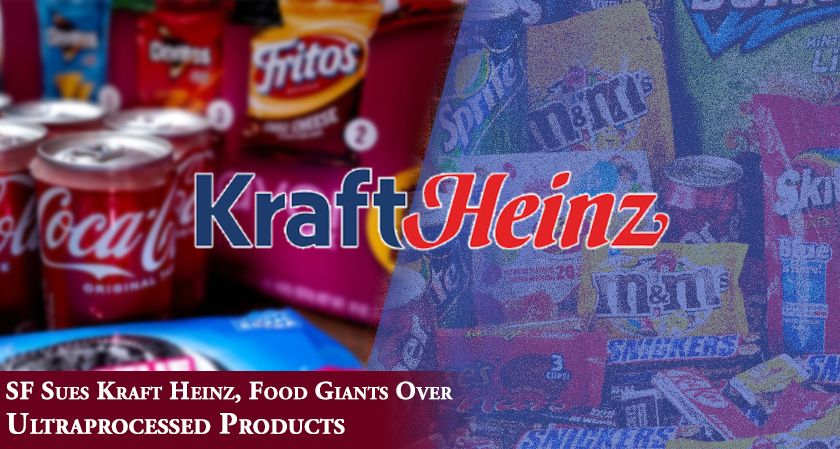
SF Sues Kraft Heinz, Food Gian...SF Sues Kraft Heinz, Food Giants Over Ultraprocessed Products
The Silicon Review
04 December, 2025
Author:
The Silicon Review Team
San Francisco files a landmark lawsuit against Kraft Heinz, Coca-Cola & Nestlé, alleging they engineered a public health crisis with ultraprocessed foods.
San Francisco has filed a first-of-its-kind lawsuit, targeting food giants Kraft Heinz, Coca-Cola, and Nestlé in a landmark legal offensive. The city's complaint alleges these corporations knowingly engineered a public health crisis through the aggressive marketing and sale of ultraprocessed products, directly burdening municipal healthcare systems with soaring treatment costs. This legal action creates immediate strategic ripple effects, placing regulatory scrutiny squarely on the entire consumer packaged goods (CPG) sector and its product formulation practices, potentially opening the door for similar suits nationwide.
This bold litigation contrasts sharply with the industry’s longstanding self-regulatory approach. While companies have touted incremental recipe changes and voluntary labeling, the city’s lawsuit presents a stark, accountability-first narrative. The core argument that this product are designed to be addictive and harmful shifts the focus from consumer choice to corporate responsibility. The case's success will hinge on proving causation in court, a high legal bar, but its mere filing is a powerful deliverable. It forces a public reevaluation of who bears the cost for chronic diseases linked to diet, placing the onus on manufacturer liability.
For industry leaders, the implications are profoundly financial and operational. The lawsuit signals a new era of legal and reputational risk, necessitating a strategic review of portfolio composition and long-term ingredient transparency. Investments must now prioritize genuine reformulation over marketing optics. The forecast is clear: the defensive posture of “consumer education” is no longer sufficient. Proactive partnerships with public health entities and a demonstrable pivot toward healthier offerings are becoming critical to corporate sustainability. This legal challenge may well catalyze a fundamental restructuring of food industry standards, moving beyond voluntary pledges to enforceable change.



















