>>
Industry>>
Cryptocurrency>>
Why Modern Crypto Wallet Solut...Why Modern Crypto Wallet Solutions Are Becoming Central to Digital Financial Autonomy
The Silicon Review
06 December, 2025
Author:
The Silicon Review Team
As digital assets continue to play a growing role in modern finance, the tools that support their storage and management have become equally important. Among these tools, the crypto wallet stands at the center of user interaction with blockchain networks. What was once viewed as a niche utility for early adopters is now a core component of how individuals and businesses secure, transfer, and control digital value.
The evolution of crypto storage reflects broader shifts in the financial and technological landscape — particularly the rising demand for privacy, autonomy, and self-custody. As the global crypto ecosystem matures, users are reassessing how they manage their assets and what level of control they want to retain.
The Expanding Role of the Crypto Wallet in Digital Finance
A crypto wallet is more than a simple container for digital coins. It is a gateway to decentralized finance, enabling users to interact directly with blockchains without intermediaries. For many, it represents a foundational piece of digital identity, tied closely to personal financial sovereignty.
Unlike traditional banking tools, a crypto wallet does not store funds in the conventional sense. Instead, it manages private keys — the cryptographic credentials required to access assets on the blockchain. This fundamental design makes wallets a cornerstone of decentralized ownership and a primary target for innovation and security advancements.
As cryptocurrencies become embedded in payment systems, savings strategies, cross-border commerce, and digital services, wallets are naturally transforming to meet a wider range of needs.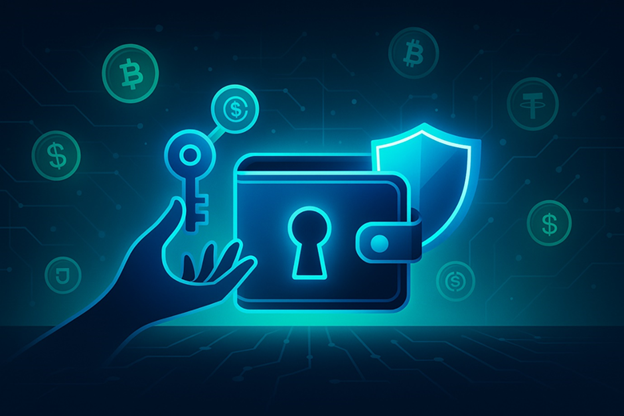
The Shift Toward Non-Custodial Wallets and User Control
One of the most notable trends in recent years is the rapid shift toward non-custodial wallet solutions. In this model, users retain full control of their private keys instead of storing assets with an exchange or centralized entity.
This shift is driven by several important factors:
- Increasing Awareness of Custodial Risks
High-profile exchange failures and regulatory interventions have highlighted the vulnerabilities of relying on centralized custodians. When third parties control private keys, users may lose access to their assets during outages, seizures, or operational issues.
- The Rise of Self-Sovereign Ownership
Non-custodial solutions empower individuals to manage their holdings independently, aligning with the original ethos of decentralized finance. For many, this level of personal control is no longer optional — it is a requirement.
- Growing Demand for Data Minimalism
Users increasingly prefer tools that collect minimal personal information, especially when dealing with financial assets. This trend has accelerated interest in privacy-focused crypto wallet models.
Together, these factors are redefining how users interact with digital assets, giving non-custodial wallets a central role in modern crypto infrastructure.
Privacy-Focused Wallets in a Changing Regulatory Environment
As regulators intensify oversight across global crypto markets, privacy has become a critical concern for users. Many fear that excessive data collection may compromise both personal security and financial autonomy. This has created rising demand for a crypto wallet that minimizes identity requirements and reduces exposure to third-party systems.
At the same time, businesses facing compliance pressures are also evaluating solutions that allow them to operate efficiently while aligning with user expectations for confidentiality. Balancing privacy and security has therefore become a defining challenge of the next phase of wallet development.
BitHide as an Example of a Modern Privacy-First Crypto Wallet
One example of a privacy-oriented crypto wallet that reflects these market trends is BitHide. BitHide offers a no-KYC, non-custodial approach that aligns with the growing preference for self-managed wallet infrastructure. Its design gives users full control over their private keys while eliminating the need to disclose unnecessary personal information.
BitHide supports widely used digital assets, including BTC, ETH, USDT, USDC, TRX, and BNB, making it suitable for a diverse range of use cases. Because it is built around personal autonomy, the wallet allows individuals and businesses to interact with crypto ecosystems without depending on custodial platforms.
This approach highlights how privacy-first tools are becoming increasingly relevant as users seek solutions that provide both flexibility and independence. While BitHide is not the only option available, it represents a modern direction within the industry — prioritizing user control, simplicity, and minimal data exposure.
Implications for the Future of Digital Ownership
The growing emphasis on self-custody suggests that the future of digital finance will be more decentralized, user-centric, and adaptable. As more individuals and organizations adopt non-custodial wallets, several broader implications emerge:
- Greater resilience in financial systems
Reduced reliance on centralized entities increases durability against outages or failures. - Strengthened user autonomy
Individuals gain more meaningful control over their assets and data. - Expansion of crypto use cases
Wallets are evolving into multifunctional platforms supporting payments, identity, DeFi, and more. - A more privacy-conscious digital ecosystem
User demand is pushing developers to prioritize confidentiality without sacrificing utility.
These changes reflect a natural progression as the world moves further toward decentralized financial infrastructure.
Conclusion
In today’s fast-moving digital economy, the crypto wallet is no longer a niche tool — it is an essential component of how users interact with cryptocurrencies and decentralized applications. The rising preference for non-custodial, privacy-focused solutions underscores a broader desire for autonomy, reduced dependency on centralized platforms, and better control over personal data.
Examples like BitHide demonstrate how wallet technology is adapting to meet these expectations, providing users with greater independence and flexibility. As digital asset ecosystems expand, the importance of secure, user-controlled wallets is expected to grow, shaping the future of digital ownership for years to come.