>>
Industry>>
Supply chain management>>
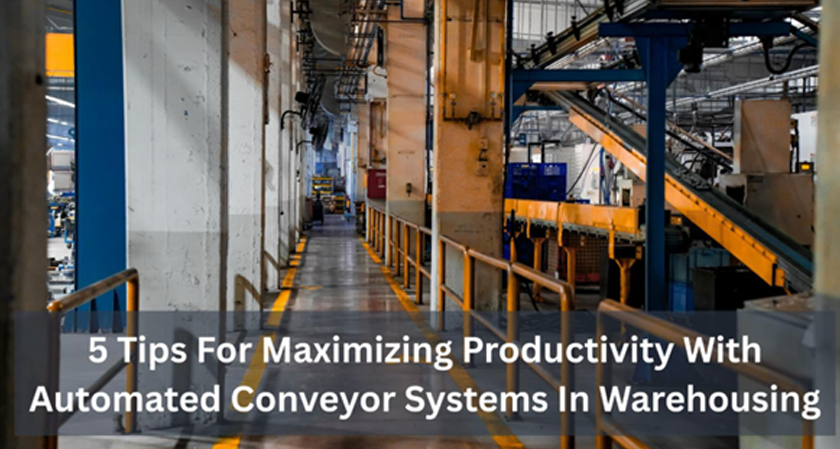
5 Tips For Maximizing Producti...5 Tips For Maximizing Productivity With Automated Conveyor Systems In Warehousing
The Silicon Review
13 January, 2026
Author:
The Silicon Review Team
All warehouse managers are familiar with the pain of bottlenecks.
One day, your team is sailing through order fulfillment, and the following day, delays are experienced due to a process that is supposed to be completed in seconds but is taking minutes.
Manual material processing slows down the operations, risks errors, and consumes the energy of staff. At the same time, the demand of customers to deliver goods at a quicker pace continues to increase, forcing you to seek a means to streamline all aspects of your business. This is where an automated conveyor system really comes into play.
Automated conveyor systems ensure products are on the go; less labor is used, hence you scale without pressure. The true payoff, however, is seen in applying automation to achieve high throughput and reduced downtime, as well as a workflow that is more reliable.
This article reveals five tips on how you can maximize productivity with automated conveyor systems in your warehouse.
1. Plan Your Conveyor Layout to be Flow-Optimized
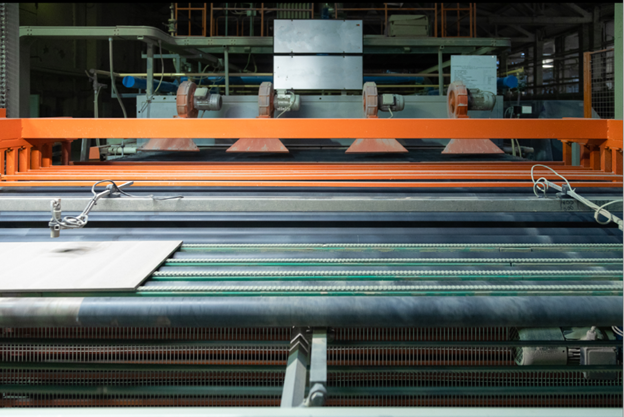
When you incorporate conveyor system into your warehouse, you will be aiming at eliminating unneeded movement and optimizing flow. Products must be automatically moved through conveyors from the receiving area to the storage facility and then to the packing and shipping area.
Considerate layout planning lessens cross-traffic and averts gridlock, which directly increases productivity. Start by tracing the present material flow patterns and pinch points. Establishing a conveyor route therein, design it in such a way that it undertakes coherent processing steps, and reduces turns and breaks in the working cycle.
Since modular conveyor systems can be modified, you can make minor adjustments to your layout as your operation evolves. Creating room to expand in the future will save expensive re-designs. The flow of items in a continuous, unbroken flow provides a greater synergy between pickers, packers, and automated systems at work, with deadlines being met with confidence.
2. Optimize Throughput with Buffer and Speed Control
Dynamically controlled throughput is one of the advantages of automated conveyor systems. Variable-speed drives and buffer zones can help you to equalize the flow rates in various areas. For example, when packing stations are slower than the upstream processes, short buffer queues are used to prevent upstream stoppages without slowing everything to the lowest possible speed.
The contemporary belt conveyors have a great variety of configuration choices and drive technologies that enable different speeds and handling needs. This kind of flexibility allows you to change the performance of the conveyor in real-time.
Remember that synchronization is essential: if conveyors unload products into a station too quickly, they may accumulate, leading to delays and the risk of damage. The appropriate conveyor speed of workers or automated sorters will provide a more relaxed rhythm in the warehouse.
3. Install Smart Controls and Sensors
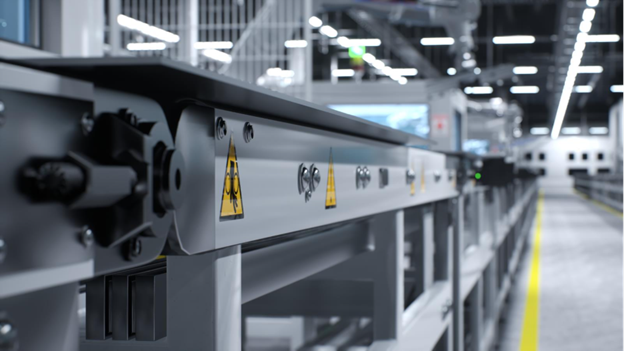
Smart automation is not about the movement of goods only; it is about being aware of the location of everything and responding in real time. Add sensors and controls to your conveyor systems to enhance visibility and responsiveness. Sensors can detect jamming, trigger a reduction in busy areas, and indicate that maintenance is needed.
For example, photoelectric sensors can monitor the presence of items, whereas barcode or RFID readers can track moving products. Once these sensors are connected to your warehouse control system, you will have real-time information on throughput, dwell times, and idle periods.
The result? Quick issue resolution and fewer surprises during peak periods. Such intelligence can also be used to assist in predictive maintenance, notifying your team of an impending outage of a component before it happens and creates undesirable downtime.
4. Maintenance and Spare Parts Management is Important
The lack of productivity is rapidly experienced when the automated conveyors are not in the optimal state. Any failure of belts or motors could stop one of the most important processes in your warehouse. Preventive maintenance is a must, but equally important is the availability of the correct spare parts.
Stock belts, bearings, drive components, and sensors according to use and wear rates. Since most conveyor systems are designed for easy replacement, your team can make repairs very quickly without waiting for service technicians.
Maintain documents and monitor component life cycles in order to replace them before a malfunction can be experienced. Proactive care will mean increased uptime, and you will not have to deal with costly interruptions that ripple through your production schedule.
5. Take Advantage of Modular and Scalable Conveyor Components
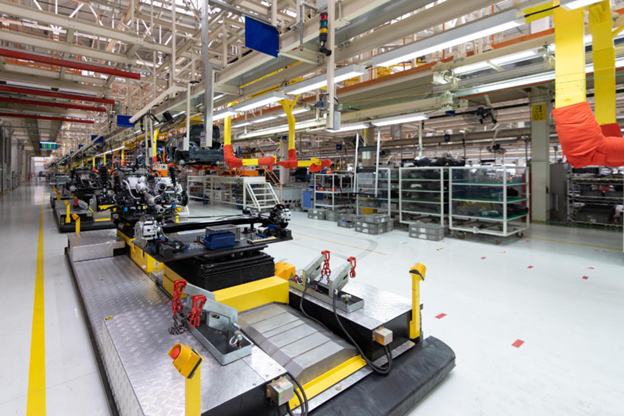
Scalability isn't a bonus; it's a necessity in modern warehousing. Your operations will change as product lines evolve, seasonal demand fluctuates, and new business goals emerge. Choosing modular conveyors that can be reconfigured or expanded allows you to adapt quickly without replacing entire systems.
Modular conveyor systems provide various configuration options and accessories that support specific handling needs, from heavy pallets to delicate packages. When growth requires adding a new line, you can extend your current conveyors or create new pathways without major disruption.
This flexibility also means you can repurpose sections of your system during downtime, maintaining productivity even when workflows shift. Ultimately, building in scalability ensures that your investment continues to pay dividends as your warehouse operations expand.
Final Thoughts
Maximizing productivity with automated conveyor systems is about intentional design, thoughtful integration, and ongoing care. By optimizing layout, tuning throughput with control systems, incorporating smart sensors, maintaining equipment proactively, and leveraging modular components, you create a warehouse that moves with purpose and precision.
Each of these practices builds on the others, ensuring your automation investment supports reliability, speed, and adaptability. Remember, automation isn't static - it evolves with your business.
The more you refine how your conveyors interact with people and processes, the more opportunities you unlock for efficiency gains. With the right strategies, automated conveyor systems become the backbone of a warehouse that meets demand confidently, keeps workflow seamless, and scales without compromise.