>>
Industry>>
Construction>>
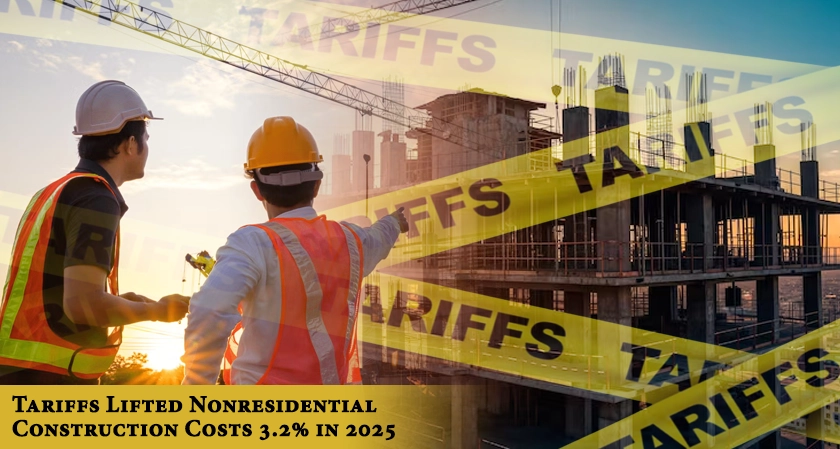
Tariffs Lifted Nonresidential ...Tariffs Lifted Nonresidential Construction Costs 3.2% in 2025
The Silicon Review
31 January, 2026
Author:
The Silicon Review Team
U.S. tariffs increased nonresidential construction costs by 3.2% in 2025, with continued upward pressure expected on key materials in 2026, economists report.
New economic analysis confirms that U.S. tariffs increased nonresidential construction costs by 3.2% overall in 2025. The analysis, cited by Associated Builders and Contractors (ABC) Chief Economist Anirban Basu, attributes the rise directly to duties on key imported materials such as steel, aluminum, and certain electrical components. Basu warned that existing trade policy will "continue to put upward pressure on certain materials" throughout 2026, adding to already high inflation in the commercial and industrial construction sectors.
The cost escalation has been most acute for structural steel, fabricated metal products, and wiring devices, which are heavily reliant on global supply chains. This sustained pressure complicates project budgeting and bidding for contractors, who are struggling to absorb or pass on the increases amid competitive markets. The ABC's data underscores how geopolitical trade strategies are translating into tangible increases in the cost of building offices, warehouses, factories, and infrastructure across the United States.
"Contractors entered 2025 expecting some relief from material price volatility, but tariffs have instead become a persistent, structural driver of inflation for key inputs," stated Anirban Basu. "For developers and owners, this means the pre-construction cost estimating process now requires a dedicated risk premium for potential trade policy shifts."
This analysis quantifies a significant, often debated, impact of recent U.S. trade policy on a critical domestic industry. The construction cost inflation driven by tariffs compounds challenges from high interest rates and labor shortages, potentially delaying or cancelling marginal projects. It highlights the direct connection between federal trade decisions and the financial viability of private and public building projects.
Economist anticipate that the cost impact will persist as long as the tariff regime remains in place, influencing supply chain decisions and material substitution strategies. Industry groups are expected to amplify their lobbying efforts for targeted tariff exclusions on construction-specific materials to mitigate the financial burden on upcoming projects.