>>
Industry>>
Metals and Mining>>
US Proposes SECURE Act to Coun...US Proposes SECURE Act to Counter China's Mineral Dominance
The Silicon Review
21 January, 2026
Author:
The Silicon Review Team
The proposed US SECURE Act aims to strengthen domestic supply chains and international partnerships to counter China's dominance in critical minerals.
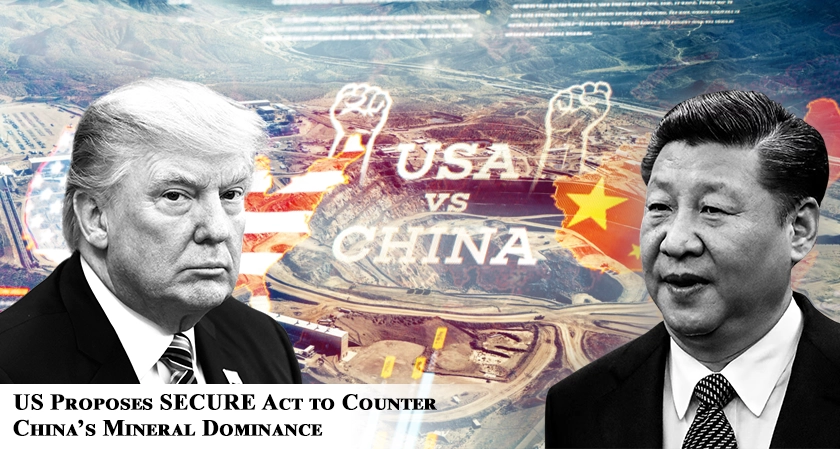
US lawmakers have introduced the proposed SECURE Act, a legislative framework designed to strategically offset China's dominant grip on global critical minerals supply chains. The act focuses on bolstering domestic mining and processing, fostering allied partnerships with resource-rich nations, and investing in recycling and alternative materials innovation. This legislative move represents a concerted effort to reduce strategic dependencies on a single foreign supplier for minerals essential to defense, technology, and the clean energy transition.
The proposed legislation would streamline permitting for domestic mines, provide tax incentives for onshore processing, and create a new strategic stockpile mechanism. This policy initiative matters because it directly addresses a recognized national security vulnerability and economic risk. For the metals and mining industry, it signals potential regulatory support and investment for projects that align with supply chain resiliency goals, potentially reshaping investment flows and project feasibility within North America and allied countries.
For industry executives and geopolitical analysts, the implication is a more active and strategic US government role in mineral markets. The forecast is for heightened competition with China for access to resources in Africa, South America, and Australia, framed as a broader technological rivalry. Decision-makers in mining and manufacturing must now model scenarios incorporating potential subsidies and streamlined regulations. The next imperative for policymakers is to ensure the act, if passed, effectively balances environmental standards with security imperatives and fosters genuine, mutually beneficial partnerships with producing nations to build a durable and ethical alternative to existing concentrated supply chains.