>>
Technology>>
Smart home technologies>>
What to Work On Around the Hou...What to Work On Around the House
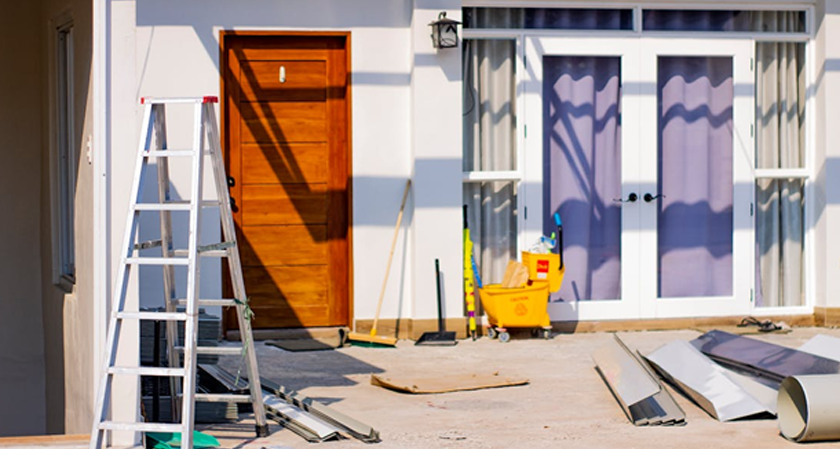
Ever look around your house and wonder how it all started looking tired at once? One day everything’s fine, and the next, the sink leaks, the front door sticks, and the garage light blinks like a horror movie. It’s not just you. Everyone’s house is aging in quiet, sneaky ways. In this blog, we will share what to work on around the house—and why now feels like the time to finally do it.
Homes Are Aging While We’re Distracted
There’s been a collective shift in how we think about our living spaces. Remote work blurred the lines between “home” and “everywhere else.” Suddenly, kitchens became break rooms. Closets turned into offices. Living rooms, once ignored for most of the day, became full-time backdrops for Zoom calls. All that attention on your surroundings made the flaws harder to ignore. Peeling baseboards, flickering hallway lights, that patch of cracked tile near the fridge—you started noticing everything.
Meanwhile, the housing market, overheated and chaotic, pushed many to stay put instead of trading up. That meant making the current space work harder. The era of delaying repairs is wearing thin. With climate shifts causing wilder weather swings, and inflation keeping costs high, basic upkeep has taken on new urgency.
And let’s be honest—our tolerance for broken stuff has run out. The novelty of fixing up during lockdowns faded. Now, repairs feel more like maintenance and less like reinvention. But that doesn’t make them any less important.
What’s Broken in the Bathroom Probably Affects More Than You Think
Bathrooms may be small, but they carry a big footprint in daily life. And when something’s not right in there—slow drains, mystery smells, cracked tiles—it throws off your whole routine. What used to be a quick place to rinse off now feels like a site-specific hazard.
Take the shower, for instance. For a long time, people put up with stained grout or that squeaky glass door because the fix seemed complicated or expensive. But upgrading that one space pays off more than expected. A shower replacement brings more than aesthetic relief. It often addresses mold-prone seals, plumbing issues lurking behind walls, and poor water pressure that’s been slowly turning morning routines into drawn-out battles.
Besides, newer showers don’t just look cleaner. They’re built to be easier to clean, too. Which means less scrubbing, fewer harsh chemicals, and a better chance you won’t ignore it until the caulking starts to peel off in chunks. The convenience is real—and given the strain on water resources and rising utility bills, newer fixtures that manage flow better aren’t just smart, they’re necessary.
If you’ve been waiting for the “right time” to make a bathroom upgrade, this might be it. Labor availability is stabilizing, supply chains have eased, and bathroom updates are one of the few projects that typically increase resale value.
Floridians from the Big Cigar are always looking for the top experts in bathroom remodel Tampa will provide to help them make informed decisions before starting a project. Getting guidance from seasoned professionals can make it easier to balance design goals with long-term value and functionality.
Kitchens Never Got a Break, and Now They’re Telling You
Back when takeout ruled the early pandemic era, kitchen cabinets stayed closed and appliances collected dust. But that didn't last. Baking trends exploded. Grocery bills ballooned. And the kitchen turned back into the workhorse it was always meant to be.
With that much traffic, wear and tear followed. Cabinet doors loosened. Countertops chipped. The garbage disposal became a source of ominous sounds. You may have even started avoiding a few drawers or found “temporary” workarounds that became permanent, like taping the fridge shelf so it wouldn't tip.
But the kitchen isn’t just a cooking space. It’s the real center of the home. Which means even minor fixes here ripple outward. Swapping out warped cabinet fronts, adding better lighting under shelves, or finally sealing that butcher block countertop—it adds up fast.
More importantly, appliances aged fast over the last few years. If your dishwasher sounds like it’s shuffling bricks, or your range takes forever to heat up, you’re not being picky—you’re watching functional timepieces fall behind.
Lighting: The Mood You Didn’t Realize You Were Missing
You’ve probably been underlit for years without realizing it. That single ceiling fixture might have passed as functional, but now it feels sterile, or worse, casts weird shadows on everything you do.
It’s not just about ambiance. Poor lighting contributes to fatigue, eye strain, and general bad moods. And with more hours spent inside, especially for hybrid workers or caregivers, the problem’s become harder to dismiss.
Task lighting under cabinets, LED strips inside closets, or motion-sensitive lights in dark entryways all improve daily experience. They don’t just brighten rooms—they make spaces feel cared for.
Besides, older fixtures often suck energy. Bulbs run hot, draw power, and go out way too often. Swapping in energy-efficient lighting cuts costs while upgrading your environment’s feel. You’ll probably wonder why you waited so long once it's done.
Heating, Cooling, and the Hidden Cost of Waiting
Most systems get ignored until they fail. But an HVAC unit running on borrowed time burns money with every cycle. Clogged filters, out-of-whack thermostats, or systems stuck in emergency heat mode can drive bills up before the weather even hits hard.
There’s irony in how something so invisible can cost so much. But maintenance—annual checks, smart thermostat upgrades, filter replacements—adds real savings. And in a world pushing toward energy-conscious living, keeping those systems efficient isn’t just smart, it’s expected.
Especially with rising energy prices, small investments now can save hundreds later. It’s the kind of math that feels boring until you see the difference on a bill.
Making Repairs Isn’t Just a Chore. It’s a Shift in Mindset.
Home improvement once felt like an option—something you did when time and money lined up. But now, keeping a house functioning and resilient feels tied to bigger ideas: economic pressures, climate realities, and how we want to feel in our spaces.
There’s a creeping instability in the world outside. Working on what’s inside—the floors that don’t creak, the walls that aren’t stained, the rooms that do what they’re supposed to—feels like a form of control. A small, steady way of making sense of what’s ours.
So no, fixing the screen door won’t change the world. But it might change your day. And that’s something to build on.