>>
Industry>>
Clean energy>>
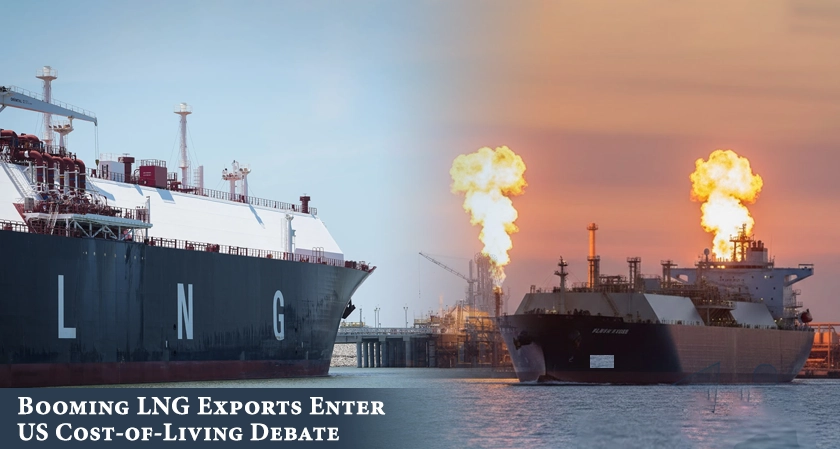
Booming LNG Exports Enter US C...Booming LNG Exports Enter US Cost-of-Living Debate
The Silicon Review
18 February, 2026
Author:
The Silicon Review Team
Federal forecasters warn that surging LNG exports are driving up domestic natural gas prices, threatening to worsen America's affordability crisis and ignite political debate.
America's booming liquefied natural gas exports are increasingly colliding with the nation's cost-of-living crisis, as federal analysts warn that shipping massive volumes abroad could raise costs for consumers at home . The United States is now the world's largest LNG exporter, shipping over 111 million metric tonnes in 2025, with eight terminals consuming more gas than all 73 million U.S. households combined. About 20% of domestic production is now exported, up from just 5% a decade ago.
The affordability implications are stark. The U.S. Energy Information Administration projects that LNG exports will push Henry Hub prices 16% higher in 2026, climbing to approximately $4.60 per million British thermal units by 2027 as demand outpaces production growth . Consumer advocacy group Public Citizen estimates American households have already paid $12 billion more for natural gas since early 2025, with the average family facing $124 in additional utility costs.
The political tension is unmistakable. President Trump promised during the 2024 campaign to cut energy bills in half within 12 months, but electricity prices are rising at twice the inflation rate. Federal regulators approved sufficient LNG expansion under previous administrations to double export capacity by 2029, and Trump has enthusiastically embraced exports as part of his "energy dominance" agenda.
Critics argue the administration is bargaining away the benefits of the fracking revolution. "The only outcome here is a far more expensive domestic energy bill for Americans," said Tyson Slocum of Public Citizen . The Natural Gas Act of 1938 requires the Department of Energy to determine whether exports serve the "public interest," and consumer advocates are calling for conditional approvals that could limit shipments if domestic prices spike.
Industry groups dismiss these concerns, noting that production has consistently grown faster than exports and that a decade of export growth hasn't produced steady price increases. But with AI data centers also driving power demand, Columbia University analysts warn the affordability issue will inevitably become a political liability.