>>
Technology>>
It service>>
APAC's AI Infrastructure Crunc...APAC's AI Infrastructure Crunch: The Roadblock Is More than Building Capacity
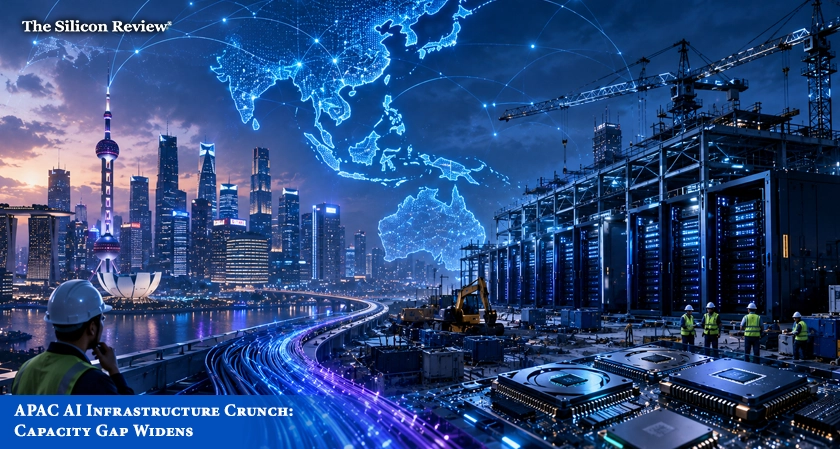
Asia Pacific is facing an AI infrastructure crunch as demand for compute capacity outpaces supply, with challenges extending beyond hardware to include energy, talent, and regulatory hurdles.
Asia Pacific is facing a significant AI infrastructure crunch as demand for compute capacity continues to outpace supply. The region is struggling to build enough data centers, secure adequate energy, and develop the talent needed to support the rapid adoption of artificial intelligence.
"The AI infrastructure gap in Asia Pacific is widening," said a technology analyst. "It's not just about building more data centers; it's about addressing the entire ecosystem, from energy to talent to regulation."
The APAC AI infrastructure capacity crunch is being driven by several factors. The region is home to some of the fastest-growing AI markets in the world, including China, India, and Southeast Asia. However, the supply of compute capacity has not kept pace with demand, leading to bottlenecks and delays.
"We are seeing significant delays in AI project deployments due to infrastructure constraints," said a technology executive. "The demand for GPUs and other AI-specific hardware is outstripping supply."
The Asia Pacific AI infrastructure challenges extend beyond hardware. Energy availability is a major concern, with data centers requiring significant amounts of electricity. Regulatory hurdles and land availability are also slowing the development of new data centers.
"Energy is becoming a critical constraint for AI infrastructure in Asia Pacific," said an energy analyst. "Data centers are energy-intensive, and in many parts of the region, the grid is already under strain."
The AI data center capacity APAC needs to add over the next five years is significant. To meet demand, the region will need to invest billions in new infrastructure, while also addressing the talent shortage and regulatory barriers.
"The APAC AI roadblocks infrastructure is not just about capacity," added the analyst. "It's also about ensuring that the infrastructure is sustainable, secure, and resilient."
Governments across the region are taking steps to address the crunch, including investing in renewable energy, streamlining regulations, and supporting AI education and training programs.
Here is the question this crunch raises. APAC is facing an AI infrastructure capacity crunch, with challenges extending beyond building capacity. When demand outstrips supply, what will it take for the region to close the gap?
As Asia Pacific confronts its AI infrastructure crunch, The Silicon Review asks a final question. When the roadblock is more than building capacity, what will it take to build a sustainable and resilient AI ecosystem?
FAQ:
Q: What is driving the APAC AI infrastructure capacity crunch?
A: The crunch is being driven by rapid AI adoption, supply chain constraints, energy availability, regulatory hurdles, and a shortage of skilled talent.
Q: What are the key challenges for AI infrastructure in Asia Pacific?
A: Key challenges include hardware shortages, energy constraints, land availability, and regulatory barriers.
Q: How is the APAC AI infrastructure crunch affecting businesses?
A: Businesses are facing delays in AI project deployments, increased costs, and difficulty accessing compute capacity.
Q: What is being done to address the APAC AI infrastructure crunch?
A: Governments and businesses are investing in renewable energy, streamlining regulations, and supporting AI education and training programs.
Q: What is the outlook for AI infrastructure in Asia Pacific?
A: The outlook is positive, but significant investment and policy support will be needed to close the infrastructure gap.













Comments