>>
Industry>>
Automotive>>
Automotive Skills Revolution: ...Automotive Skills Revolution: Can Skill Development Drive India’s Next Big Automotive Transformation?
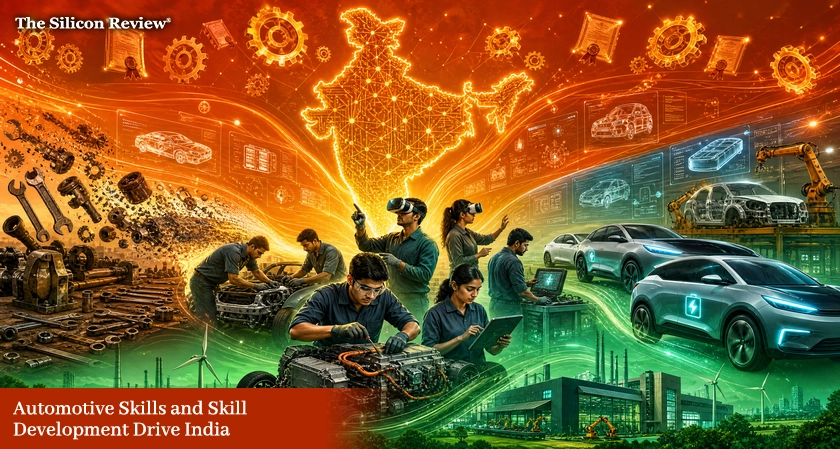
India’s automotive industry is entering a technology-driven era where automotive skills and skill development will decide who leads the future of mobility. But does the country have enough automotive skills to power this transformation?
The Indian automotive industry is changing faster than ever. India’s auto revolution is accelerating, but technology alone cannot drive the future. As electric vehicles, automation, and smart mobility reshape the industry, the real challenge is building enough automotive skills. Can skill development keep pace with a rapidly changing automotive world? Can India’s auto ambitions truly succeed?
The demand for automotive skills is rising rapidly as companies move beyond traditional vehicles toward smarter, cleaner, and more advanced mobility solutions. The Automotive Skills Development Council (ASDC) has stressed that stronger skill development is essential to prepare India’s workforce for this transformation.
Is India creating future-ready talent or simply chasing future-ready technology?
On World Youth Skills Day, ASDC highlighted the need for deeper collaboration between industry, government, academia, and training institutions to bridge the growing skills gap. The Council warned that as automotive technology evolves, workers must continuously upgrade their capabilities to remain relevant.
During FY 2025-26, ASDC impacted more than 5.08 lakh learners through training, certification, apprenticeships, e-learning, and higher education initiatives. It assessed and certified over 1.53 lakh candidates, engaged 2.88 lakh apprentices, and expanded its network with 322 new training centres across the country.
But can millions of trained learners solve the real problem industry-ready skills?
ASDC currently provides more than 135 industry-approved qualifications across manufacturing, service, sales, research and development, road transportation, WorldSkills, and apprenticeship programmes. It has also expanded digital learning, introduced automotive skill books, and established EV laboratories and Centres of Excellence to prepare youth for emerging roles.
Speaking on the occasion, Vinkesh Gulati, Chairperson of ASDC, said "The theme 'Skills for a Shared Future' reflects the collective responsibility of industry, government, academia and training institutions to prepare young people for tomorrow's economy"
India’s automotive future looks promising, but growth without talent could become a serious roadblock. Companies may invest billions in EVs, automation, and smart factories, but the success of these technologies will depend on the people operating and advancing them.
As the country races toward becoming a global mobility leader, The Silicon Review asks Is India’s focus on skill development moving fast enough or will the shortage of automotive skills become the biggest challenge standing between ambition and reality?
FAQ:
Q: Why are automotive skills becoming important in India?
A: The rise of electric vehicles, automation, artificial intelligence, and smart mobility is increasing demand for skilled professionals who can support the future of the automotive industry.
Q: What role does skill development play in the automotive sector?
A: Skill development helps create industry-ready talent by providing workers with the technical knowledge and practical abilities needed for emerging automotive technologies.
Q: What is the Automotive Skills Development Council (ASDC) doing?
A: ASDC is strengthening automotive skills through training, certification, apprenticeships, digital learning, industry qualifications, and advanced automotive education programmes.
Q: How is technology changing the automotive workforce?
A: Technologies such as electric vehicles, automation, connected cars, and smart manufacturing are creating new job roles that require advanced technical skills.
Q: Why is India facing a skills challenge in the automotive industry?
A: The automotive sector is evolving rapidly, and workforce training must keep pace with new technologies to avoid a shortage of skilled professionals.
Q: How many learners has ASDC impacted through skill development initiatives?
A: ASDC has impacted more than 5.08 lakh learners through training, certification, apprenticeships, e-learning, and higher education initiatives.
Q: What qualifications does ASDC provide?
A: ASDC offers more than 135 industry-approved qualifications across manufacturing, service, sales, research and development, transportation, and apprenticeship programmes.




















Comments