>>
Other>>
Infrastructure and development>>
How Can Electrical Infrastruct...INFRASTRUCTURE AND DEVELOPMENT
How Can Electrical Infrastructure Support Future Technology?
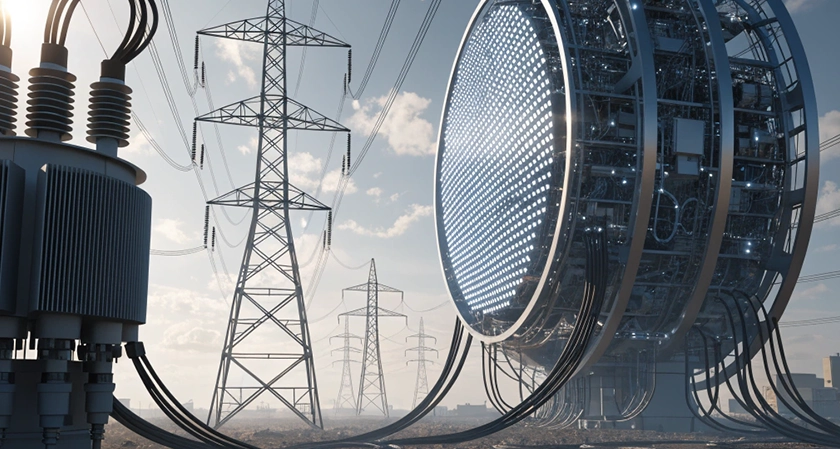
Technology continues to reshape manufacturing, healthcare, logistics, data centers, and commercial facilities. New equipment often requires different electrical specifications than older systems, making infrastructure planning more important than ever. Businesses evaluating voltage compatibility for expanding operations may benefit from learning how a 240v to 208v transformer supports specific power distribution requirements while helping facilities adapt to changing operational needs.
Technology Continues to Raise Power Demands
Modern facilities depend on advanced machinery, automation, digital controls, and connected devices. Each addition increases the importance of a reliable electrical system that can deliver consistent power across the operation.
Many organizations invest heavily in new technology while assuming their existing electrical infrastructure can support future expansion. As equipment changes, voltage requirements, load capacity, and power distribution often deserve equal attention during planning.
Facilities that evaluate electrical infrastructure alongside technology investments place themselves in a stronger position for future growth.
Electrical Flexibility Supports Business Growth
Business needs rarely remain the same throughout the life of a facility. Manufacturers introduce new production equipment, warehouses expand automation, and healthcare organizations install specialized systems with unique electrical requirements.
Flexible infrastructure allows these transitions to happen more smoothly. Instead of redesigning large portions of an electrical system each time equipment changes, businesses can prepare for future upgrades during earlier planning stages.
This approach reduces disruption while supporting long term operational efficiency.
Voltage Compatibility Matters
Every piece of electrical equipment is designed to operate within a specific voltage range. When incoming power does not match those requirements, facilities need a safe and reliable method to provide the proper voltage.
Careful planning helps engineers determine how electrical equipment will interact with existing infrastructure before installation begins. Addressing voltage requirements early reduces the likelihood of delays during commissioning and supports reliable equipment performance.
Understanding compatibility also helps organizations avoid unnecessary modifications after new equipment has already arrived on site.
Infrastructure Should Grow With the Business
Many facilities begin with enough electrical capacity for current operations. Over time, additional production lines, expanded office space, charging infrastructure, or new technology can increase overall demand.
Planning for growth creates opportunities to build flexibility into the electrical system. Engineers can evaluate future capacity, equipment placement, and distribution needs while major improvements are already underway.
This forward looking approach often reduces future disruption because infrastructure evolves alongside business requirements instead of reacting to them.
Reliable Power Supports Innovation
Innovation depends on dependable operations. Automated manufacturing systems, robotics, laboratory equipment, and digital infrastructure all rely on stable electrical performance.
Unexpected interruptions can affect production schedules, equipment calibration, customer commitments, and operational efficiency. While every organization develops its own approach to risk management, dependable electrical infrastructure forms an important part of business continuity planning.
Reliable power also gives organizations greater confidence when introducing new technology that may place different demands on the electrical system.
Collaboration Improves Project Outcomes
Successful infrastructure projects involve more than selecting equipment. Engineers, contractors, facility managers, utility providers, and equipment specialists all contribute valuable expertise throughout planning and installation.
Early collaboration helps identify electrical requirements before construction or expansion reaches critical milestones. Teams can evaluate existing infrastructure, confirm compatibility, review installation requirements, and prepare for future operational needs.
Open communication also reduces the likelihood of unexpected adjustments later in the project.
Maintenance Protects Long Term Performance
Supporting future technology involves maintaining today's infrastructure. Regular inspections, testing, and preventive maintenance help electrical systems continue operating safely and efficiently.
Maintenance teams can identify developing issues before they affect operations, allowing organizations to plan repairs during scheduled maintenance periods instead of responding to unexpected failures.
A proactive maintenance strategy also extends equipment life and helps organizations maximize the value of existing electrical assets.
Preparing Today for Tomorrow's Technology
Technology will continue to evolve across every industry. Facilities that prepare their electrical infrastructure alongside technology investments are better equipped to respond to changing operational requirements and future expansion.
Flexible planning, attention to voltage compatibility, regular maintenance, and collaboration between project stakeholders all contribute to resilient electrical systems. These practices help businesses introduce new equipment with greater confidence while supporting reliable operations for years to come.
As organizations pursue innovation, dependable electrical infrastructure remains one of the foundations that allows new technology to deliver its full potential.













Comments