>>
Industry>>
Chemicals and fertilizers>>
PFAS Contamination: Trump Offi...PFAS Contamination: Trump Officials Kill Sewage Fertilizer Rules amid Backlash
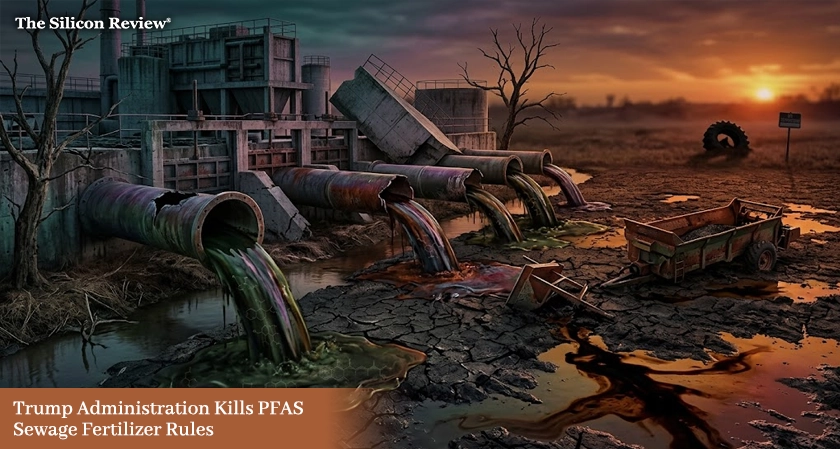
The Trump administration has scrapped proposed federal rules regulating PFAS-contaminated sewage fertilizer, a move critics say leaves millions of Americans exposed to toxic 'forever chemicals.'
The Trump administration has killed proposed federal rules that would have regulated the use of PFAS-contaminated sewage sludge as agricultural fertilizer. The decision, confirmed by the Environmental Protection Agency on Monday, has drawn sharp criticism from environmental groups and public health advocates who warn that it leaves millions of Americans exposed to toxic 'forever chemicals' through food and water contamination.
"This is a devastating blow to public health," said a spokesperson for the Environmental Working Group. "By scrapping these rules, the administration is prioritising industry profits over the safety of American families."
The proposed rules would have set limits on the concentration of PFAS chemicals in sewage sludge used as fertilizer and required testing and monitoring of PFAS levels. The EPA had been working on the rules for more than two years, but the administration has now abandoned the effort, citing concerns about the cost and feasibility of implementation.
"We are committed to protecting public health, but we also need to ensure that our regulations are practical and do not impose unnecessary burdens on farmers and industry," said an EPA spokesperson.
"We believe there are other, more effective ways to address PFAS contamination."
PFAS, or per- and polyfluoroalkyl substances, are a group of man-made chemicals used in a wide range of products, including non-stick cookware, waterproof clothing, and firefighting foam. They are known as 'forever chemicals' because they do not break down in the environment and can accumulate in the human body over time.
"PFAS contamination is a serious threat to public health, and it is deeply concerning that the administration has chosen to ignore the science," said a public health expert.
"Without these rules, farmers will continue to use contaminated sewage sludge on their fields, and PFAS will continue to enter our food supply."
The decision has also raised concerns about the broader regulatory approach to PFAS. Critics argue that the administration is failing to address the growing crisis of PFAS contamination, which has been linked to a range of health problems, including cancer, liver damage, and immune system disorders.
Here is the question this decision raises. The Trump administration has killed proposed rules for PFAS-contaminated sewage fertilizer, a move critics say leaves millions exposed to toxic 'forever chemicals.' When public health and industry interests collide, how should regulators balance the need for safety with economic concerns?
As the Trump administration kills proposed PFAS regulations, The Silicon Review asks a final question. When the science is clear that PFAS poses a serious threat to public health, what will it take for the government to act decisively to protect American families?
FAQ:
Q: What are PFAS?
A: PFAS (per- and polyfluoroalkyl substances) are a group of man-made chemicals used in non-stick cookware, waterproof clothing, and firefighting foam. They are known as 'forever chemicals' because they do not break down in the environment.
Q: What were the proposed rules for PFAS-contaminated sewage fertilizer?
A: The proposed rules would have set limits on PFAS concentration in sewage sludge used as fertilizer and required testing and monitoring of PFAS levels.
Q: Why did the Trump administration kill the proposed PFAS rules?
A: The administration cited concerns about the cost and feasibility of implementation, arguing that there are other, more effective ways to address PFAS contamination.
Q: How does PFAS-contaminated sewage fertilizer affect public health?
A: PFAS can accumulate in the human body over time and have been linked to cancer, liver damage, and immune system disorders. Using contaminated sludge as fertilizer can introduce PFAS into the food supply.
Q: What is the broader concern about the administration's decision?
A: Critics argue that the decision leaves millions of Americans exposed to toxic chemicals and reflects a broader failure to address the growing crisis of PFAS contamination.













Comments