>>
Industry>>
Architecture and interior design>>
Creating a Calm Lifestyle Thro...ARCHITECTURE AND INTERIOR DESIGN
Creating a Calm Lifestyle Through Thoughtful Home Design
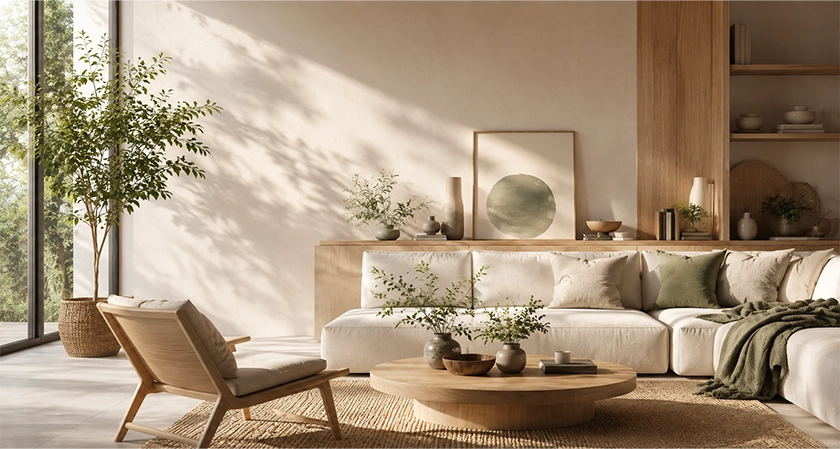
Modern life brings constant noise and busy schedules that leave little room for quiet moments. Turning a living space into a serene environment helps counter daily stress and gives mind and body a place to reset. Selecting pieces that bring ease to visual spaces makes returning home after work a comforting experience.
Designing a restful home does not require massive renovations or expensive remodels. Simple adjustments to layout, lighting, color, and visual elements create a noticeable change toward daily peace. Every room offers an opportunity to build a calming atmosphere through thoughtful design decisions.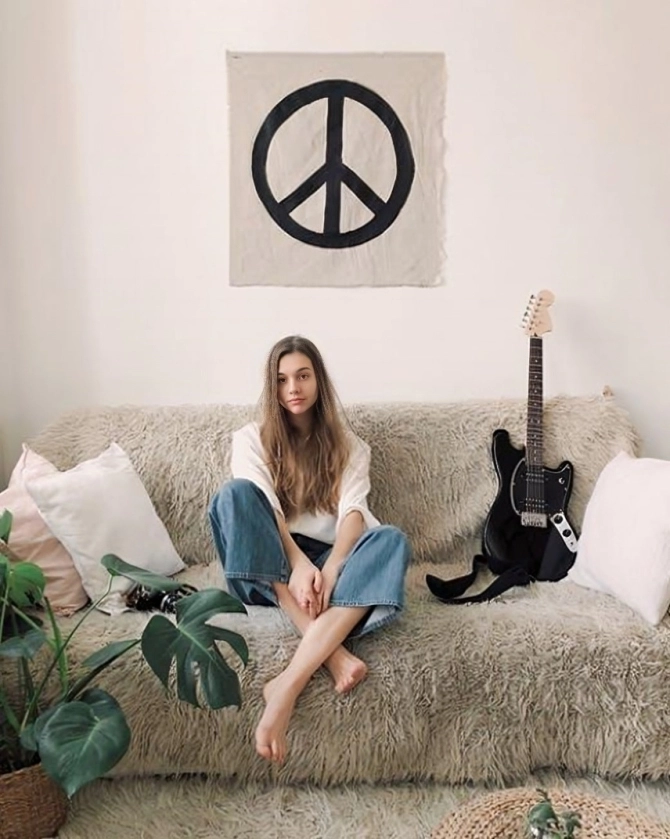
Prioritizing Intentional Choices in Every Room
Decorate a house with some thoughtful planning so that every corner feels inviting. Adding items such as decorative mirrors or handcrafted vases introduces a quiet charm that instantly settles the mood of a hallway or dining space. Small changes like these help transform ordinary rooms into peaceful retreats where family members can unwind after a long workday.
When each piece serves a specific purpose, rooms feel far less crowded. Selecting items with clear intention keeps counter surfaces clean and prevents unwanted visual stress. A tidy space promotes mental clarity throughout busy mornings and restful evenings.
Integrating Wildlife Art for Outdoor Harmony
Wildlife imagery brings the tranquil beauty of the outdoors straight into interior spaces. Artwork depicting quiet forest scenes or majestic animals establishes a soothing focal point on blank walls. Elements like a deer wall art collection bring a sense of tranquil outdoor harmony indoors. Choosing art featuring gentle woodland creatures or wide open vistas sets a contemplative mood.
Prints with soft lighting and natural scenery encourage quiet reflection during morning coffee. These visual elements remind occupants of nature's restful rhythm throughout busy weekdays.
-
Soft woodland scenes that capture early morning mist across pine forests
-
Subtle portraits of forest animals rendered in soft watercolor shades
-
Framed canvas prints depicting quiet mountain peaks under muted skies
Bringing Natural Textures Into Living Spaces
Natural materials bring soft tones and raw textures that lower tension in busy spaces. Wood grain, linen fabrics, and woven baskets create physical connections to the natural world right inside the home. Adding natural textures and serene art to living areas boosts psychological well-being at home.
Combining soft woolen rugs with smooth wooden coffee tables balances soft and hard surfaces effortlessly. Room layouts that celebrate organic textures feel warm without relying on heavy clutter. Layering tactile fabrics creates depth and preserves a relaxing room flow throughout the house.
Balancing Modern Interiors With Nature-Inspired Accents
Modern design choices sometimes risk feeling stark or distant if sleek surfaces dominate the room. Balancing clean lines with elements inspired by nature restores warmth to open floor plans. Design experts noted that pairing a minimalist layout with warm, nature-inspired decor creates a balanced atmosphere for modern living.
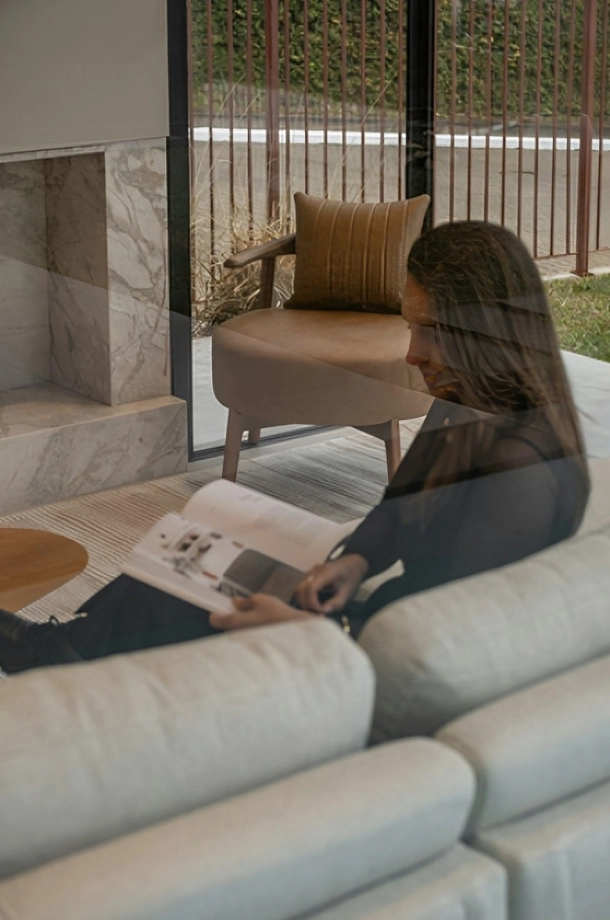
Swapping synthetic accents for clay vases makes rooms feel grounded. Subtle greenery placed near large windows connects indoor rooms with outdoor sunlight. Such a balance keeps living areas clean yet welcoming for family and guests alike.
Transforming High-Stress Areas Into Personal Sanctuaries
Home offices or entryway hallways gather energy quickly during morning routines. Rethinking how these high-traffic spots are arranged reduces daily friction for everyone in the house. Thoughtful spatial arrangement and subtle artwork can transform high-stress rooms into personal sanctuaries.
Clearing clutter off entryway tables and adding a single peaceful print changes the tone immediately upon entering the house. Orderly spaces give the mind permission to relax the moment you walk through the front door. Small spatial tweaks like these make sure high-stress zones stay organized and welcoming.
Grounding Rooms With Neutral Tones and Subtle Artwork
Bright colors can stimulate energy, but neutral color palettes establish an easy backdrop for rest. Earthy beige, soft gray, and warm cream shades keep rooms light while reducing visual noise. Selecting neutral color schemes and focal wall art helps ground a space.
Subtle artwork in simple wooden frames provides depth without overwhelming neutral walls. Soft lighting matched with toned-down colors turns master bedrooms into ideal restful sanctuaries. Neutral surroundings make seasonal updates easy without changing major furnishings or repainting walls.
Promoting Visual Stillness With Nature Motifs
Visual stillness is key when crafting an environment dedicated to relaxation and mental clarity. Wall art featuring gentle leaf patterns, peaceful streams, or forest animals offers a calming anchor for eyes weary from screens. Displaying nature motifs in living areas encourages emotional mindfulness and visual stillness.
Placing these natural motifs directly across from seating areas gives eyes a peaceful spot to rest during quiet afternoons. Thoughtful visual cues guide attention away from daily worries toward calm moments. Simple imagery keeps visual distractions to a minimum in shared family rooms.
Building a peaceful home environment is an ongoing practice of choosing elements that support quiet daily living. By focusing on intentional choices, natural textures, and subtle artistic features, any living space can become a space for relaxation. Taking time to curate your surroundings creates a comforting backdrop for everyday life.













Comments