>>
Industry>>
Healthcare>>
Beauty Gets Technical: Inside ...Beauty Gets Technical: Inside Modern Laser Treatments
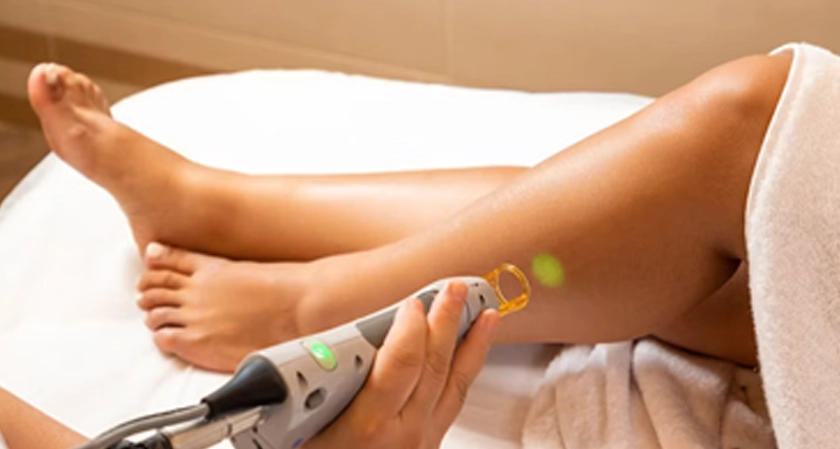
Skincare technology has changed how people approach personal beauty routines. Modern dermatology clinics offer high-tech tools designed to transform skin texture and tone with minimal disruption to daily life. Understanding these tools helps patients choose appropriate care paths for their personal goals.
High-Tech Skincare Meets Modern Science
Skin treatments changed dramatically as medical technology moved into neighborhood clinics. Many patients now seek advanced laser options when they want targeted skin rejuvenation without invasive surgery. The shift away from aggressive procedures means people can get noticeable improvements quickly.
These modern tools rely on focused light energy to target specific skin layers. Technicians adjust wavelength frequencies depending on whether they are treating pigmentation, fine lines, or texture irregularities. This level of control allows for tailored sessions suited to individual needs.
Equipment designs continue to incorporate advanced cooling mechanisms. Cooling technologies shield surface layers as heat reaches deeper tissues safely. Patients experience greater comfort throughout the entire treatment session.
Understanding How Skin Lasers Work
Light beams enter the skin layers where targeted cells absorb the focused energy. The energy turns into micro-heat pockets that gently trigger natural healing processes. This heat activity encourages fresh skin cells to replace older surface layers.
Medical research shows that innovations like fractional lasers have been more effective with reduced downtime. By leaving microscopic spaces of untreated skin between micro-beams, the tissue recovers much faster than with older methods. Patients return to work or social activities within days instead of weeks.
Collagen production increases steadily following treatment sessions. New collagen fibers form underneath, smoothing fine wrinkles and firming loose skin over several months. Results build progressively rather than appearing instantly.
Targeted Approaches For Acne Scars
Acne scars create uneven skin surfaces that traditional topical creams often struggle to fix. Focused energy beams break down rigid scar tissue under the surface without damaging upper layers. Smooth skin gradually forms as fresh collagen fibers fill in depressed areas.
Professional plastic surgery organizations note that laser skin resurfacing's targeted approach means there are fewer problems with hypopigmentation, or a lightening of skin, for procedures such as laser acne scar removal. This precision gives practitioners greater control during scar correction treatments. Patients with deeper skin tones benefit from these refined application techniques.
Scar remodeling requires a series of scheduled appointments for optimal results. Spacing sessions 4 to 6 weeks apart gives tissue ample time to repair and rebuild naturally. Gradual improvement creates long-lasting surface smoothing without harsh skin trauma.
Key Benefits Of Non-Invasive Light Therapy
Light treatments offer distinct advantages over traditional facial resurfacing methods. Technicians fine-tune light parameters to address individual skin concerns without harsh chemical peels.
- Rapid recovery schedules that fit busy personal lifestyles.
- Controlled application that limits harm to surrounding healthy skin tissue.
- Versatile treatment settings for multiple surface concerns.
Patients experience steady improvements after completing a full series of sessions. Skin feels firmer as internal cellular support systems rebuild over several weeks.
What To Expect During Treatment
Every successful clinical session begins with a comprehensive skin assessment. Clinicians evaluate current skin conditions, medical history, and specific aesthetic goals. This baseline evaluation protects safety and matches the right equipment to the patient's skin profile.
During the procedure, protective eyewear guards against intense light flashes. Technicians glide a specialized handpiece across designated skin sections as integrated cooling tips keep surface temperature comfortable. Sessions typically last between 20 and 60 minutes depending on treatment area size.
Mild redness and a warming sensation often occur right after treatment ends. These temporary side effects mirror a mild sunburn and subside rapidly over 24 to 48 hours. Most individuals resume normal activities on the same day.
Post-Treatment Care And Recovery
Proper aftercare helps lock in results and protects newly treated skin layers. Clinicians prescribe gentle cleansers and rich moisturizers to soothe the skin barrier during recovery. Avoiding direct sunlight is crucial during the initial healing window.
- Daily application of broad-spectrum sunscreen with high protection ratings.
- Avoiding harsh exfoliants or active retinoids for 7 to 10 days.
- Keeping skin thoroughly hydrated with non-comedogenic formulas.
Following proper protocols preserves initial skin improvements and prevents irritation. Long-term skin health depends on consistent daily protection habits.
Choosing The Right Clinical Setting
Selecting a qualified practitioner is a primary step toward achieving safe outcomes. Certified dermatologists and licensed cosmetic technicians understand skin anatomy and light physics thoroughly. Their experience helps prevent adverse reactions during intensive procedures.
A good practitioner conducts thorough consultations before recommending specific light protocols. They explain expected outcomes, clear up common misconceptions, and set realistic expectations. Honest guidance builds confidence and secures better long-term satisfaction.
Investigating provider credentials and reviewing patient feedback offers peace of mind. Quality clinics prioritize safety protocols, modern equipment maintenance, and thorough follow-up care.
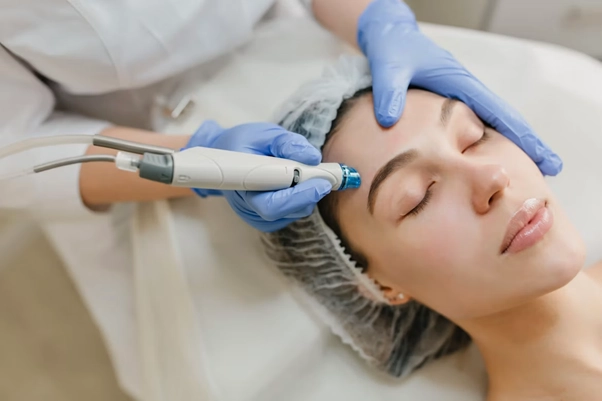
Modern light therapies offer effective ways to refine skin appearance without surgery. Advancements in medical technology continue to make treatments safer, faster, and more accessible. Exploring professional light options provides individuals with clear paths toward healthier skin.













Comments