>>
Industry>>
Healthcare>>
How Southeast Edmonton Clinics...How Southeast Edmonton Clinics Are Quietly Modernizing Patient Care
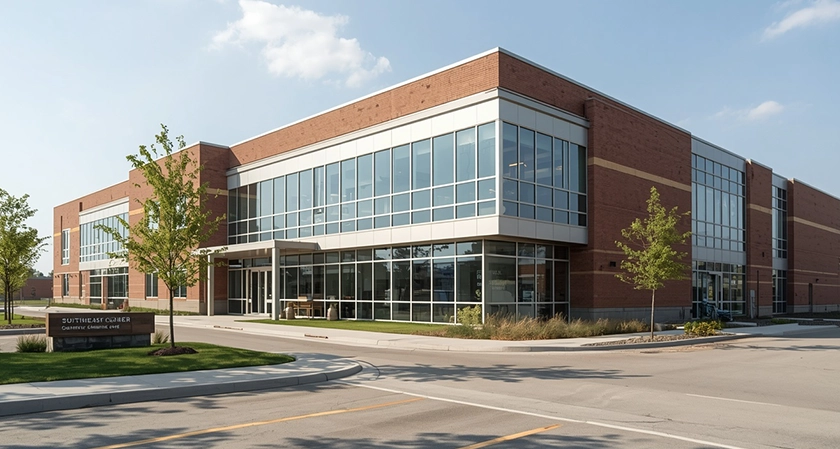
Twenty minutes. That is how long a patient sat on hold last winter trying to move a cleaning appointment before giving up and driving to a walk in clinic instead. That single wasted morning pushed the front desk manager to scrap the paper booking binder and rebuild the entire schedule around digital intake. The waiting room looked identical two months later, but the phone stopped ringing off the hook.
That story is playing out across the healthcare sector right now, and it is worth understanding why. Patients have quietly raised their expectations. They want to book from a phone, they want to know what something costs before they sit in the chair, and they want to feel like a person instead of a chart number. Clinics that notice this early are winning the loyalty battle without spending a dollar on advertising.
Why the Waiting Room Is the Last Place Patients Judge
Walk into any modern clinic and you will see the same shift. The clipboard is gone. The check in tablet takes ninety seconds. A screen on the wall tells you how far behind the schedule is running.
None of this is about gadgets. It is about removing small frustrations before they pile up. When someone is nervous about an appointment, friction feels ten times worse than it actually is. According to broad federal health data from Health Canada, access and convenience remain two of the biggest barriers people describe when talking about routine care. That is not a technology problem. It is a design problem, and it turns out that design is fixable.
Patients do not remember the specific software a clinic runs. They remember whether the process felt easy. I would rather see a clinic nail a simple online booking link than invest in a complicated patient portal nobody logs into twice.
Quieter Tools, Less Dread
The drills are quieter. The imaging is faster. A crown that once meant two visits and a temporary cap can now be planned and finished in a fraction of the time thanks to digital scanning instead of goopy impression trays.
That change matters more than people give it credit for. Avoiding an appointment out of dread is common, and every reduction in discomfort chips away at that avoidance. Modern equipment is also gentler on the operator, which means fewer rushed, cranky afternoons where everyone can feel the tension in the room.
I once watched a hygienist explain a gum chart to a patient using a tablet in about forty seconds. The patient asked two follow up questions and left understanding exactly what was happening. Same information, better delivery. That is the whole trick.
A Framework Worth Copying: The 3S Filter
Clinics that modernize successfully tend to run every operational decision through three filters I call the 3S system. It is simple enough to fit on a sticky note.
- Speed - Does this cut the time between a patient deciding they need care and actually receiving it?
- Simplicity - Can a first time patient understand it without instructions or a phone call?
- Softness - Does it reduce discomfort, anxiety, or embarrassment at any point in the visit?
If an update fails all three, skip it, no matter how impressive the sales pitch sounds. Most clinic software vendors lead with features. The 3S filter leads with the patient and quietly kills half your options in the first meeting. That is the point.
Hiring Is Where the Real Difference Shows Up
Technology is the easy part. Personality is harder to buy. A clinic can own every gleaming tool on the market and still lose patients to the office down the street where the front desk staff actually smiles.
The best run clinics hire for temperament first and train for skill second. They look for people who explain things twice without sighing. They look for people who notice when someone is gripping the armrest and slow down accordingly. Those traits do not show up on a resume, which is why smart managers do working interviews instead of relying on a stack of credentials.
Patients forgive a lot of small errors. They rarely forgive feeling like a nuisance.
The Cost Conversation Patients Actually Want
Sticker shock is the number one reason people postpone treatment, so the clinics that win do something radical: they talk about money early and without flinching.
A clear price list. A plain explanation of what insurance covers and what it does not. A short, honest sentence about payment options before the treatment plan gets signed. No surprises on the invoice, because surprises are what turn a one time patient into a former patient.
Broad labor and household spending data from Statistics Canada shows how much of a typical household budget goes toward essential services, and it explains why predictable pricing calms people down. Nobody enjoys spending on their teeth. Everyone prefers knowing the number in advance.
The Practical Checklist for Clinic Leaders
If you run a practice, here is a sequence you can act on without a big budget or a consultant. All five steps are free or low cost.
- Time how long it takes a new patient to go from your website to a booked appointment. If it is longer than three minutes, fix that first.
- Ask the last fifty patients one question: what almost stopped you from coming back?
- Rewrite your treatment plan handouts in eighth grade language and cut every technical term you cannot explain aloud.
- Put your prices on the wall, or at least in a document you hand over without being asked.
- Track no shows as a design problem, not a patient problem.
That last one gets pushback. Then a clinic adds a text reminder, sees the pattern change, and stops blaming people for forgetting a piece of paper. Scheduling software and simple reminders are table stakes now, not luxuries.
Where the Supply Side Meets the Chair
Governments and regulators are watching this shift too. Workforce and spending trends tracked by the OECD show that health systems worldwide are wrestling with the same equation: rising demand, limited staff, and a public that expects more convenience at every touchpoint.
That pressure is exactly why small clinics should care about operations. Every saved minute at the front desk is a minute returned to patient care. Every clear explanation replaces a follow up phone call. If you are comparing providers, it helps to think about what you actually need: an office that fits your neighbourhood and your routine, not just a name on a map. Families in the southeast part of the city, for example, often look for a dentist in Edmonton who can handle everything from a child's first checkup to a Saturday emergency, and that convenience is a legitimate reason to choose one office over another.
My advice is blunt. Judge a clinic on how easy it is to reach a human, how clearly the staff explains cost, and whether the chair feels calm when you sit down. Everything else follows from those three things.
What Changed, and What Did Not
The tools got better. The chairs got quieter. The software got faster, and the invoices got clearer. None of that replaces the part that actually matters, which is a person at the front desk who remembers your name and a clinician who slows down when you look nervous.
Modernization done right is invisible. You just leave feeling like it went well. So the next time you book an appointment, pay attention to the small stuff, the reminder text, the price sheet, the way someone explains the next step. That is where quality actually lives. What made you pick the clinic you go to now, and would you choose it again today?













Comments