>>
Industry>>
Real estate>>
Smart Irrigation Upgrades That...Smart Irrigation Upgrades That Protect Property Value
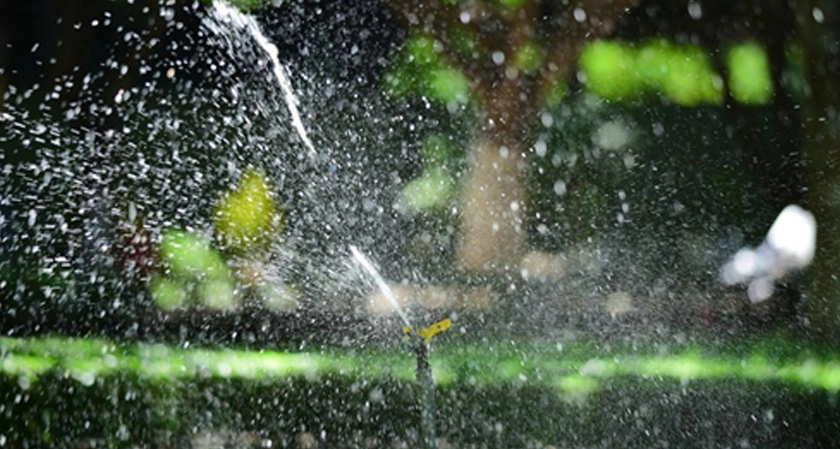
If you own, manage, or plan to sell property, your landscape irrigation system matters more than most people realize. A dry lawn, soggy flower bed, or mystery water bill can quietly hurt curb appeal and operating costs. In places like South Florida, where heat, rain, and strict water-use rules all collide, irrigation choices affect both appearance and resale value. A smart setup keeps your property looking sharp without wasting water or money.
Repairs Often Beat Full Replacement
When something goes wrong, your first thought might be total replacement. In many cases, that’s overkill. A targeted fix can restore performance without tearing up the entire yard or blowing your maintenance budget.
That’s where professional irrigation system repair becomes practical. A qualified team can diagnose whether the issue comes from wiring, valves, broken heads, pipe leaks, or controller settings. You get a direct fix instead of guessing and replacing parts like you’re playing lawn roulette.
Repairs also help preserve existing landscaping. Mature plants, established root systems, and finished hardscaping don’t always react kindly to major excavation. If your current system still has good bones, strategic repair work can bring it back to life and improve efficiency at the same time.
Why Irrigation Affects More Than Your Lawn
You might think irrigation is just about keeping grass green. It also shapes how buyers, tenants, and appraisers view the entire property. Patchy turf, dying shrubs, and muddy walkways create the impression that maintenance has slipped.
That perception spreads fast. If visible systems aren’t working, people may assume hidden systems need work too, from drainage to plumbing. Real estate value often rides on confidence, and irrigation problems chip away at it.
There’s also a financial angle. An inefficient system can drive up water bills month after month. For landlords and commercial property owners, those extra costs squeeze margins. For homeowners preparing to sell, poor irrigation can weaken first impressions before anyone even steps through the front door.
The Warning Signs You Shouldn’t Ignore
A broken irrigation system rarely announces itself with dramatic flair. It usually starts with small clues that are easy to dismiss until the damage grows. One sprinkler head sprays the sidewalk. Another zone doesn’t turn on. A section of lawn starts looking crunchy by Tuesday.
Watch for these red flags:
- Uneven watering across the yard
- Water pooling near foundations or walkways
- Sudden spikes in your utility bill
- Sprinkler heads that sputter, leak, or stay stuck
- Low water pressure in one or more zones
- Plants showing stress despite regular watering
These issues can point to cracked lines, faulty valves, controller problems, or pressure imbalances. Ignore them long enough, and your landscape starts losing the fight. Water always finds a way to make a simple problem expensive.
Smart Controls Can Reduce Waste Fast
If your irrigation timer still works like it’s 2008, there’s room for improvement. Modern controllers use weather data, soil conditions, and seasonal programming to water with much better precision. That means less runoff, fewer dry spots, and fewer moments where your sprinklers are watering during a rainstorm like they missed the memo.
Smart controls can help you:
- Adjust watering schedules remotely
- Match watering times to plant needs
- Reduce overwatering after heavy rain
- Spot irregular water use sooner
- Stay closer to local watering rules
For investment properties, this matters even more. Automated efficiency saves time for property managers and cuts unnecessary operating costs. Buyers increasingly notice these upgrades too. A water-smart landscape system signals that the property has been maintained with intention, not just patched together when problems got loud.
South Florida Properties Face Extra Irrigation Stress
Not every market deals with irrigation the same way. South Florida properties face a unique mix of blazing sun, sandy soils, heavy rains, and water restrictions. That combination can stress both landscapes and equipment.
Sandy soil drains quickly, so water doesn’t always stay where plants need it. Frequent storms can shift sprinkler heads, saturate certain zones, and expose drainage issues. Add intense UV exposure, and plastic components often age faster than owners expect.
If your property is in this region, local experience matters. A contractor who understands South Florida conditions can recommend better nozzle selection, proper zone calibration, and schedules that work with real weather patterns rather than generic settings. That local knowledge helps prevent the cycle of overwatering one week and emergency plant replacement the next.
Good Irrigation Supports Real Estate Strategy
Irrigation doesn’t sit in a silo. It connects directly to leasing, resale prep, HOA expectations, and long-term asset care. If you’re selling a home, healthy landscaping can sharpen listing photos and improve showings. If you manage multifamily or commercial property, reliable irrigation helps maintain a professional appearance that tenants notice.
It also supports risk management. Overspray can make walkways slippery. Saturated soil near structures can contribute to drainage issues. Water waste can trigger complaints or fines in areas with usage restrictions.
Think of irrigation as part of your property operations plan, not an afterthought. The best time to address inefficiency is before brown patches, dead plants, or high bills force the issue. Preventive maintenance may not be glamorous, but neither is explaining to a buyer why the front lawn looks like it gave up.
What to Ask Before Hiring an Irrigation Pro
Not all irrigation services bring the same level of skill. Some crews handle quick fixes well but miss the bigger performance issues behind them. Before hiring anyone, ask questions that reveal how they diagnose problems and whether they understand your property type.
Focus on practical points such as:
- Do they inspect the full system or only the visible issue?
- Can they test controllers, valves, and pressure levels?
- Do they understand local watering regulations?
- Will they recommend efficiency upgrades when useful?
- Can they work around existing landscaping without causing extra damage?
You want someone who treats irrigation as a system, not a pile of random parts. Strong repair work should improve coverage, reduce waste, and support the health of your landscape over time. That’s better for your budget and better for the property’s market appeal.
A Better Landscape Starts With Better Water Management
You don’t need a luxury estate to benefit from smarter irrigation. A small home, rental property, retail site, or office building all gain value from healthy landscaping and controlled water use. Good irrigation management protects the look of the property while keeping maintenance costs from creeping upward.
If your system is showing signs of trouble, delaying repairs usually makes the outcome worse. Leaks grow, stressed plants decline, and utility bills keep doing their annoying little climb. Quick action protects both the landscape and the investment behind it.
For real estate, details matter. Irrigation is one of those behind-the-scenes systems that becomes very visible when it fails. Keep it efficient, keep it maintained, and your property stands a much better chance of looking valuable because it actually is.













Comments