>>
Industry>>
Construction>>
Sustainable Roof Care Tips for...Sustainable Roof Care Tips for Long Property Life
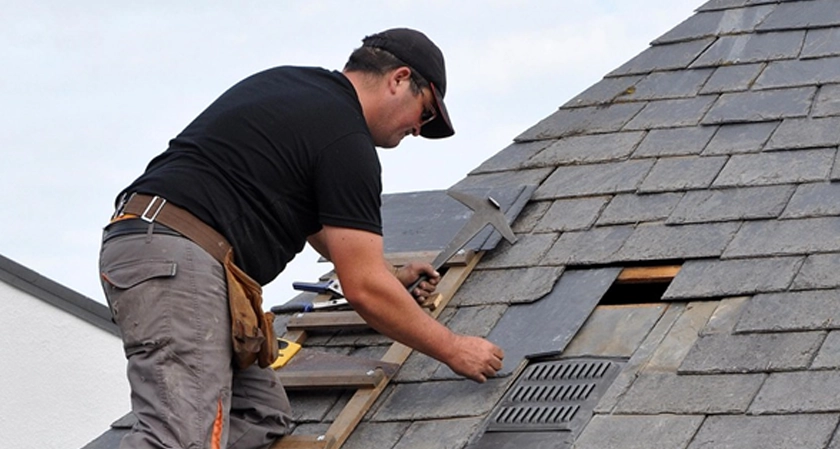
Commercial and residential real estate assets require proactive upkeep to protect equity values and lower long-term operating costs. Property owners who implement smart, sustainable maintenance strategies avoid costly structural overhauls and unnecessary material replacements. Strategic, low-impact maintenance protocols keep roofing systems functioning at peak performance for decades and reduce environmental disruption.
Strategic Lifespan Management for Natural Wood Materials
Smart asset management starts with understanding the structural potential of natural roofing materials. A recent industry report highlighted that standard shake installations maintain an average operational lifespan between 30 and 40 years when maintained correctly. Extending material longevity through scheduled care yields high investment returns for commercial building owners. Real estate portfolios benefit directly when facility managers prioritize long-term durability over reactive repairs.
Proactive preservation protects capital allocations by postponing costly roof replacements. Property managers who track maintenance schedules reduce unexpected budget shocks from sudden storm damage. Consistent structural oversight ensures building envelopes remain secure against changing climate conditions.
Eco-Friendly Maintenance Protocols for Cedar Roofing
Maintaining natural wood structures requires a specialized approach focused on preservation without structural degradation. Facility managers must learn to care for ageing cedar roofs by applying non-destructive cleaning techniques that preserve timber integrity over long operational cycles. Regular visual evaluations prevent small surface issues from escalating into expensive structural repairs.
Preserving wooden architectural elements protects property aesthetics and preserves core structural values. Timely interventions minimize timber erosion from harsh weather cycles and sunlight exposure. Sustainable maintenance plans maintain strong curbside presentation and reduce total lifecycle spending.
Seasonal Inspection Cycles and Preventive Care
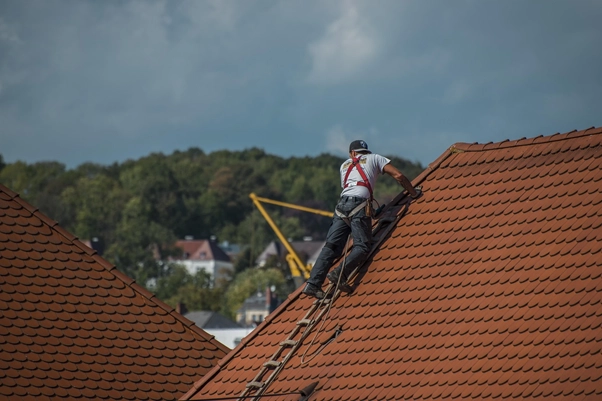
Routine checks form the backbone of any reliable building preservation plan. Building managers ought to conduct comprehensive roof evaluations twice per year during spring and autumn. Timely inspections spot organic buildup before moisture penetrates underlying decking layers.
Spring assessments evaluate winter ice damage and structural shifting across individual tiles. Autumn checks prepare timber structures for heavy snowfall and freezing temperature patterns. Catching minor cracks early prevents widespread water damage across interior roof framing.
Detailed inspection logs help facility teams track surface condition changes over multiple seasons. Documenting minor wear patterns allows maintenance crews to schedule minor repairs before structural integrity degrades. Organized record-keeping simplifies insurance reviews and supports accurate property valuation assessments.
Organic Debris Removal and Moisture Control
Tree canopies create persistent challenges for external building surfaces throughout the calendar year. Accumulated leaves, twigs, and organic debris retain excess moisture against wooden shingles, causing mold growth and timber decay. Unchecked organic mass creates ideal conditions for wood rot that undermines structural integrity.
- Clearing drainage channels and gutters regularly prevents pooled runoff.
- Trimming overhanging tree branches increases sunlight exposure across wood shakes.
- Removing leaf accumulation after autumn storms minimizes moisture traps.
- Clearing roof valleys keeps drainage pathways free from blockages.
Preventing moisture retention extends material performance and protects wooden substrate layers. Clean surfaces dry rapidly following rain events, limiting fungal spore growth. Consistent surface clearing remains one of the simplest methods to preserve structural stability.
Sustained dampness encourages moss colony growth that lifts shingles away from structural roof decking. Lifting shingles allows wind-driven rain to reach underlying underlayment sheets, causing hidden framing leaks.
Gentle Cleaning Methods versus High-Pressure Washing
Preserving material surfaces demands proper cleaning techniques that do not erode protective layers. Industry experts caution that high-pressure washing strips away natural protective wood granules and voids manufacturer warranties. High pressure creates micro-fissures in timber fibers that accelerate weathering.
Instead of harsh power washing, modern facility protocols favor soft washing techniques using low-pressure water application combined with appropriate eco-friendly cleaning agents. Soft washing removes surface contaminants safely and maintains original wood fiber strength. Property managers reduce long-term repair costs by enforcing gentle cleaning standards across maintenance crews.
Gentle application methods eliminate unwanted fungal spores without dislodging individual roof shakes. Low-pressure treatments allow cleaning solutions to penetrate deep surface pores without scouring natural wood grain.
Sustainable Eco-Friendly Treatments and Modern Solutions
Chemical treatments used on commercial properties should align with modern environmental compliance goals. Modern eco-conscious property stewards select water-based chemical treatments containing low VOCs to secure long-term wood protection safely. Low-VOC formulations protect surrounding landscapes and provide robust water repellency.
Natural wood fibers suffer severe deterioration when exposed to harsh industrial solvents or abrasive tools. Choosing soft eco-formulations preserves property values and advances sustainability commitments. Investing in green wood preservatives safeguards local ecosystems without compromising structural defense.
Eco-friendly wood sealants penetrate deep into wood fibers to replenish natural oils lost to sun exposure. Sustainable protective coatings deliver lasting weather resistance and support corporate environmental responsibility standards.
Sustainable building management requires combining regular inspection cycles with gentle, eco-friendly surface maintenance. Protecting building materials through smart preservation techniques maximizes property values and lowers total operating costs. Smart investments in preventive care deliver measurable long-term financial and environmental dividends.













Comments