>>
Industry>>
Construction>>
The Role Of Precision Grinding...The Role Of Precision Grinding In Modern Floor Renovations
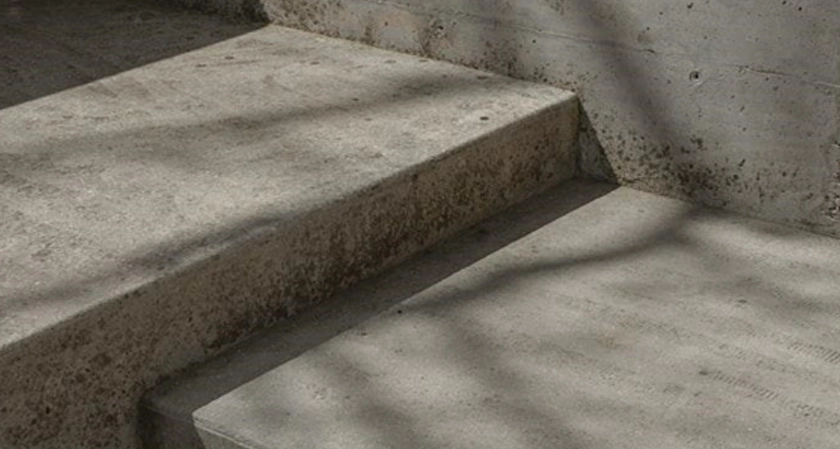
Modern floor renovation projects rely heavily on precision grinding to achieve clean, durable surfaces. Traditional floor removal methods often leave behind rough patches, uneven slabs, and lingering adhesive residues that ruin new flooring installations.
By using modern grinding techniques, contractors can transform damaged concrete surfaces into smooth, perfectly level foundations. This process prepares the surface for fresh coatings, polishes, or new coverings while extending the lifespan of the underlying subfloor.
Surface Preparation and Adhesive Removal
Old adhesives and epoxy coatings can create major headaches during a remodeling project. Grinding equipment clears away thick residues, paint layers, and stubborn glues without damaging the structural integrity of the slab. Using targeted abrasive discs allows workers to strip away old material quickly.
Proper preparation creates a clean canvas for subsequent materials. Unprepared surfaces often lead to poor bonding, causing new tiles or topcoats to peel and bubble prematurely. Precision grinding eliminates these failure points entirely.
Leveling Uneven Concrete Slabs
Uneven slabs are common in older commercial and residential buildings. High spots create dangerous tripping hazards and make it impossible to install hardwood or vinyl plank flooring evenly. Precision machinery shaves down raised areas until the entire room meets strict flatness requirements.
Contractors inspect the subfloor for dipped areas and raised seams before work begins. Heavy-duty equipment levels these inconsistencies with incredible accuracy. This step prevents future structural shifting and keeps your finished floors looking uniform.
Selecting Equipment for Concrete Work
Choosing the right machinery depends heavily on job size, power availability, and subfloor conditions. Many modern renovators rely on electric concrete grinders to achieve smooth results without producing harmful gas fumes indoors. These units offer consistent torque and accurate depth control for sensitive jobs.
Propane units work well for expansive outdoor areas, but electric models remain the top choice for enclosed spaces. They allow operators to adjust head pressure and rotating speeds to match the exact hardness of the slab.
Understanding Diamond Abrasive Tooling
The success of any grinding process relies on choosing appropriate diamond tooling. Diamond segment pads attach directly to rotating equipment plates to slice through tough mineral aggregates. Different bond types - soft, medium, and hard - match specific concrete density levels.
- Soft-bond segments work best on hard concrete slabs by wearing away quickly to expose fresh diamonds.
- Hard-bond segments resist wear when processing softer, abrasive surfaces.
- Hybrid and resin pads provide smooth finish passes for polished concrete looks.
Using the wrong tooling bond quickly ruins equipment and wastes project time. Matching the diamond segment to the slab density guarantees efficient material removal.
Micro Concrete and Crack Repair
Deep cracks and structural voids require specialized repair compounds before final surface finishing occurs. Finer materials like micro concrete have a fine particle size that penetrates tiny cracks and voids easily. Filling these micro-fissures preserves the strength of the original concrete slab.
Once repair compounds cure fully, precision equipment grinds the patched zones completely flush with surrounding areas. This seamless blend keeps repairs invisible under clear coats or sheer sealers. Smooth transitions prevent weak spots from opening up under heavy foot traffic.
Managing Dust and Air Quality
Dry grinding operations produce massive amounts of fine silica dust that present severe health risks to operators. Integrating high-efficiency particulate air dust collectors directly with grinding machinery traps hazardous particles at the source. Research shows proper dust extraction reduces worker respiratory issues by over 40 percent.
Advanced vacuum systems maintain strong airflow throughout long working shifts. They keep job sites clean, safeguard site crews, and prevent fine dust from settling into freshly treated surfaces. Proper containment also reduces cleanup time significantly once grinding finishes.
Sustainable Design Through Polished Concrete
Modern building owners increasingly favor eco-friendly renovation practices over full material tear-outs. Transforming existing slabs into polished concrete offers a sustainable design choice that avoids extra adhesives, underlayments, or landfill waste. Precision machinery polishes raw concrete until it achieves a high-gloss finish.
Industry Growth and Market Demands
Rising demand for polished floors has accelerated the development of advanced floor prep equipment. Reports project the global market for floor grinding machines to reach $314.4 million by 2027 as more commercial spaces adopt refined concrete finishes. The overall industry trajectory shows continuous expansion:
- Market value projected to grow from $319.4 million in 2026 to $380.4 million by 2030.
- Increased adoption of sustainable concrete materials drives tool innovation.
- Expanding commercial construction sectors fuels ongoing demand for heavy prep machinery.
This sustained economic growth reflects how critical prep machinery has become in modern architectural design. Building owners save money on long-term maintenance by refining existing subfloors rather than buying new materials.
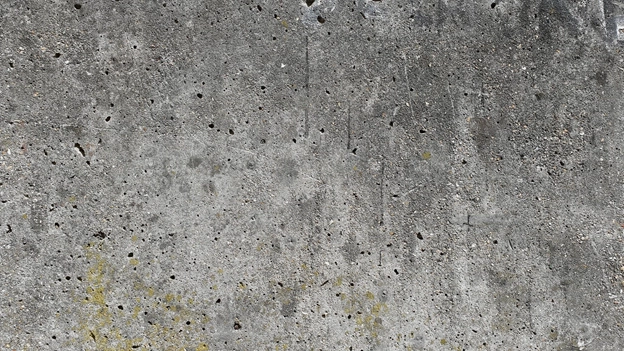
Investing time and resources into proper prep work pays off across the entire lifecycle of a facility. Clean, flat, and polished floors withstand heavy foot traffic, machinery movement, and daily wear without cracking or delaminating. Renovators who prioritize mechanical surface preparation deliver superior results that stand up to years of daily use.













Comments