>>
Technology>>
Artificial intelligence>>
What Replika, Pi, and Vesela a...What Replika, Pi, and Vesela are competing on (and it's not features)
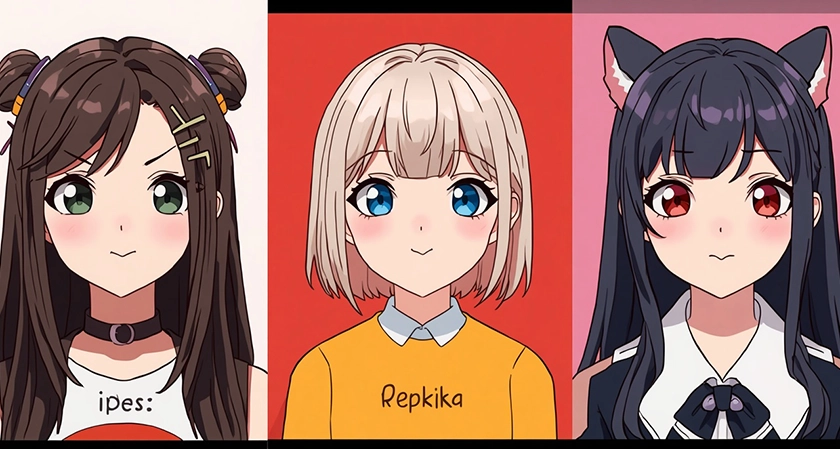
Ask someone under forty how their day went, and there's a decent chance a chatbot heard about it before their roommate did. People now vent to an AI before they vent to a person, ask an AI to help them decide whether to text an ex back, or rehearse a hard conversation on a companion app before having it with someone real. It's become such a normal part of digital life that most people never stop to ask what these apps are built to do.
Three of the best-known names in this space, Replika, Pi, and Vesela AI, which positions itself around building independence rather than daily reliance, look pretty similar on the surface. All three chat in a warm, human-sounding voice, remember what you told them last time, and cost nothing to start using. Spend a few weeks with each one, though, and a real difference shows up. It has almost nothing to do with features and everything to do with what each company considers a good outcome six months in.
Same voice, different goals
Most people compare AI companion apps the way they'd compare two note-taking apps, on price, on interface, and on how many characters you can customize. That's the wrong lens. These apps aren't really competing over who has the smoother chat window. They're competing over a much more personal question. Does this app want you to need it a little less over time, or does it want you to open it again tomorrow?
That distinction rarely shows up in a marketing page. It shows up in small design choices. Whether the app nudges you when you've gone quiet. Whether it steers you toward your own conclusion or hands you one. Whether a shrinking need for the app reads as a win or a warning sign on the company's internal dashboard.
What Replika gets right, and where it leans
Replika earned its reputation honestly. It was one of the first apps to make an AI companion feel like a continuous relationship rather than a one-off chat, and for a lot of lonely or socially anxious users, that continuity has been real, tangible help. The companion remembers birthdays, inside jokes, and old conversations, and it can be shaped into a friend, a partner, or something closer to a diary that talks back.
The tradeoff is that Replika's business depends on people coming back, so the app is built to reward exactly that. Users report real attachment to their companion, and that attachment can turn painful when an update changes how the AI responds or when a subscription lapses and features disappear. Replika isn't unusual for having this problem. Most engagement-funded apps run into it eventually. It's just more visible here because the relationship feels personal rather than transactional.
What Pi gets right, and where it leans
Pi, built by Inflection, took a different angle from the start. Instead of leaning fully into companionship, it split the difference between a helpful assistant and an emotionally attuned listener, mixing real-time information with a patient, low-pressure conversational style. People who want something between a search engine and a sympathetic ear tend to like Pi a lot, and its voice mode in particular has held up well against apps built specifically around emotional support.
Where Pi runs into the same tension as Replika is in its core design. It is built to be endlessly agreeable and endlessly available, which makes it pleasant to talk to but doesn't push a user toward much beyond the conversation itself. Pi will validate a decision, but it rarely challenges one. For a quick check in, that's fine. For someone trying to work through something that actually needs friction, it can start to feel like talking into a very comfortable void.
Where Vesela splits off
Vesela takes the opposite bet on what a good session should feel like. Rather than resolving a user's dilemma or simply making them feel heard, the app is built to draw out what the person already half knows, asking questions that help them arrive at their own answer instead of handing one over. The metric the team is chasing isn't how long someone stays in a conversation. It's whether the person needs the app less for the same kind of problem a few months later.
That's a strange thing for a consumer app to chase, because it runs against almost every incentive in the category. Investors like growth curves. App stores reward daily active users. A tool that works well enough to reduce its own use case will show a flatter engagement chart than one built to maximize check-ins, and that's a hard story to sell in a pitch deck even if it's a good outcome for the person using the product.
A quick way to tell which one you're using
You don't need to read a privacy policy or a design doc to figure out which camp an app falls into. Pay attention to what happens after you've been away for a few days. An engagement first app will usually greet you with something that reads like mild concern, a notification about how it missed you, or a companion that opens the conversation by asking why you disappeared. An app built around growing your own capability tends to treat the gap as neutral. It picks up where you left off without making the absence the topic.
The other tell is what happens when you bring it a real decision. Ask a companion app whether you should take a new job or end a relationship, and watch how it responds. Some will hand you a confident answer wrapped in supportive language, which feels good in the moment and can rob you of the process you needed to go through. Others will ask a few pointed questions and let you sit with the discomfort a little longer before you land somewhere. Neither response is inherently wrong, but they point at very different ideas about what the app is for.
Why this matters for anyone choosing one
None of this makes Replika or Pi bad products. Plenty of people are better off for having them, and there's nothing wrong with an app whose job is companionship rather than growth. But it's worth knowing, going in, which kind of tool you're picking up. If what you want is a warm, low-stakes presence that's there every day no matter what, Replika and Pi both do that well. If what you want is something that pushes you toward handling your own stuff more capably over time, even if that means the app becomes less central to your life, that's a different design goal entirely, and only a few teams are building for it right now.
The honest test isn't which app has the better personality. It's what your relationship with the app looks like a year from now, whether you're still opening it every day for the same reason you started or whether you need it less because something in you actually changed. That's a harder thing to market than a friendly avatar, but it's the question worth asking before you hand a piece of your daily life to any of them.













Comments