>>
Industry>>
Legal>>
Why Should You Take a Minor Ca...Why Should You Take a Minor Car Accident Seriously?
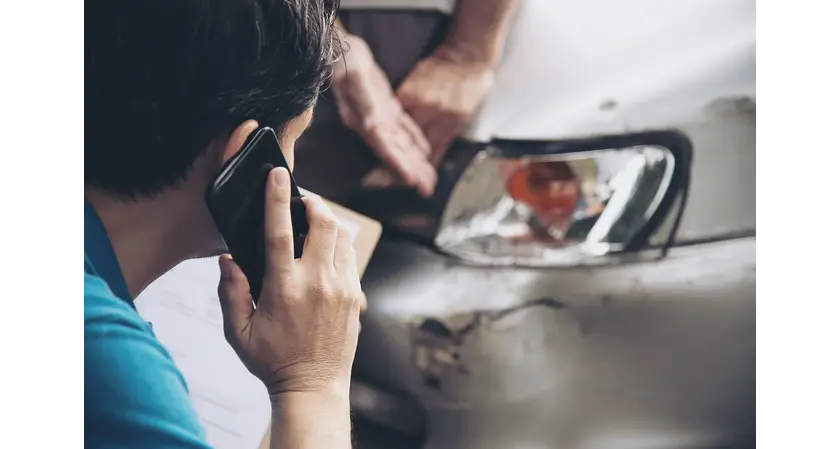
You should take a minor car accident seriously because even a low-impact crash can cause injuries, hidden vehicle damage, and insurance problems. Some injuries may not be noticeable right away because the stress of the accident can temporarily mask pain. Neck and back injuries, headaches, and soft-tissue problems may become clearer hours or even days later. A vehicle may also have damage that cannot be seen from the outside, especially to sensors, suspension parts, or other internal components.
Taking a few simple steps after the crash can help protect you later. Getting medical attention when needed, taking photos, exchanging information, and keeping records of expenses can provide useful evidence if problems develop. It is also important to understand your reporting and insurance responsibilities.
Knowing what to do after a minor car accident can help you avoid overlooking an injury or financial loss that may become more serious over time.
Injuries May Appear Later
A minor collision does not always mean minor injuries. The body can react to the sudden impact even when the vehicles have little visible damage. Neck pain, shoulder pain, back problems, headaches, and muscle injuries may develop after the accident.
Some people may feel normal immediately after a crash and notice symptoms later that evening or the next day. Seeking medical attention when symptoms appear can help identify injuries and create a record of treatment.
Hidden Vehicle Damage Can Be Expensive
Visible damage does not always show the full extent of a collision. A bumper may look slightly damaged while parts behind it have been affected. Modern vehicles may also have cameras, sensors, and electronic safety systems that require inspection after an impact.
Having the vehicle checked by a qualified professional can help identify problems before they become more expensive or affect the vehicle's safety.
Documentation Can Be Important
It is useful to document a minor accident just as you would a more serious crash. Take photographs of the vehicles, surrounding area, traffic signs, and visible damage. Exchange contact and insurance information with the other driver.
If witnesses were present, their contact details may also be helpful. Keeping this information can make it easier to establish what happened if questions arise later.
Reporting Requirements May Apply
Drivers may have legal responsibilities after an accident, even when the damage seems limited. The specific requirements depend on the state and circumstances of the crash.
For example, California Vehicle Code Section 20008 requires a written report to be made within 24 hours after certain accidents involving injury or death when the accident was not already reported by law enforcement. Understanding the reporting rules that apply to your accident can help you avoid additional problems.
Insurance Issues Can Develop
Insurance claims can become complicated when the other driver disputes fault or when damage is discovered after the initial inspection. An insurer may request photographs, repair estimates, medical records, or other information.
Keep copies of accident reports, medical bills, repair estimates, receipts, and other related documents. Avoid making assumptions about the extent of your injuries or vehicle damage before you have had an opportunity to have them properly evaluated.
Fault Still Matters
A minor crash can still involve a dispute about who was responsible. Drivers may remember the events differently, especially when an accident happens at an intersection, during a lane change, or in a parking lot.
Photos, witness statements, traffic camera footage, vehicle damage, and police reports may help establish how the accident happened. If another driver's negligence caused the collision, the fact that the crash was minor does not automatically prevent an injured person from seeking compensation.
Keep Records of Your Losses
A minor accident can result in more than repair costs. Medical treatment, transportation, missed work, medication, and other expenses can create financial losses.
Keeping receipts and other records can help show the actual impact of the accident. If an injury becomes more serious over time, these records may also help document the costs connected to the crash.
Do Not Ignore the Accident
A minor car accident may seem like something you can quickly put behind you, but problems can appear later. Paying attention to your health, having your vehicle inspected, documenting the accident, and keeping important records can help you deal with those problems.
Taking the situation seriously does not mean assuming that the accident will become a major issue. It simply means giving yourself the opportunity to identify injuries, damage, and financial losses before they become harder to address.
Key Takeaways
- Minor crashes can cause injuries that appear later.
- Hidden vehicle damage may not be visible immediately.
- Photos and accident records can help document what happened.
- Medical and expense records may become important if a claim develops.
- Insurance disputes can arise even after low-impact collisions.
- Understanding applicable accident reporting requirements can help prevent further problems.