>>
Industry>>
Fintech and Financial Services>>
Unlocking the Borderless Walle...FINTECH AND FINANCIAL SERVICES
Unlocking the Borderless Wallet: How Oscar Underwood is Engineering the Next Interoperability Revolution in Finance
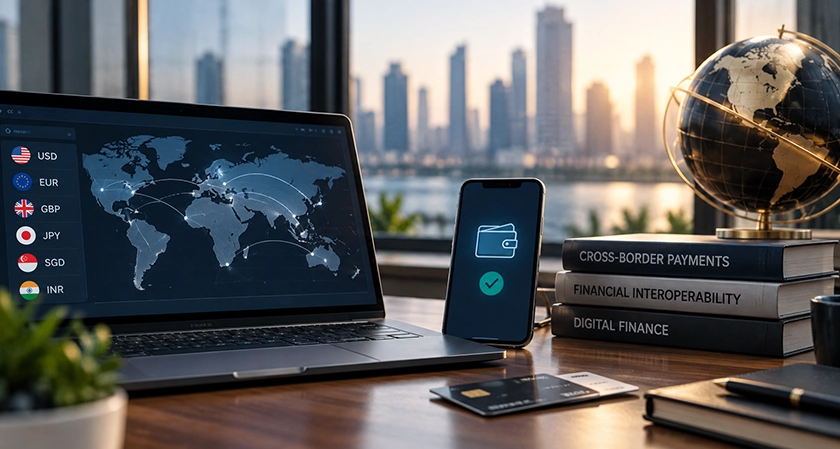
In Milan’s high-fashion district, a boutique owner taps a screen to process a credit card payment from a tourist. A few thousand miles away, in a bustling night market in Singapore, a street vendor scans a local phone app to accept digital cash for satay.
Both transactions happen in seconds, but they belong to entirely different financial universes.
For decades, international commerce relied on standard network rails—the invisible software infrastructure connecting banks, merchants, and plastic payment cards across borders. Today, however, consumer habits are shifting rapidly toward domestic digital wallets. Systems like India’s Unified Payments Interface and local apps across Asia handle billions of everyday transactions, yet most break down the moment a user crosses a border.
“We saw a fundamental paradox in modern payments,” says Oscar Underwood, a strategy leader focusing on transaction architecture. “A traveler could go anywhere in the world and use a physical plastic card, but the moment they tried to use their preferred local mobile wallet, they were locked out.”

The global mobile wallet market is projected to reach $784 billion by 2032, according to estimates by Fortune Business Insights. Yet as domestic payment apps flourish, cross-border friction has intensified. Travelers face rejected payments, while local merchants are forced to manage clutter—displaying overlapping QR code placards at checkout counters while navigating separate accounting streams.
The technical hurdle isn’t a lack of digital infrastructure; it is interoperability. Most regional payment apps operate as isolated loops, lacking direct connection to foreign banking networks. Establishing individual bilateral agreements between hundreds of regional apps and millions of global merchants would take decades.
To bridge the divide, payment strategists like Mr. Underwood are turning to dynamic tokenization. By converting local credentials, such as a bank account or phone number into secure, temporary digital tokens, emerging multi-rail networks allow domestic wallets to route over existing global processing infrastructure without revealing underlying financial data.
Recent European initiatives highlight the shift. A pilot between Italy’s domestic payment network, BANCOMAT, and global network providers allows local app users to make contactless payments abroad using established merchant terminals. Similar orchestration frameworks are enabling digital platforms, including Microsoft’s Xbox ecosystem, to accept hundreds of regional payment methods through unified compliance integrations.
For small merchants, the approach offers a practical workaround to system upgrades. A single point-of-sale scanner can accept international visitors and local buyers using the same underlying terminal network.
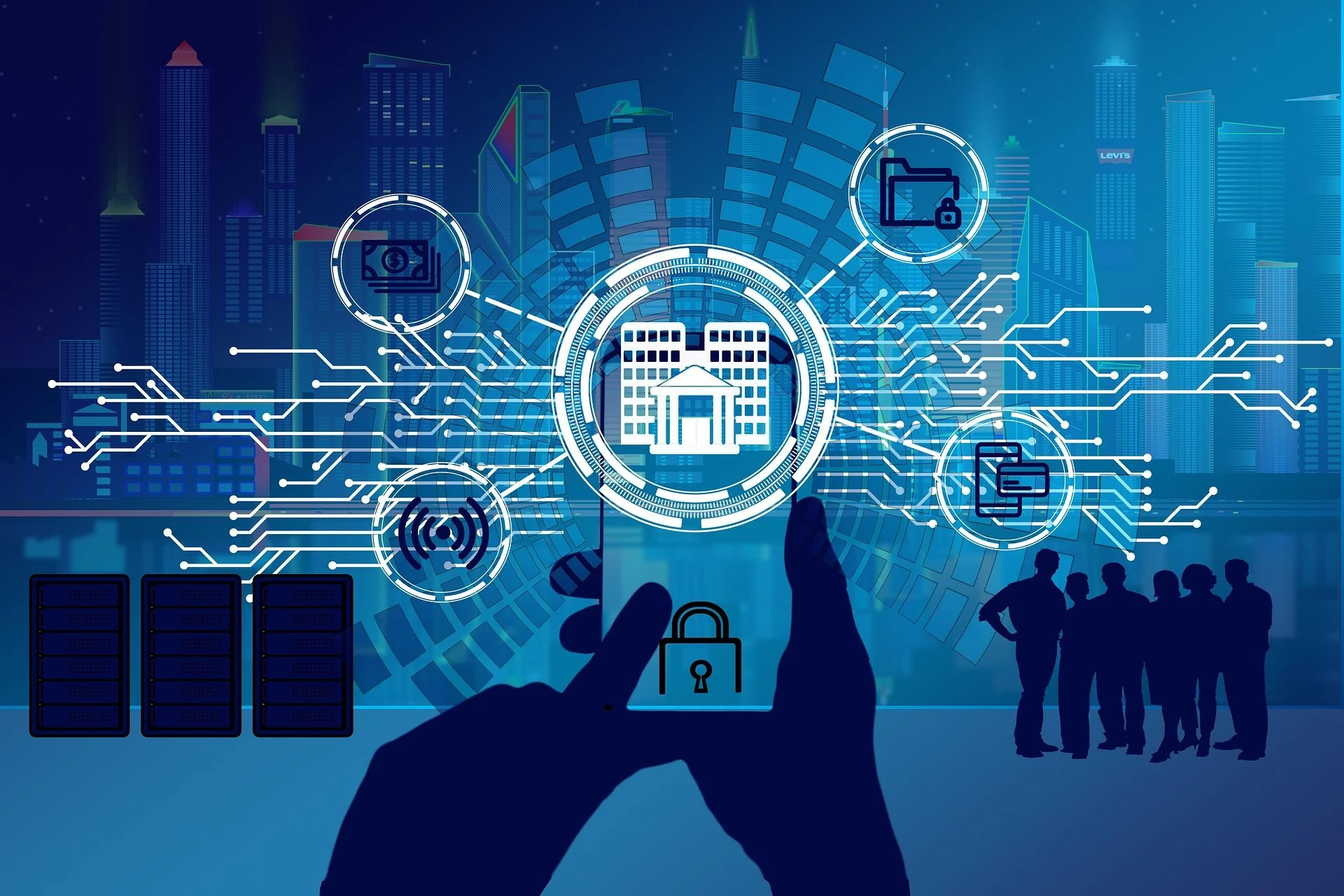
As payments move toward real-time peer-to-peer transfers and automated digital transactions, building an invisible, open-rail layer is becoming essential. The challenge for the financial sector is no longer about issuing cards or building isolated apps, but about ensuring that money moves as freely across borders as the people spending it.













Comments