>>
Industry>>
Sports>>
F1 Race at Malaysia's Sepang G...F1 Race at Malaysia's Sepang Generated Nearly US$232 Million: Sports Ministry
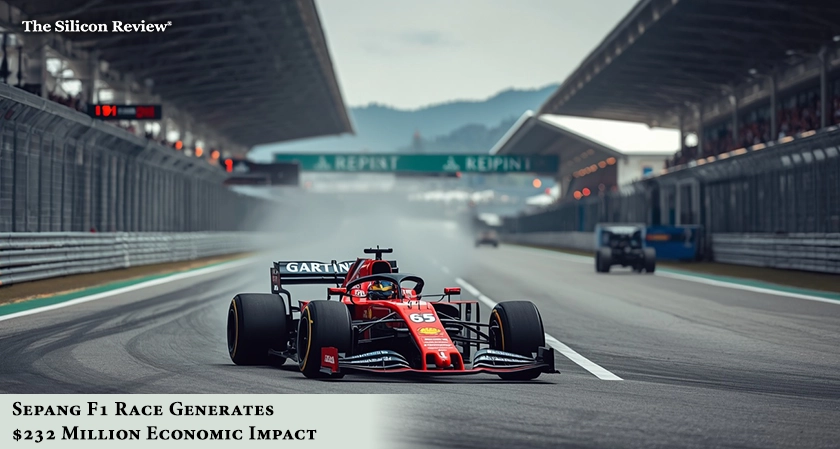
The return of Formula 1 to Malaysia's Sepang International Circuit generated nearly US$232 million in economic impact, according to the sports ministry, with over 150,000 spectators attending the race weekend.
News source: Google / https://www.channelnewsasia.com/
The return of Formula 1 to Malaysia's Sepang International Circuit generated nearly US$232 m (RM980 million) in economic impact, the sports ministry announced on Tuesday, October 14, 2026, confirming the race's value as a driver of sports tourism and national branding. The Malaysia Grand Prix returned to the F1 calendar in October 2026 after an eight-year absence, drawing more than 150,000 spectators over the three-day event. The race was the first F1 event at Sepang since 2017 and marked Malaysia's return to hosting the pinnacle of motorsport.
"The economic impact exceeded our initial projections. The race demonstrated Malaysia's capability to host world-class sporting events and reinforced our position as a sports tourism destination," the sports ministry said in a statement.
Economic Breakdown
The ministry's figures include direct spending on accommodation, food and beverage, transport, and retail, as well as indirect and induced economic activity generated by the event. The race attracted a significant number of international visitors, with ticket sales recorded in over 50 countries. The Sepang F1 race also generated an estimated RM120 million in media exposure for Malaysia, according to the ministry, as the race was broadcast to more than 180 territories worldwide.
Sports Tourism Strategy
The Malaysian government has been actively pursuing sports tourism as an economic driver, hosting events including the Malaysian Open golf tournament, the Malaysia Masters badminton championship, and various motorsport events. The return of F1 to Sepang represents the centrepiece of that strategy.
"Sports tourism creates jobs, attracts foreign exchange, and showcases Malaysia to the world. The Sepang F1 race is proof that this strategy works," said a tourism ministry official.
What's Next
Malaysia has a multi-year agreement to host the F1 race, with the next edition scheduled for October 2027. The government is evaluating infrastructure upgrades at Sepang, including expanded grandstand capacity and improved transport links.
Here is the question The Silicon Review raises. The Sepang F1 race generated nearly $232 million in economic impact, validating Malaysia's investment in sports tourism. When a country spends tens of millions to host a global sporting event, what does it need to do to ensure the benefits outweigh the costs not just for one weekend, but for the long term?
FAQ:
Q: How much economic impact did the Sepang F1 race generate?
A: The race generated nearly US$232 million (RM980 million) in economic impact, according to Malaysia's sports ministry.
Q: How many spectators attended the Sepang F1 race?
A: More than 150,000 spectators attended the three-day event.
Q: When did F1 return to Sepang?
A: F1 returned to Sepang in October 2026 after an eight-year absence. The previous race was in 2017.
Q: How many countries was the Sepang F1 race broadcast to?
A: The race was broadcast to more than 180 territories worldwide.
Q: When is the next F1 race at Sepang?
A: The next edition is scheduled for October 2027 under a multi-year agreement.













Comments