>>
Industry>>
Healthcare>>
Signs a Dental Problem May Nee...Signs a Dental Problem May Need Immediate Attention

Dental discomfort often starts small before turning into a major disruption. Knowing when a minor toothache crosses the line into urgent territory helps protect your oral health.
Sudden changes inside your mouth require quick action to prevent severe complications. Paying attention to key red flags keeps small issues from escalating.
Sharp Pain and Sudden Sensitivity
Pain in your teeth can strike without warning during regular daily activities. Finding an emergency dentist near newport, sc, for example, can provide quick relief when discomfort becomes unbearable. Quick care helps address hidden damage before things get worse.
Sharp reactions to hot or cold foods might seem harmless at first. Industry data shows about 1 in 8 Americans deal with tooth sensitivity regularly. Persistent sharp sensations often signal worn enamel or exposed nerves needing treatment.
Ignoring sharp stabs of discomfort gives underlying issues room to grow. Simple fillings or minor treatments can resolve problems if caught early. Waiting too long often leads to longer recovery times.
Unnoticed Cracks and Structural Damage
Cracks in your teeth sometimes stay hidden from view. Biting down on hard foods can cause microscopic fractures that worsen during chewing. Paying attention to pressure-related discomfort helps spot hidden fractures.
A damaged tooth requires proper evaluation to prevent further decay. Reports highlight that a cracked tooth left unattended may develop into a deeper fracture, necessitating more extensive restoration work like a root canal or extraction. Timely intervention saves as much natural tooth structure as possible.
Watching for specific physical signs helps identify structural damage:
- Sudden pain when releasing a bite
- Visible lines across the tooth surface
- Rough edges felt with your tongue
Swelling and Deep Infection Risks
Swelling along your gums or jawline indicates a serious reaction beneath the surface. Fluid accumulation around a tooth root signals that bacteria have taken hold. Immediate drainage and antibiotics are often required to control the spread.
Infections deep within the mouth can progress rapidly without care. Clinical insights warn that an untreated abscess can spread to nearby tissues, jawbone, or other areas of the body. Urgent dental intervention neutralizes dangerous bacterial threats early.
Fever and facial swelling often accompany severe dental infections. These symptoms mean your body is struggling to manage the inflammation alone. Seeking professional care remains the safest step toward recovery.
Persistent Bleeding and Loose Teeth
Bleeding gums during routine brushing might happen occasionally. Continued bleeding after physical impact or heavy pressure points to structural trauma. Soft tissue damage requires proper suturing or cleansing to heal properly.
Adult teeth should never feel loose or unstable in your jaw. Trauma from sports or accidental falls can detach critical ligament fibers holding the tooth. Fast stabilization gives surrounding tissues a chance to reattach.
Unstable teeth need immediate splinting to prevent permanent loss. Avoiding chewing on the affected side protects the fragile socket area. Professional evaluation determines if the tooth root remains healthy.
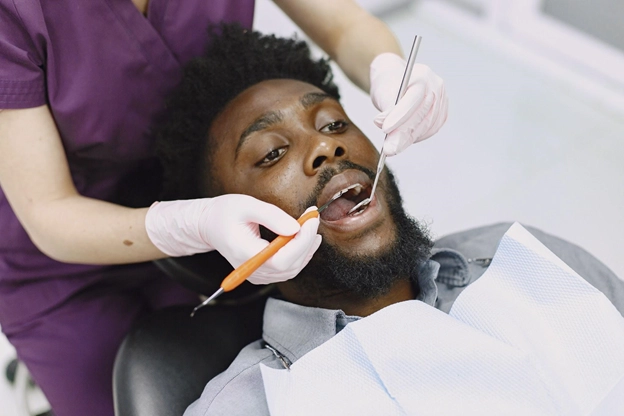
Taking early action on tooth trouble prevents painful complications and high treatment costs. Recognizing dangerous signs empowers you to make informed decisions for your mouth.
Protecting your smile depends on reacting swiftly when warning signs appear. Maintaining vigilance over oral changes keeps your teeth strong and healthy for years.













Comments