>>
Other>>
Politics>>
US Treasury Pushes Global Part...US Treasury Pushes Global Partners to Rename AI as 'Super Intelligence'
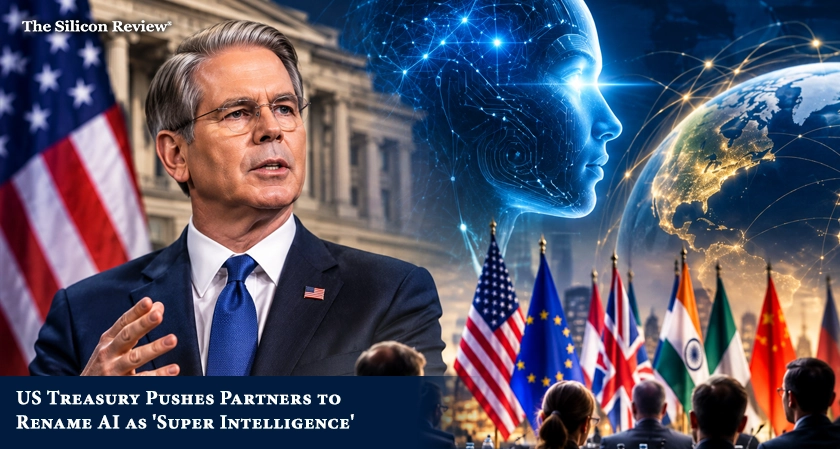
The US Treasury has urged global partners to adopt "super intelligence" as the official term for artificial intelligence, following President Trump's declaration that the current name is inaccurate.
News source: Google / https://www.channelnewsasia.com/
The US Treasury has begun formally urging global partners to adopt "super intelligence" as the official term for artificial intelligence, according to people familiar with the matter, following President Donald Trump's declaration last month that the current name is inaccurate. The push was communicated to finance ministries and central banks in allied countries through diplomatic channels, with Treasury officials requesting that the term be used in official communications, policy documents, and public statements.
"We are encouraging our partners to use the terminology that the President has determined is most accurate and appropriate. This is about clarity, not politics," a Treasury spokesperson said.
Why the Term Matters
The renaming is not merely semantic. Language shapes policy. How governments define a technology determines how they regulate it, fund it, and talk about it to their citizens. By pushing allies to adopt "super intelligence," the administration is attempting to frame the global conversation in its own terms. Critics argue the term is misleading. "Super intelligence" typically refers to an AI system that surpasses human intelligence across all domains, a theoretical future technology, not the systems currently deployed. Using the term to describe today's AI, they warn, could create unrealistic expectations and complicate regulatory efforts.
"Super intelligence has a specific technical meaning. Using it to describe existing AI systems is like calling a go-kart a Formula 1 car. It confuses the public and makes serious discussion harder," a technology policy analyst said.
Mixed International Response
Early reactions from global partners have been mixed. Some countries, including close allies in the Indo-Pacific, have reportedly agreed to review their terminology. Others have pushed back, noting that "artificial intelligence" is the standard term used by international bodies including the OECD, UNESCO, and the United Nations. One European finance ministry official, speaking on condition of anonymity, said: "We will use the terminology that is scientifically accurate, not the terminology that is politically convenient."
The Pattern Continues
The renaming push follows Trump's broader pattern of rebranding. He has renamed Lake Ontario to "Lake America," the Gulf of Mexico to the "Gulf of America," and suggested the Strait of Hormuz be called "Trump Strait." The AI renaming was announced at a White House event on September 22. The Treasury's involvement marks an escalation. What began as a rhetorical preference has now become an instrument of diplomatic engagement, with the administration leveraging its financial relationships to promote the term.
What's Next?
It remains unclear how forcefully the Treasury will push the terminology or whether any consequences will follow for partners that decline. The administration has not announced formal consequences for non-compliance, but officials have indicated the issue will be raised in future bilateral discussions.
Here is the question The Silicon Review push raises. The US Treasury is asking global partners to abandon the standard scientific term for artificial intelligence in favour of a politically chosen alternative. When a superpower uses its financial leverage to control the language of technology policy, does it strengthen its influence or simply reveal how little it trusts the science?
FAQ:
Q: What is the US Treasury asking global partner to do?
A: The Treasury is urging allied finance ministries and central banks to adopt "super intelligence" as the official term for artificial intelligence in official communications and policy documents.
Q: Why does the Trump administration want to rename AI?
A: President Trump said "artificial" sounds negative and misleading, and that "super intelligence" is a "much better and more accurate name."
Q: Why is the term "super intelligence" controversial?
A: The term has a specific technical meaning an AI system surpassing human intelligence across all domains. Using it to describe current AI systems could create unrealistic expectations.
Q: Which countries have agreed to the renaming?
A: Some Indo-Pacific allies have reportedly agreed to review their terminology. Others, including European partners, have pushed back.
Q: What is the standard term used internationally?
A: "Artificial intelligence" is the standard term used by international bodies including the OECD, UNESCO, and the United Nations.
Q: What consequences will partners face for not adopting the term?
A: No formal consequences have been announced, but officials have indicated the issue will be raised in future bilateral discussions.













Comments