Innovative Brands of the Year 2026
Restoring the Human Side of Medicine: seeCOLe Is Reimagining Clinical Data at the Bedside
The Silicon Review
Healthcare has spent the past two decades digitizing medicine. Electronic health records have transformed how hospitals capture and store information, yet many clinicians argue that the digital revolution came with an unintended cost. Screens began to dominate clinical spaces, often standing between doctors and the patients they serve. Carl Anthony Osborne noticed this shift long before founding seeCOLe. After years working in clinical informatics and EHR optimization, he witnessed a paradox: systems designed to improve care were slowly pulling clinicians away from the bedside. Instead of engaging directly with patients, doctors and nurses were increasingly focused on navigating dashboards, toggling between tabs, and searching through layers of electronic documentation.
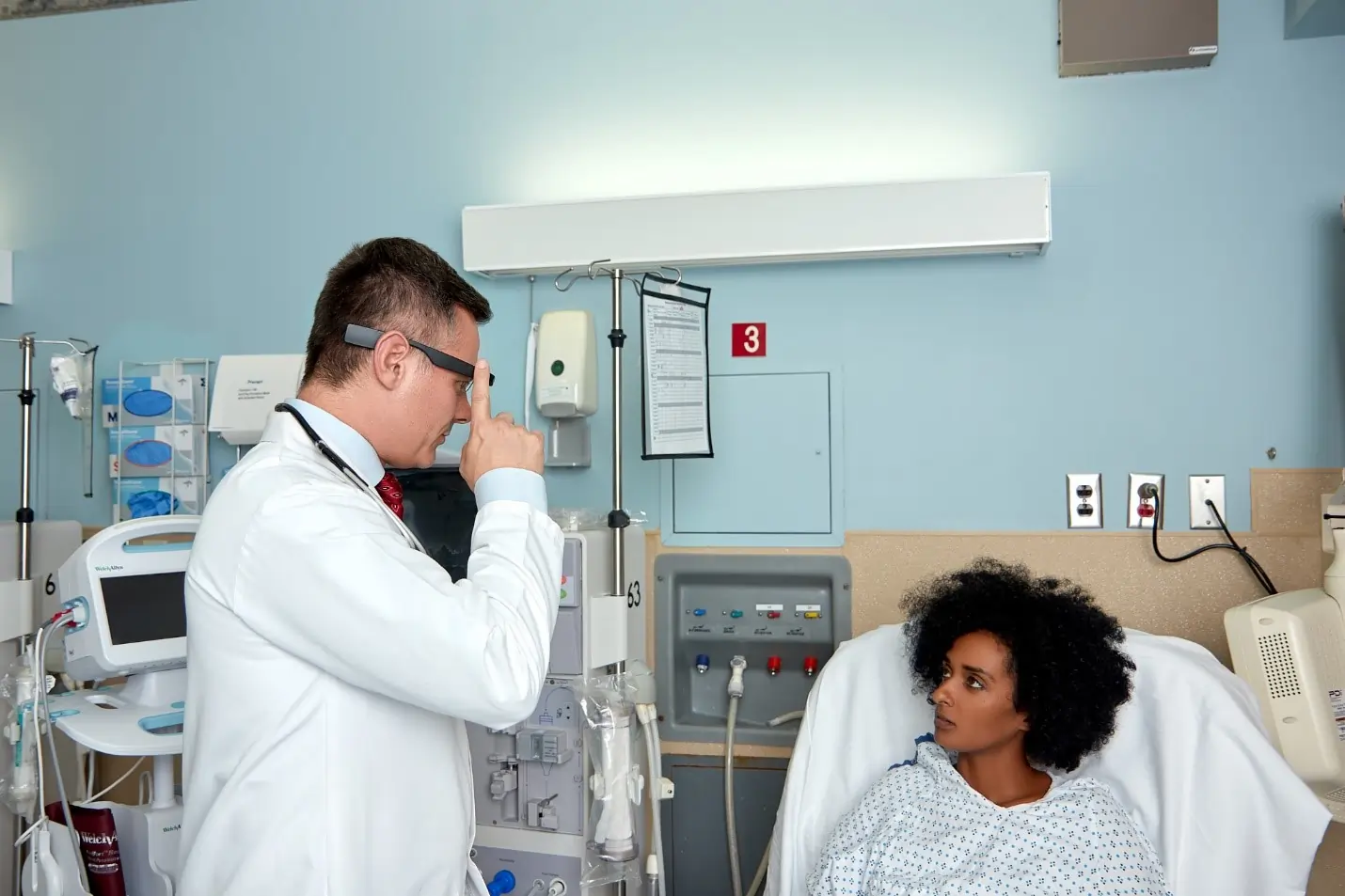
That observation became the foundation for seeCOLe, short for See Clinical Data On Lens. Founded in 2019, the company set out with a straightforward mission. Move critical health information into the clinician’s natural line of sight so that technology enhances patient interaction rather than interrupting it. The result is a platform that combines augmented reality, voice interaction, and interoperable health data. The goal is not to replace electronic health records but to reshape how clinicians experience them. In Osborne’s view, digital healthcare should restore presence in the exam room, not erode it.
From Screen-Centered Care to Patient-Centered Interaction
The idea behind seeCOLe emerged from a simple realization. Modern medicine had become screen centered instead of patient centered. Clinicians spend a substantial portion of their workday interacting with computers. Studies across health systems have shown physicians often devote nearly as much time to electronic documentation as they do to patient care. The constant switching between the patient and the computer introduces cognitive friction that slows clinical workflows and weakens interpersonal connection. Osborne believed the solution was not better screens but fewer screens. Instead of forcing clinicians to look down at keyboards or across the room at monitors, clinical data could appear directly within their field of vision.
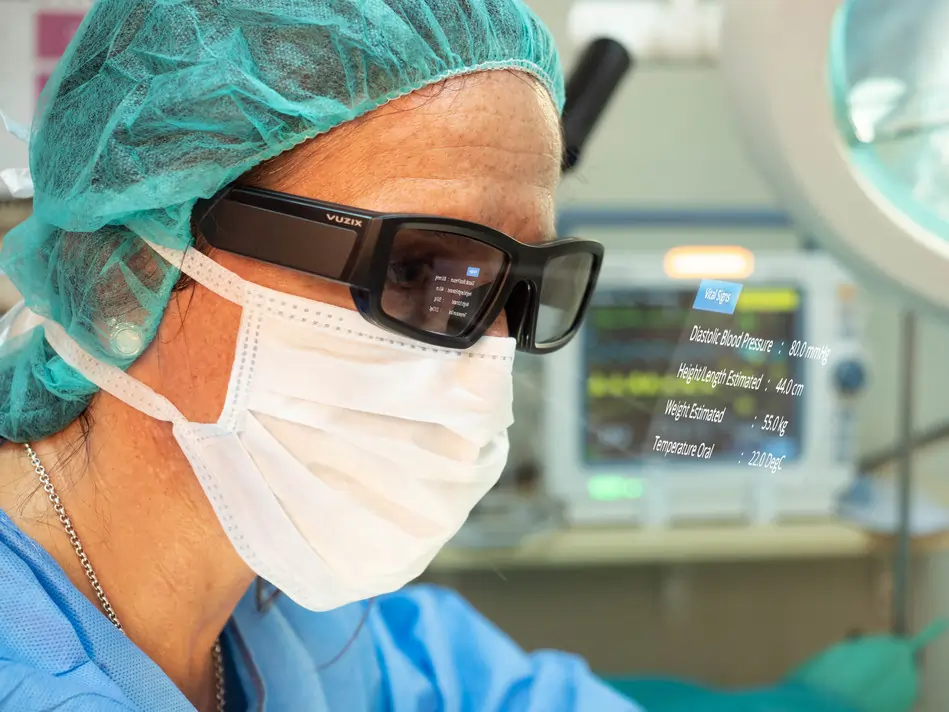
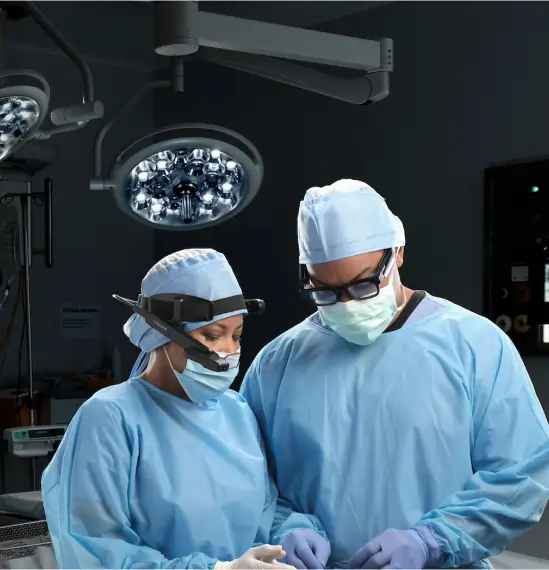
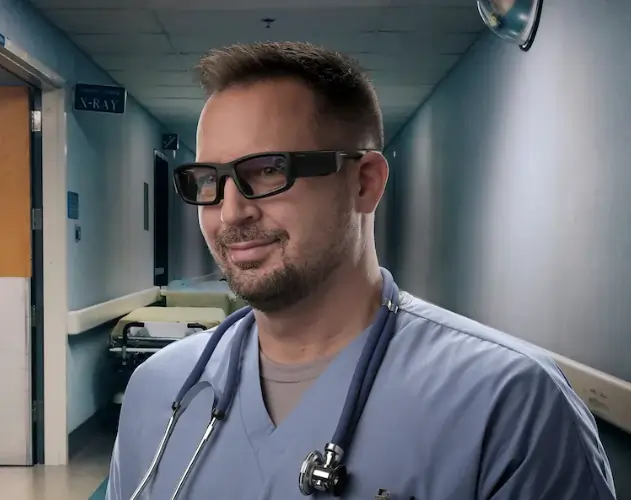
This “hands free, eyes up” philosophy became the design principle for seeCOLe’s platform. Using augmented reality, clinicians can view vital signs, lab results, medication lists, and clinical summaries without turning away from the patient. Voice commands allow them to navigate information, request updates, or trigger documentation without touching a keyboard. The shift may seem subtle, yet its implications are significant. In high pressure environments such as emergency departments or intensive care units, even small workflow improvements can translate into meaningful gains in speed, safety, and attention. More importantly, it changes the nature of the interaction between doctor and patient. Eye contact returns. Conversations feel less interrupted. And clinicians regain a sense of presence that technology had quietly eroded.
The Technology Behind the Lens
At its core, seeCOLe is a hands free augmented reality platform that integrates directly with existing electronic health record ecosystems. Rather than building a parallel data infrastructure, the company designed its technology to sit on top of established hospital systems.
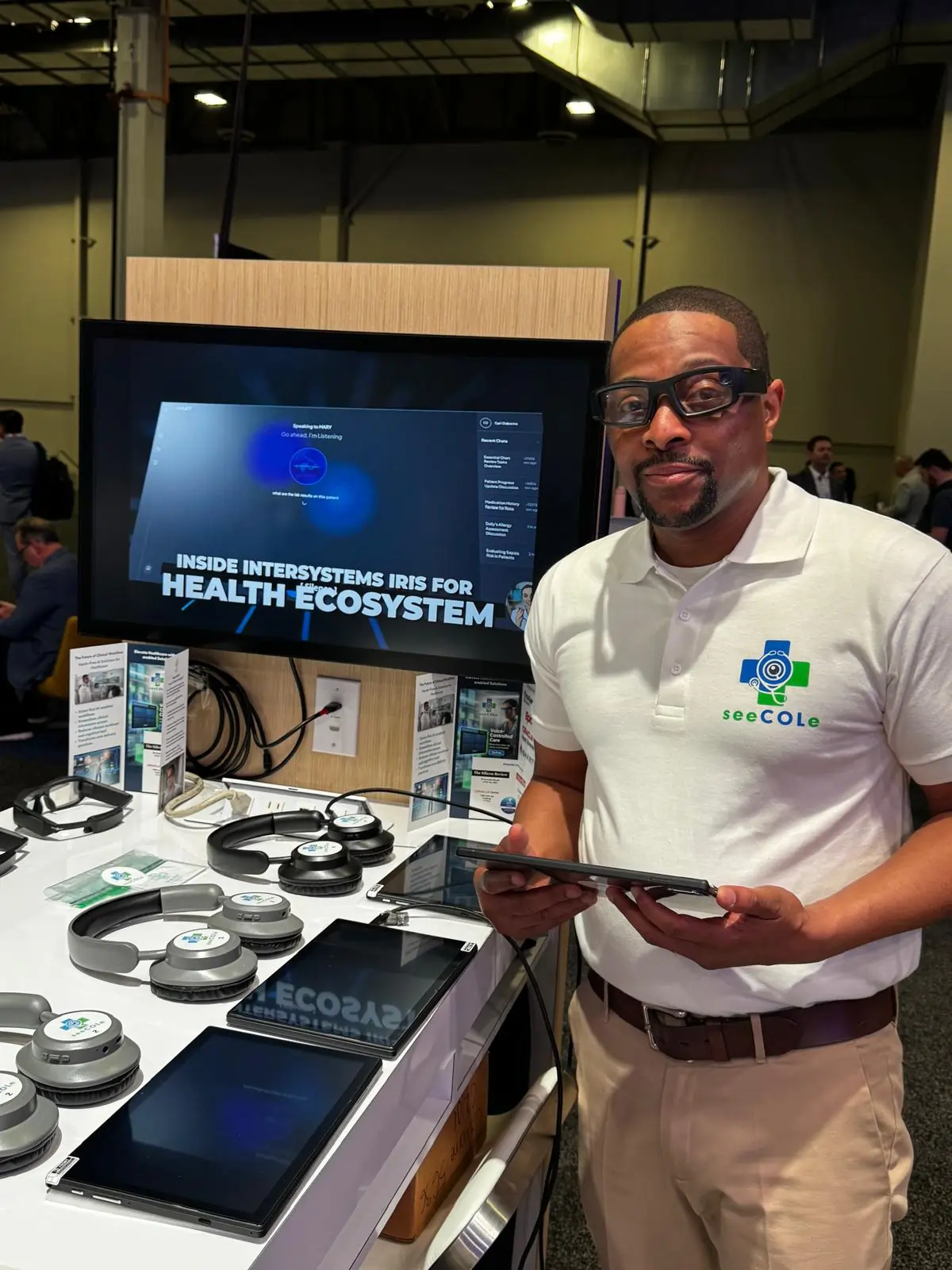
The platform relies on SMART on FHIR interoperability standards, allowing it to securely retrieve structured clinical data from major EHR environments. This compatibility enables integration with leading healthcare platforms, including Epic, Oracle Health’s Cerner ecosystem, and enterprise interoperability frameworks such as InterSystems IRIS for Health. Through these integrations, seeCOLe can present real time clinical information in a wearable augmented reality interface. Instead of searching through multiple EHR screens, clinicians can instantly access patient summaries, lab results, medication histories, and problem lists through voice commands or contextual prompts.
The system’s architecture was intentionally designed as a bridge rather than a replacement. Hospitals have invested billions of dollars in electronic health infrastructure over the past decade. Replacing those systems is neither practical nor necessary. Instead, seeCOLe extends their value by transforming how clinicians interact with the data those systems already hold. The approach allows health systems to experiment with new workflows without disrupting the backbone of their digital infrastructure.
Introducing MARY: AI at the Point of Care
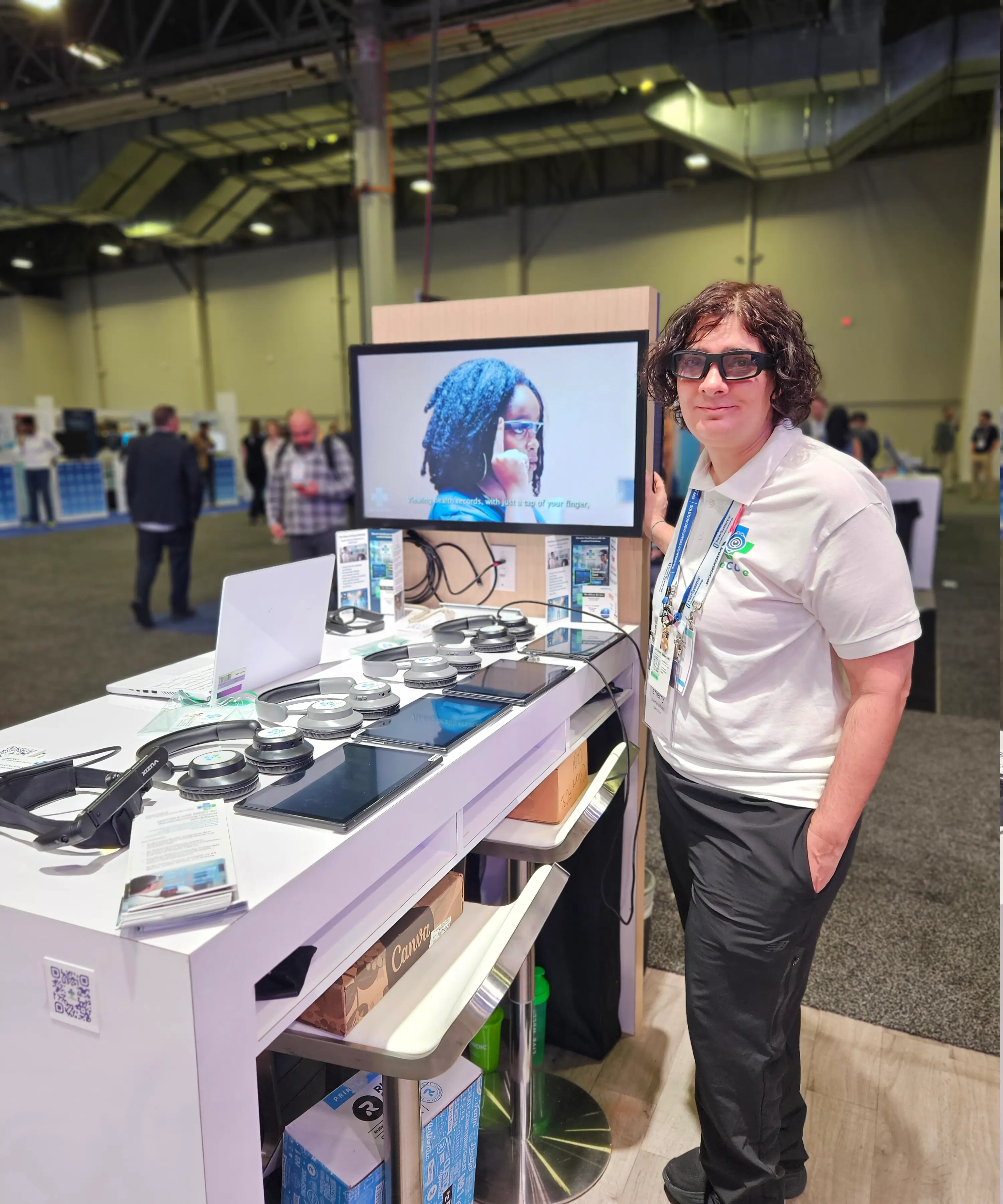
As the platform evolved, Osborne and his team realized that visibility alone was not enough. Clinicians needed not just access to data but intelligent interpretation of it. That insight led to the development of MARY, the Medical Assistant and Research sYstem. MARY expands seeCOLe’s capabilities by adding artificial intelligence powered clinical decision support and ambient documentation features directly within the augmented reality environment. Healthcare professionals often face a flood of fragmented information. Clinical guidelines, patient histories, diagnostic imaging, lab results, and research evidence all compete for attention. Meanwhile, alert fatigue from automated systems can make it difficult to identify truly meaningful signals.
MARY addresses this challenge by combining structured clinical data retrieval with AI analysis. Using FHIR based data streams, the system grounds its insights in validated patient information rather than unstructured guesswork.
In practice, that means clinicians can receive context aware guidance during patient encounters. MARY can surface relevant clinical insights, summarize patient histories, generate structured documentation, and highlight safety focused alerts that require immediate attention. The result is not simply an augmented reality display but a collaborative clinical assistant operating in real time. Rather than replacing clinical judgment, the system supports it with timely, data informed context.
Measuring the Impact of Eyes-Up Medicine
The philosophy behind seeCOLe is often described in human terms, yet its impact can be measured in operational metrics. One of the most immediate benefits appears in workflow efficiency. Clinicians spend less time navigating EHR menus and switching between applications. Access to labs, vitals, medications, and problem lists becomes faster and more intuitive.
Another measurable outcome is cognitive load reduction. By presenting relevant information in context, the platform reduces the need for clinicians to mentally track multiple data sources. This approach lowers the burden on working memory and helps reduce the alert fatigue that has become common in digital healthcare environments.
Yet Osborne believes the most meaningful metric may be the hardest to quantify. Human connection.
Patient facing time increases when clinicians are not tethered to screens. Conversations feel more natural. Engagement improves. And patients often report a stronger sense of trust when clinicians appear attentive rather than distracted by computer interfaces. In healthcare systems increasingly focused on patient satisfaction and outcomes, those softer metrics carry real weight. Bedside presence, once seen as an intangible quality, is now recognized as a contributor to safety, adherence, and overall care quality.
Designed for Complex Clinical Environments
Hospitals are among the most complex technology environments in any industry. Emergency departments, operating rooms, isolation wards, and telemedicine platforms each demand different workflows and interaction models. seeCOLe’s architecture was designed with that complexity in mind. Because the system relies on secure APIs rather than hard coded processes, it can adapt to multiple clinical settings.
In emergency departments, clinicians can access rapid triage views that surface critical patient information immediately. In isolation environments where infection control is essential, hands free interaction minimizes contact with shared surfaces. Operating rooms benefit from the ability to access data without breaking sterile protocols.
The platform also extends into telemedicine environments through mobile and desktop interfaces, ensuring clinicians can access the same contextual insights whether they are in a hospital room or connecting remotely with patients. Voice interaction models further enhance adaptability. Acoustic tuning allows the system to function in noisy emergency rooms, quiet patient wards, or controlled surgical settings. Device flexibility ensures clinicians can choose the interface best suited to each environment. For large health systems seeking scalable digital tools, that adaptability is crucial.
Navigating the Challenge of Interoperability
Building a system that connects seamlessly with legacy healthcare infrastructure is no small feat. Electronic health records often contain decades of accumulated data, inconsistent formats, and evolving standards. The seeCOLe team confronted several technical challenges while integrating with these systems. Managing large language model context windows while retrieving structured FHIR data required careful engineering. Ensuring strict compliance with resource validation standards added another layer of complexity. Legacy data structures also presented hurdles. Many older systems contain incomplete or inconsistently formatted information that must be normalized before it can be used in modern AI workflows.
Security was another critical priority. The platform uses token based session management and enterprise governance protocols to ensure patient data remains protected throughout every interaction.
Collaborations with enterprise interoperability platforms such as InterSystems IRIS for Health have helped strengthen these integrations. By aligning with established healthcare data ecosystems, seeCOLe ensures its platform operates within the governance frameworks hospitals already trust.
Balancing Innovation With Privacy and Education
Healthcare innovation rarely exists in isolation from ethical responsibility. Introducing augmented reality and AI into clinical environments raises important questions about privacy, consent, and oversight. seeCOLe addresses these concerns through a layered governance model. Role based access controls ensure that clinicians only see the data relevant to their responsibilities. Patient consent workflows provide transparency around how information is accessed and used.
Teaching hospitals, which often rely on clinical observation and case review for education, can configure the platform to support training environments without compromising patient privacy. De identification options and configurable recording policies allow institutions to maintain compliance with HIPAA and internal governance standards. Importantly, educational features are designed as opt in capabilities rather than passive recording systems. This ensures that innovation supports learning while respecting the boundaries of patient confidentiality.
A Convergence of AR, Voice, and AI
The healthcare technology landscape is currently experiencing a surge of interest in artificial intelligence, voice interfaces, and immersive computing. Many companies are exploring these tools, yet few are integrating them directly into clinical workflows.
seeCOLe sits at the intersection of all three.
Its augmented reality interface delivers contextual information where clinicians naturally look. Voice commands enable interaction without disrupting workflow. AI powered systems such as MARY interpret data and provide guidance grounded in structured clinical information. Yet the company’s philosophy remains disciplined. Osborne emphasizes that intelligence should reduce noise rather than create it. AI features are designed to support human decision making rather than replace it, and clinicians remain firmly in control of every interaction.
This human centered approach positions the platform as a clinical augmentation tool rather than an automated decision engine.
Looking Ahead
Though still early in its enterprise adoption journey, seeCOLe is actively engaged in pilot discussions and collaboration initiatives with healthcare systems. Partnerships aligned with FHIR enabled ecosystems such as Epic, Oracle Health, and InterSystems are helping bring the platform into real world hospital environments.
Future development plans include deeper enterprise integrations, predictive analytics capabilities within MARY, and expanded pilot programs across health systems. Voice first workflows will continue to evolve as clinicians provide feedback on how the technology fits into daily practice.
For Osborne, the broader vision extends beyond any single product feature. Healthcare technology should ultimately strengthen the relationship between clinicians and patients. The promise of seeCOLe lies in restoring something medicine risks losing in the digital age: attention.
By placing clinical intelligence directly in the clinician’s line of sight, the company hopes to shift healthcare back toward the human connection that has always defined great care. In a world filled with screens, that simple shift may prove transformative.