>>
Industry>>
EdTech>>
Empowering Inclusion: Creating...Empowering Inclusion: Creating Effective Special Education Apps
The Importance of Inclusive Education
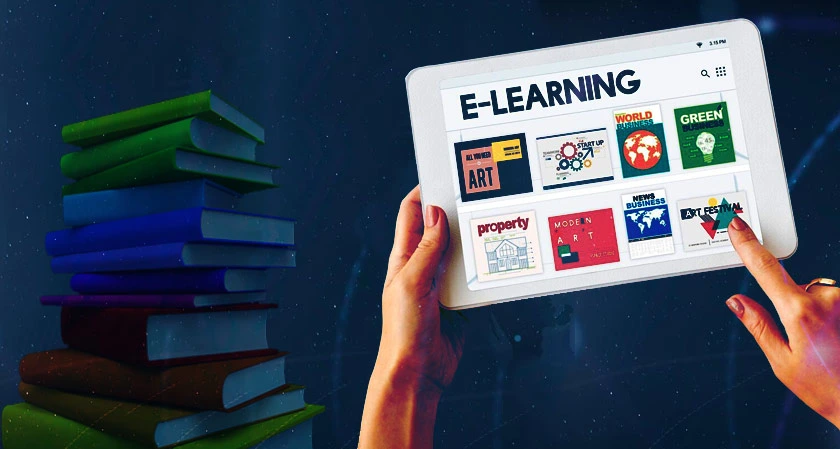
Inclusive education is a fundamental right for every student, regardless of their abilities or disabilities. It is an approach that aims to provide equal opportunities for all learners, promoting their participation and engagement in the educational process. Inclusive education not only benefits students with special needs but also fosters a sense of empathy and understanding among their peers.
However, traditional educational practices often fail to meet the diverse learning needs of special education students. That's where special education apps come into play. These apps are designed to provide personalized learning experiences, catering to the specific needs of students with disabilities. By using technology as a tool for inclusion, we can create an educational environment that empowers every learner. Students who need more personalised help can type in "write my essay for me", which will help tailor the learning content to individual needs.
Understanding Accessibility
Accessibility is a crucial aspect of special education apps. It refers to the design and development of apps that can be used by individuals with disabilities. Accessibility features include options for text-to-speech, closed captions, adjustable font sizes, and color contrast adjustments.
When selecting special education apps, it is essential to consider their accessibility features. Geniusee, as a software development company, ensures that students with visual impairments, hearing impairments, or motor disabilities can fully engage with the app's features and content. By making apps accessible to all, we can foster a more inclusive and equitable learning environment.
Key Features to Look for in Special Education Apps
When choosing special education apps, there are several key features to consider. These features can enhance the learning experience for students with disabilities and promote their engagement and participation. Here are some essential features to look for:
- Adaptive Learning: Special education apps should have the ability to adapt to each student's individual needs and progress. They should provide personalized feedback and adjust the difficulty level of the content based on the student's performance.
- Multimodal Learning: Students with special needs often benefit from multiple modes of learning, such as visual, auditory, and kinesthetic. Apps that incorporate various learning styles can help students better understand and retain information.
- Communication Tools: Special education apps should facilitate communication between students, teachers, and parents. Features like chat functions, video conferencing, and shared whiteboards can promote collaboration and support students' social-emotional development.
By considering these key features, educators and parents can select special education apps that maximize learning opportunities for students with disabilities.
Inclusive EdTech Applications Best Practices
To create effective special education apps, developers should adhere to best practices that promote inclusivity and accessibility. Here are some guidelines to consider:
- Universal Design: Use a universal design approach, ensuring that the app can be used by individuals with a wide range of abilities and disabilities. Consider accessibility features from the initial stages of development.
- User-Centered Design: Involve special education students, teachers, and parents in the design process. Gather feedback and insights to understand their needs and preferences, which can inform the app's features and functionalities.
- Collaboration with Professionals: Collaborate with special education professionals, such as teachers, therapists, and psychologists, to ensure that the app aligns with educational goals and addresses specific learning needs.
- Continuous Improvement: Regularly update and improve the app based on user feedback and emerging research in the field of special education. Embrace a growth mindset and strive for constant innovation to provide the best possible learning experiences for students.
Top Apps for Special Needs: Case Studies
In recent years, numerous special education apps have emerged, offering innovative solutions to support students with disabilities. Let's explore some case studies of top apps that have made a significant impact in the field of special education:
Be My Eyes
This smartphone app operates on a simple principle: it allows visually impaired or blind individuals to use their phone's camera to see things they are unable to perceive on their own. By directing the camera to a specific location, users can connect with sighted volunteers who will provide real-time descriptions of their surroundings.
Tecla Device
The brilliant minds behind the Tecla Device pondered over a crucial question: how can individuals with disabilities utilize their familiar devices such as phones and tablets? Their innovative solution designed specifically for individuals with limited upper-body mobility. With this device, a person who can only press one button can now effortlessly access their smartphone or tablet. The Tecla Device seamlessly translates the single button press into precise movements on the screen, granting users newfound freedom and independence.
Finger Reader
The Finger Reader is a groundbreaking tool that empowers blind and visually impaired individuals with the ability to read traditional books. This extraordinary device takes the form of a ring-like apparatus equipped with a miniature video camera. By running their finger over the text, users activate the device, which then converts the written words into audible speech.
Key Differences Between Android and iOS
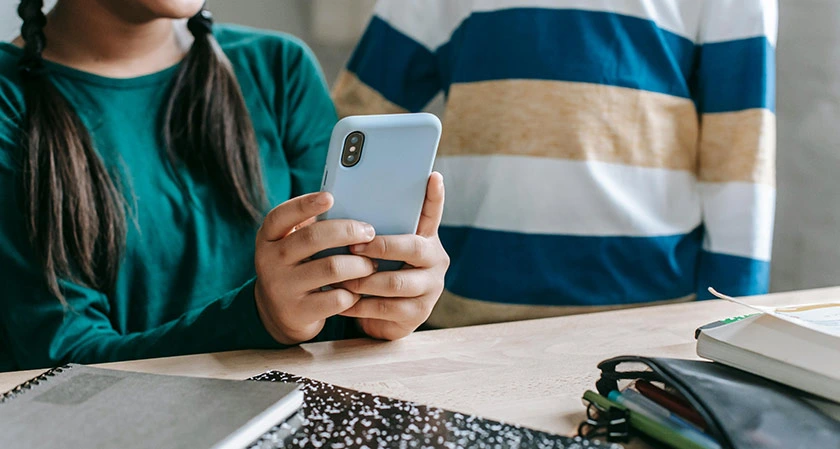
When developing special education apps, it is essential to consider the key differences between Android and iOS platforms. Here are some factors to keep in mind:
- Market Share: Android has a larger market share globally, making it more accessible to a broader range of users. iOS, on the other hand, is prevalent in developed countries and among certain user demographics.
- Device Fragmentation: Android devices come in various screen sizes and configurations, which can pose challenges for app developers. iOS devices, in contrast, have more consistent hardware and software specifications.
- Development Environment: Android development typically requires more testing and optimization due to the platform's fragmentation. iOS development, on the other hand, benefits from a more unified and streamlined development environment.

Conclusion: The Future of Special Education Apps
Special education apps have the potential to transform the educational landscape for students with disabilities. As technology continues to advance, we can expect special education apps to become even more sophisticated and effective. Artificial intelligence, virtual reality, and augmented reality are just a few examples of technologies that can enhance the learning experiences of students with special needs.
The future of special education apps lies in their ability to continuously adapt, innovate, and embrace the principles of inclusive design. By working together as educators, developers, and advocates, we can create a more equitable and inclusive educational system that empowers every learner.