>>
Industry>>
Healthcare>>
How Does Effective Health Admi...How Does Effective Health Administration Improve Discharge Processes?
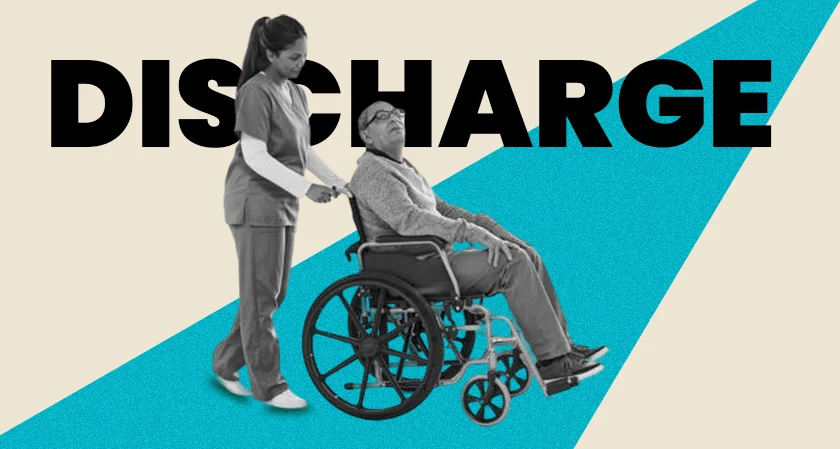
The discharge process involves the transition from hospital care to home or another care setting, and it can significantly impact a patient’s recovery and overall health outcomes. A well-organized discharge process ensures that patients leave the hospital with clear instructions, necessary medications, and follow-up plans, reducing the chances of readmission or complications.
Health administration plays a vital role in shaping the effectiveness of discharge processes. Administrators are responsible for creating and maintaining systems that support smooth transitions from hospital to home. When health administrators focus on improving discharge processes, they help ensure that patients receive the care they need even after they leave the hospital. By understanding these elements, healthcare facilities can enhance their discharge procedures and ultimately improve patient care.
Here’s how effective health administration can improve discharge processes:
Streamlining Communication
Clear communication between departments is essential for a successful discharge process. Discharge involves multiple teams, including:
- Doctors
- Nurses
- Pharmacists
- Social Workers, etc.
Each team has specific responsibilities, and any miscommunication can lead to delays, confusion, or even mistakes in patient care.
Health administrators play a crucial role in ensuring that communication between departments is seamless. By implementing clear communication protocols and regular meetings, administrators can ensure that everyone involved in the discharge process is on the same page. When departments communicate effectively, it reduces the likelihood of errors and ensures that patients receive the right care at the right time.
Learning & Training for Staff
Continuous learning and training are essential for healthcare staff involved in the discharge process. Health administrators can encourage staff members to pursue degrees like a bachelors in healthcare administration online to facilitate learning and training for their teams. This degree equips the staff members with the knowledge and skills needed to manage healthcare facilities, improve patient care processes, and lead healthcare teams effectively.
Training programs can focus on improving communication skills, teaching new software tools, or updating staff on changes in discharge protocols. These efforts contribute to a more efficient and effective discharge process, as staff members are better prepared to manage their responsibilities.
Implementing Discharge Protocols
Standardized discharge protocols are essential for ensuring consistency and quality in patient care. These protocols outline the steps that need to be followed during the discharge process, including patient assessments, medication reviews, and follow-up appointments. Health administrators are responsible for developing and enforcing these protocols.
By creating a standardized approach, administrators can ensure that all patients receive the same level of care during their discharge. This helps to reduce variability in the process and ensures that no critical steps are missed. Such consistency helps prevent errors and enhances patient safety.
Enhancing Patient Awareness
Patient education is a key component of a successful discharge process. When patients are well-informed about their care plan, they are more likely to follow through with necessary treatments and avoid complications after leaving the hospital. Health administrators can play a significant role in improving patient education by ensuring that educational materials are clear, accessible, and tailored to the needs of each patient.
Effective patient education can lead to better health outcomes by reducing the risk of readmission and improving patient satisfaction. When patients leave the hospital with a clear understanding of what they need to do to stay healthy, they are more likely to recover successfully.
Technology for Efficient Planning
Technology has become an integral part of modern healthcare, and it can greatly enhance the discharge process. Tools like Electronic Health Records (EHRs) allow healthcare providers to track patient information, plan discharges, and coordinate care more effectively. Health administrators are responsible for implementing and maintaining these technological tools.
By ensuring that staff are trained to use EHRs and other digital systems, administrators can streamline the discharge process, making it more efficient and less prone to errors. This helps to ensure continuity of care and reduces the risk of complications or readmission.
Coordinating with Post-Discharge Services
Successful discharge planning doesn’t end when the patient leaves the hospital. Ongoing support is often necessary to ensure a smooth transition to home or another care setting. This might include arranging for home care services, physical therapy, or follow-up appointments with specialists. By establishing strong relationships with community providers and ensuring that patients have access to the resources they need, administrators can help support a successful recovery.
Effective coordination with post-discharge services ensures that patients continue to receive the care they need, reducing the risk of complications and improving overall health outcomes. It also helps to prevent readmission, which is beneficial for both the patient and the healthcare facility.
Monitoring & Evaluating Procedures
Monitoring and evaluating discharge procedures are crucial for maintaining high standards of care. By regularly assessing the effectiveness of the discharge process, health administrators can identify areas for improvement and implement necessary changes. If a high number of patients are being readmitted, it may indicate that the discharge procedures need to be reevaluated and adjusted.
Regular evaluation also allows health administrators to stay proactive, addressing potential issues before they become significant problems. By continuously refining the discharge process, healthcare facilities can ensure that they provide the best possible care to their patients, leading to better outcomes and increased patient satisfaction.
Addressing Social Determinants
Social determinants of health, such as income, education, and access to transportation, can significantly impact a patient’s ability to adhere to their discharge plan. Health administrators need to consider these factors when planning a patient’s discharge to ensure that they receive the necessary support.
For example, a patient who lacks reliable transportation may struggle to attend follow-up appointments. In such cases, health administrators can work to provide transportation services or arrange for telehealth visits. Similarly, patients with limited financial resources may need assistance with obtaining medications or medical supplies.
Effective health administration is crucial for improving discharge processes in healthcare facilities. A well-organized discharge process not only ensures that patients leave the hospital with the knowledge and resources they need but also reduces the risk of readmission and improves overall patient satisfaction. Investing in effective health administration is essential for creating a discharge process that truly supports patients in their recovery journey. By prioritizing these efforts, healthcare facilities can achieve better outcomes for patients, leading to a healthier, more satisfied community.