>>
Industry>>
Oil and gas>>
Gas Leak Shuts Down LA Highway...Gas Leak Shuts Down LA Highway, 14,000 Shelters in Place
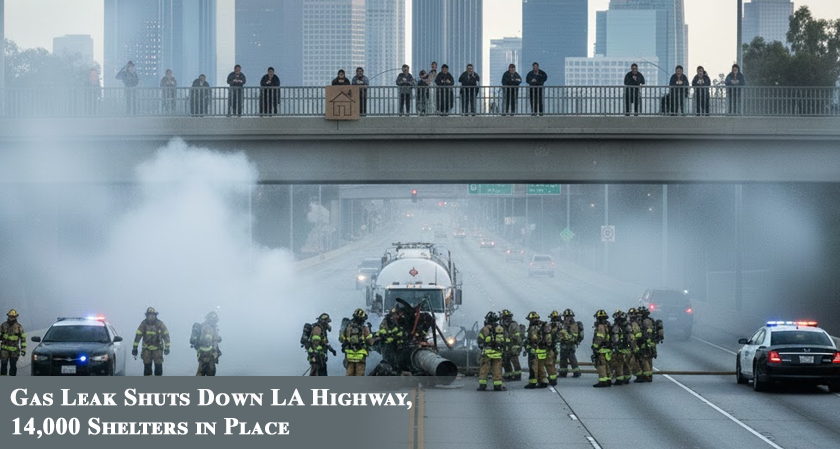
A major gas leak outside Los Angeles forces a highway shutdown and a shelter-in-place order for over 14,000 nearby residents for hours.
A significant gas leak from a pipeline outside Los Angeles has forced the shutdown of a major highway and triggered a shelter-in-place order for more than 14,000 residents for several hours. The incident, involving a rupture in a high-pressure transmission line, prompted a large-scale emergency response from hazardous materials teams and law enforcement to contain the leak and mitigate the risk of fire or explosion. This event highlights the persistent public safety risks associated with the nation's aging energy infrastructure running through populated areas.
This major infrastructure failure and its disruptive scale contrast with the routine, unnoticed operation of these critical systems. The incident represents an acute public safety crisis requiring coordinated emergency management. Successfully containing the leak and lifting the shelter order without injury is the critical response deliverable. This matters because it exposes the vulnerability of communities to industrial accidents from buried infrastructure, raising urgent questions about pipeline integrity, maintenance practices, and emergency preparedness for utility companies and local governments.
For the pipeline operator, state regulators, local emergency services, and affected residents, the implications are serious and immediate. This leak necessitates a root cause investigation by authorities like the Pipeline and Hazardous Materials Safety Administration (PHMSA) and a review of inspection records for the affected line. The forecast is for regulatory scrutiny, potential fines, and calls for accelerated pipeline replacement programs. Decision-makers must communicate transparently with the public about safety measures and restoration timelines. The next imperative is for the operator to conduct a comprehensive system integrity review and for the community to update its emergency response plans, ensuring stronger resilience against future critical infrastructure failures.