>>
Industry>>
Banking and insurance>>
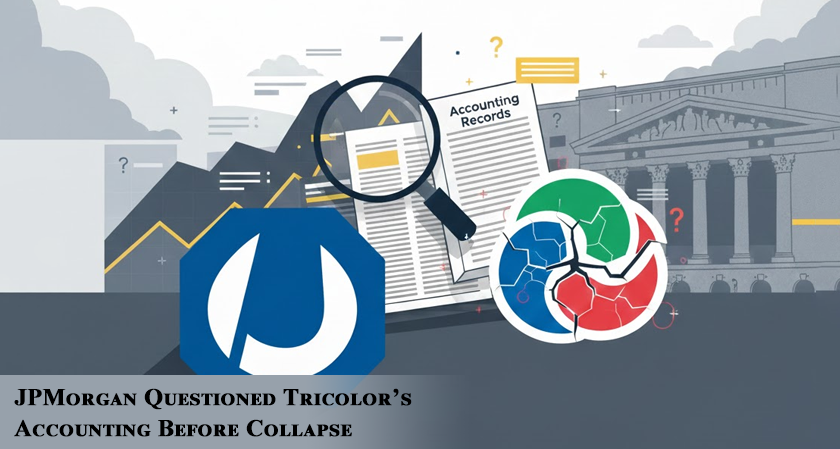
JPMorgan Questioned Tricolor's...JPMorgan Questioned Tricolor's Accounting Before Collapse
The Silicon Review
22 December, 2025
JPMorgan Chase reportedly questioned used-car lender Tricolor's accounting a full year before the company's financial collapse.
A year before the financial collapse of used-car lender Tricolor, JPMorgan Chase had internally raised significant concerns about the company's accounting practices. The banking giant, which was both a lender and an advisor to Tricolor, questioned the firm's financial reporting and asset valuations, according to new reports. This revelation places intense scrutiny on the role of major banks in performing due diligence and the potential early warning signs that were reportedly identified but did not prevent the eventual implosion, which impacted thousands of subprime borrowers.
This internal questioning contrast with the external facade of stability Tricolor maintained until its sudden failure. JPMorgan's reported concerns highlight a critical gap between private risk assessment and public market disclosure. Identifying these red flags in accounting is the crucial, yet apparently insufficient, deliverable in the risk management process. This matters because it raises questions about the effectiveness of bank oversight and the protocols for escalating concerns about a client's financial health, especially one serving a financially vulnerable customer base.
For bank regulators, auditors, investors, and consumer advocates, the implications are serious. This development necessitates a review of interbank communication channels and regulatory reporting requirements when a major institution identifies potential problems at a client. The forecast is for increased regulatory inquiries into the timelines and actions taken by all of Tricolor's financial partners. Decision-makers at other banks must now re-examine their own client monitoring frameworks. The next imperative for regulators is to determine if this case points to a systemic weakness in how financial institutions manage conflicts between their advisory roles, lending relationships, and fiduciary duties to the market.
MOST VIEWED ARTICLES
RECOMMENDED NEWS






Artificial Intelligence News
Startups News


_2025-11-17_06-38-14.webp)