>>
Industry>>
Banking and insurance>>
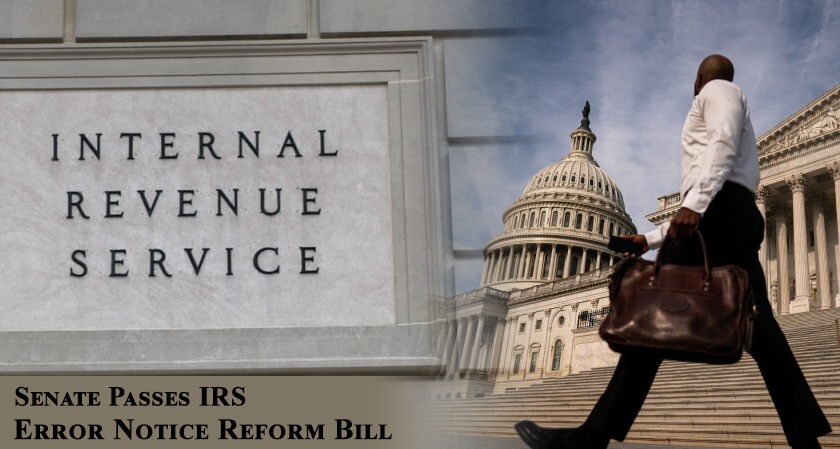
Senate Passes IRS Error Notice...Senate Passes IRS Error Notice Reform Bill
The Silicon Review
01 December, 2025
Author:
The Silicon Review Team
The Senate unanimously passes the IRS MATH Act, mandating clear error notices to boost taxpayer rights and compliance clarity.
The U.S. Senate has unanimously approved the IRS Math and Taxpayer Help (MATH) Act, a landmark reform fundamentally reshaping how the Internal Revenue Service communicates with taxpayers about errors. The legislation mandates that any notice of a math or clerical mistake must provide a clear description, specify the exact line item affected, and include an itemized computation showing the adjustment's full impact. This move represents a significant victory for taxpayer rights, directly addressing decades of criticism over opaque and confusing correspondence from the agency that often left filers uncertain of their actual liability or refund status.
This legislative mandate for clarity starkly contrasts with the IRS's historical approach, which often placed the burden of interpretation squarely on the taxpayer or their advisor. The MATH act effectively shifts the compliance burden from deciphering vague notices to reviewing specific, actionable data. This matters because it empowers both individuals and the professional advisors who assist them such as accountants and financial planners with the concrete information needed to efficiently verify or contest an adjustment, reducing costly guesswork and appeals.
For executives in banking, insurance, and corporate finance, this reform necessitates an operational review. Firms that provide tax preparation services or assist clients with IRS correspondence must now update their internal compliance workflows and client communication protocols to leverage this new transparency. The forward-looking insight is clear: this law could significantly reduce minor disputes and administrative friction, but its success hinges entirely on regulatory implementation. The real impact will be measured by a reduction in appeals and a rise in first-contact resolutions, potentially freeing up resources for both the IRS and the financial sector to focus on more complex compliance matters.